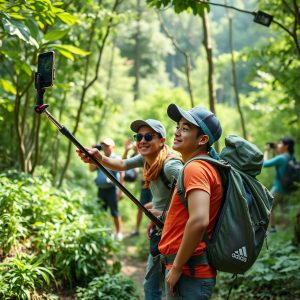
The Whispering Trails of Revival: How Virtual Reality and Local Storytelling Are Crafting the Future of Regenerative Adventure Tourism
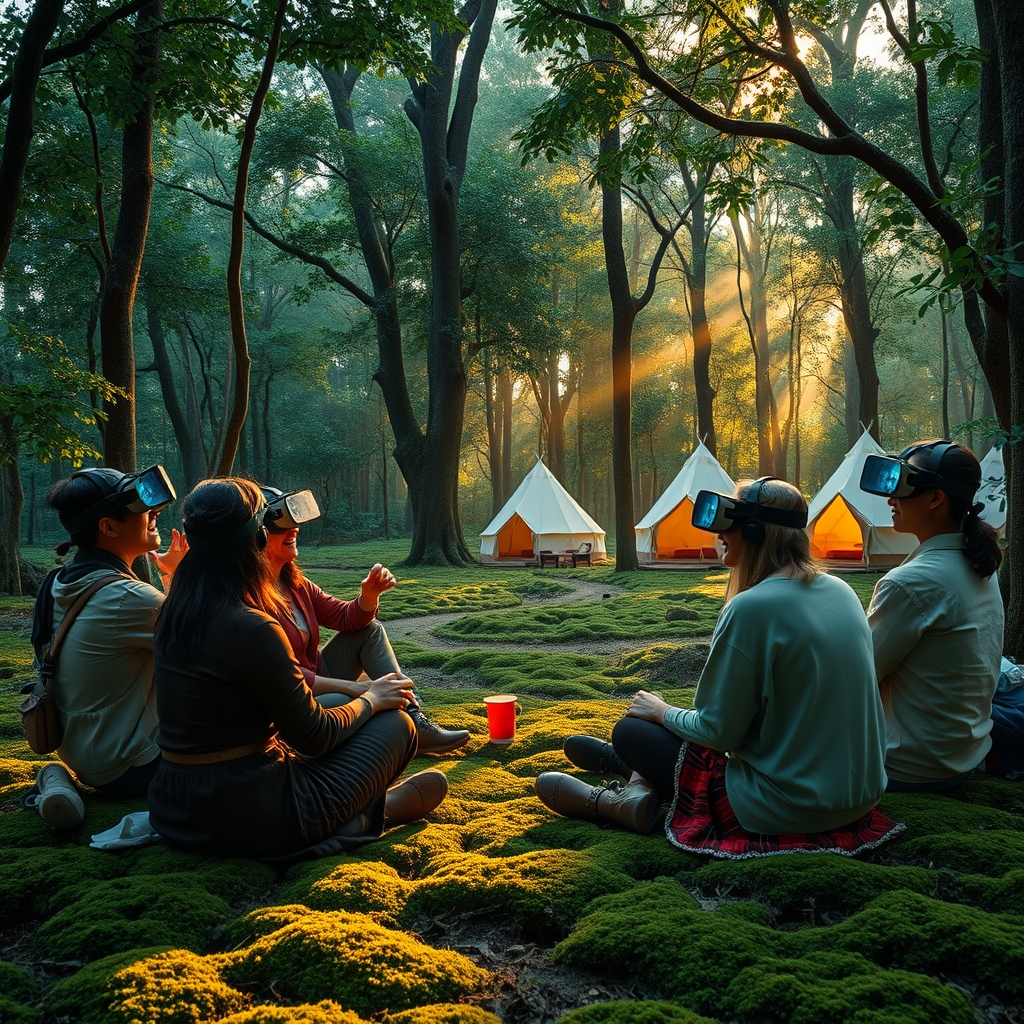
Imagine standing at the edge of a dense, emerald forest, the air thick with the scent of damp earth and pine. The wind carries whispers of ancient tales—stories of the land, its people, and the secrets it holds. Now, imagine experiencing this not just in person, but through the lens of virtual reality, where the boundaries between the physical and digital worlds blur, and every journey becomes a regenerative act of discovery. This is the future of adventure tourism: a harmonious blend of technology, storytelling, and sustainability that doesn’t just visit a place but revives it.
The Rise of Regenerative Adventure Tourism
Regenerative travel is more than a trend; it’s a movement. Unlike sustainable tourism, which aims to minimize harm, regenerative tourism seeks to leave a place better than it was found. It’s about healing the land, empowering communities, and creating experiences that restore both the traveler and the destination. Adventure tourism, with its focus on exploration and connection to nature, is the perfect canvas for this philosophy. Whether it’s trekking through remote mountains, kayaking along untouched coastlines, or camping under a sky ablaze with stars, adventure travel invites us to engage deeply with the world around us.
But how do we ensure these experiences are truly regenerative? The answer lies in the stories we tell and the technology we use to tell them. Local storytelling is the heartbeat of regenerative tourism. It’s the voice of the land, the people, and the culture, guiding travelers to understand not just the beauty of a place, but its struggles, its resilience, and its potential. When travelers hear these stories, they become more than visitors—they become stewards of the land, invested in its future.
The Role of Virtual Reality in Crafting Immersive Journeys
Virtual reality (VR) is often seen as a tool for escapism, but in the context of regenerative adventure tourism, it becomes a bridge between the digital and the real. VR can transport travelers to places they might never physically visit, allowing them to experience the magic of a hidden gem destination before they even book their trip. But more than that, VR can be used to tell the stories of these places in a way that is deeply immersive and emotionally resonant.
For example, imagine a VR experience that takes you on a virtual trek through the Amazon rainforest, where you not only see the lush canopy and hear the calls of exotic birds but also learn about the indigenous communities fighting to protect their home. You hear their stories, see their struggles, and understand the impact of deforestation. By the time you step into the real rainforest, you’re not just a tourist—you’re an advocate, ready to support the local economy and conservation efforts in meaningful ways.
VR can also be used to recreate lost or endangered landscapes, offering travelers a glimpse into what a place once was and what it could be again. This kind of storytelling fosters a sense of urgency and responsibility, making travelers more likely to engage in regenerative practices during their visit.
Local Storytelling: The Soul of Regenerative Travel
No technology can replace the power of a story told by someone who has lived it. Local storytellers—whether they are guides, elders, artisans, or farmers—bring a destination to life in a way that guidebooks and apps never could. Their narratives are rooted in place, history, and culture, offering travelers a deeper understanding of the land and its people.
In regenerative adventure tourism, local storytelling takes on an even greater significance. It’s not just about sharing tales of the past; it’s about envisioning the future. Storytellers can highlight the challenges a community faces—whether it’s climate change, economic instability, or cultural erosion—and show how tourism can be a force for good. For instance, a storyteller in a coastal village might share how overfishing has depleted local waters and how eco-tourism initiatives are helping to restore marine life. Travelers who hear these stories are more likely to support sustainable fishing practices, participate in conservation efforts, or even donate to local causes.
Moreover, storytelling fosters a sense of connection. When travelers hear the personal stories of the people they meet, they form emotional bonds that transcend the transactional nature of traditional tourism. These connections inspire travelers to return, to recommend the destination to others, and to become lifelong ambassadors for the place and its people.
Blending Technology and Tradition for a Regenerative Future
The fusion of VR and local storytelling might seem like an unlikely pairing, but together, they create a powerful tool for regenerative adventure tourism. VR can amplify the reach of local stories, making them accessible to a global audience. Meanwhile, local storytellers can ground VR experiences in authenticity, ensuring that the technology serves the people and the land, rather than the other way around.
Consider a VR experience that takes travelers on a virtual tour of a glacier in Patagonia, narrated by a local scientist who has spent decades studying the effects of climate change. The VR experience could show the glacier as it was 50 years ago, as it is today, and as it might be in 50 years if current trends continue. The scientist’s story would not only educate travelers but also inspire them to take action, whether by reducing their carbon footprint, supporting climate initiatives, or choosing to visit destinations that prioritize sustainability.
This blend of technology and tradition also opens up new possibilities for accessibility. Not everyone can afford to travel to remote destinations, but VR can bring these places to them, fostering a global community of travelers who care about the planet and its people. For those who can visit in person, VR can enhance their experience, deepening their connection to the place and its stories.
The Path Forward: Crafting Experiences That Heal
The future of adventure tourism lies in experiences that do more than entertain—they heal. By combining the immersive power of VR with the authenticity of local storytelling, we can create journeys that regenerate both the traveler and the destination. These experiences invite us to see the world not as a collection of sights to be checked off a list, but as a living, breathing tapestry of stories, struggles, and triumphs.
As travelers, we have a choice: we can continue to consume destinations, leaving behind a trail of environmental and cultural degradation, or we can choose to engage with the world in a way that leaves it richer, more vibrant, and more resilient. The tools are at our fingertips—virtual reality to expand our horizons, local storytelling to ground us in reality, and regenerative practices to ensure that our adventures give back as much as they take. The question is, will we rise to the challenge and become not just travelers, but stewards of the planet?
The trails are whispering, and they’re calling us to listen, to learn, and to leave the world a little better than we found it. The choice is ours, and the time to act is now.