
The Whispering Trails of Connection: How Slow Travel and Local Storytelling Are Crafting the Soul of Regenerative Wellness Tourism
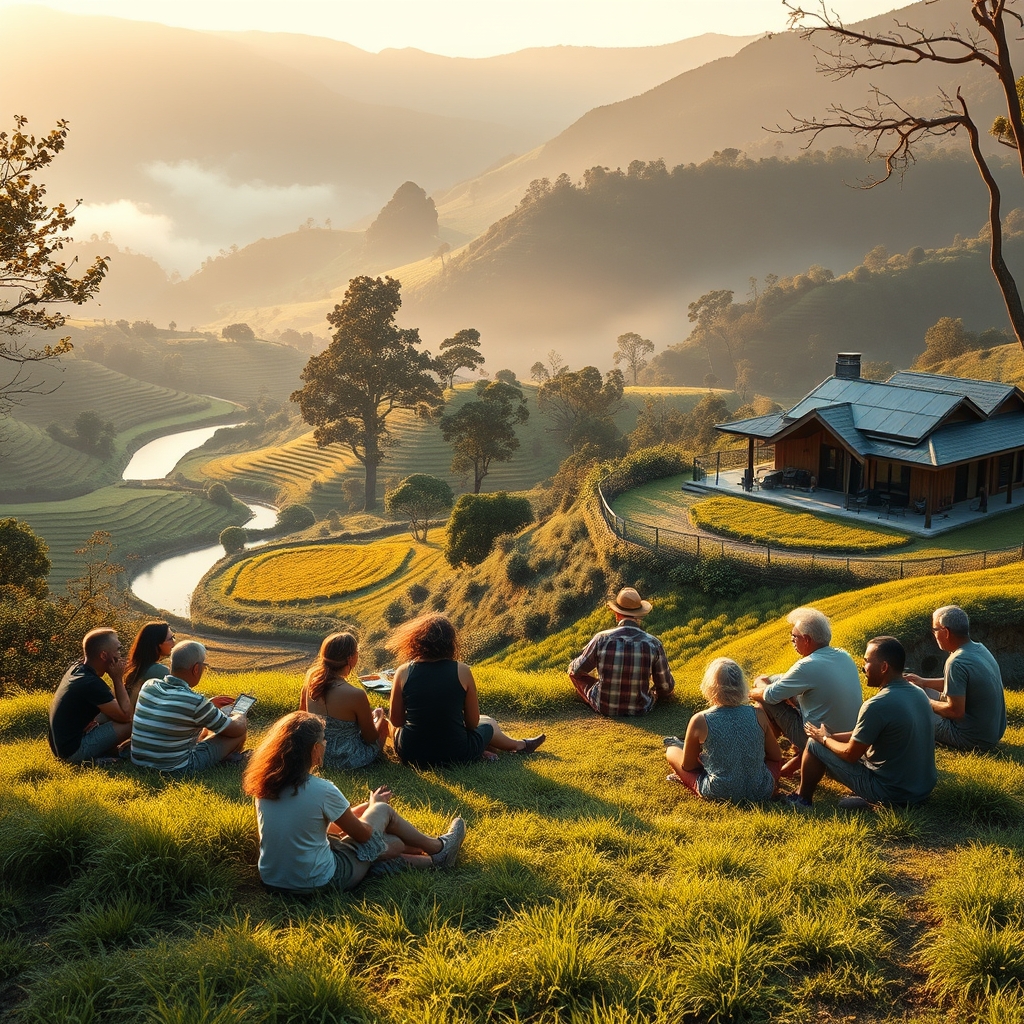
There is a quiet revolution unfolding in the way we explore the world—one that invites us to slow down, listen deeply, and connect with the land and its people in ways that heal both traveler and destination. This is the essence of regenerative wellness tourism, a movement that transcends traditional notions of relaxation and rejuvenation by weaving together the threads of slow travel, local storytelling, and mindful immersion. It is not just about visiting a place; it is about becoming part of its story, its rhythms, and its transformation.
The Philosophy of Slow Travel: A Journey Beyond the Itinerary
Slow travel is more than a trend; it is a philosophy that challenges the frenetic pace of modern tourism. It encourages travelers to linger in a destination, to savor its flavors, to engage with its communities, and to allow the journey to unfold organically. Unlike the whirlwind tours that rush from one landmark to another, slow travel prioritizes depth over breadth, quality over quantity. It is about forging meaningful connections—with the environment, with local cultures, and with oneself.
In the context of regenerative wellness tourism, slow travel becomes a powerful tool for healing. By spending extended time in a single location, travelers can attune themselves to the natural cycles of the land, whether it’s the ebb and flow of ocean tides, the rustling of forest leaves, or the quiet hum of a rural village at dawn. This attunement fosters a sense of belonging, a feeling that one is not merely a visitor but a temporary steward of the place. It is in these moments of stillness that true wellness begins to take root—not just for the traveler, but for the destination itself.
The Role of Local Storytelling: Weaving the Tapestry of Place
At the heart of regenerative wellness tourism lies local storytelling, a practice that breathes life into the history, traditions, and wisdom of a place. Stories are the invisible threads that connect us to the land and its people, transforming a destination from a mere backdrop into a living, breathing entity. Whether it’s a tale of ancient healing practices passed down through generations, a legend about the formation of a sacred mountain, or the personal narrative of a local artisan, these stories invite travelers to see beyond the surface and engage with the soul of a place.
Local storytellers—whether they are elders, guides, or community members—act as bridges between the past and the present, the known and the unknown. Their narratives often carry lessons about sustainability, resilience, and harmony with nature, offering travelers a deeper understanding of how to tread lightly on the earth. In regenerative wellness tourism, storytelling is not just entertainment; it is an act of preservation, a way to honor the land and its people while inspiring visitors to become active participants in its regeneration.
Regenerative Wellness: Healing the Traveler and the Land
Regenerative wellness tourism is a holistic approach that seeks to leave a destination better than it was found. Unlike sustainable tourism, which aims to minimize harm, regenerative tourism goes a step further by actively contributing to the restoration and revitalization of ecosystems, cultures, and communities. It is a symbiotic relationship where the well-being of the traveler and the well-being of the destination are intertwined.
Imagine a wellness retreat nestled in the heart of a forest, where guests participate in reforestation efforts, learn about indigenous healing practices, and engage in mindfulness exercises that deepen their connection to the natural world. Or picture a coastal village where travelers help restore coral reefs, listen to stories from local fishermen, and practice yoga on the shore as the sun rises. These experiences are not just about personal rejuvenation; they are about becoming part of a larger narrative of renewal and regeneration.
The Power of Immersive Experiences
Immersive experiences are the cornerstone of regenerative wellness tourism. They invite travelers to step out of their comfort zones and into the rhythms of a place, whether through hands-on activities, cultural exchanges, or mindful practices. For example, a traveler might spend a day learning traditional farming techniques from a local family, harvesting ingredients that will later be transformed into a nourishing meal. Or they might participate in a sunrise ceremony led by an indigenous elder, a ritual that has been performed for centuries to honor the land and its spirits.
These experiences are transformative because they challenge the passive role of the tourist. Instead of observing from a distance, travelers become active participants, co-creating the story of the place alongside its inhabitants. This level of engagement fosters a sense of responsibility and care, encouraging travelers to leave a positive impact long after they have returned home.
The Future of Wellness Tourism: A Call to Mindful Exploration
As the world grapples with the environmental and social impacts of mass tourism, regenerative wellness tourism offers a path forward—one that is rooted in mindfulness, connection, and reciprocity. It is a call to travelers to approach their journeys with intention, to seek out experiences that nourish both body and soul, and to leave behind a legacy of healing and renewal. The destinations that embrace this philosophy are not just places to visit; they are living classrooms, where every interaction is an opportunity to learn, grow, and contribute.
The beauty of regenerative wellness tourism lies in its ability to transform the way we see the world. It reminds us that travel is not just about escape, but about engagement; not just about relaxation, but about revelation. As we slow down, listen to the stories of the land, and immerse ourselves in its rhythms, we begin to understand that true wellness is not something we find in isolation, but something we co-create with the world around us. In this shared journey of healing, we discover that the most profound transformations are those that ripple outward, touching not just our own lives, but the lives of others and the health of the planet itself.