The Art of Invisible Travel: How AI, Local Storytelling, and Slow Exploration Are Crafting the Future of Regenerative Tourism

There is a quiet revolution unfolding in the world of travel—one that doesn’t rely on crowded landmarks, rushed itineraries, or fleeting Instagram moments. Instead, it thrives on the unseen, the unhurried, and the deeply personal. This is the era of invisible travel, where the most transformative journeys are those that leave no trace, yet change everything. At its heart lies a fusion of artificial intelligence, local storytelling, and slow exploration, all converging to redefine what it means to wander responsibly. The question is no longer just where we go, but how we go—and what we leave behind when we return.
The Rise of the Conscious Curator
Imagine a travel experience so finely tuned to your values that every recommendation feels like it was whispered by a trusted friend. This is the promise of AI-driven travel planning, where algorithms don’t just suggest the most popular destinations but uncover the ones that align with your desire for sustainability, cultural immersion, and regenerative impact. Platforms like Wayfinder and EcoBnB are already leveraging machine learning to match travelers with eco-friendly accommodations, local guides, and off-the-beaten-path experiences that prioritize community benefit over mass tourism. The result? A journey that feels both deeply personal and profoundly ethical.
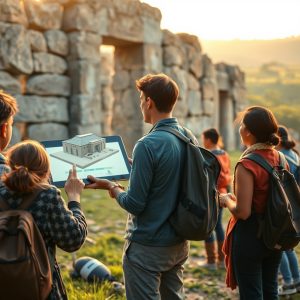
But AI is only as powerful as the stories it amplifies. That’s where local storytelling steps in, acting as the bridge between technology and human connection. In destinations like Portugal’s Alentejo region or the highlands of Guatemala, travelers are no longer passive observers but active participants in the narratives of the places they visit. Guides share oral histories passed down through generations, artisans demonstrate ancient techniques, and farmers invite visitors into their fields to taste the literal fruits of their labor. These stories don’t just inform—they transform, turning a simple visit into a shared experience that lingers long after the suitcase is unpacked.
The Slow Travel Manifesto
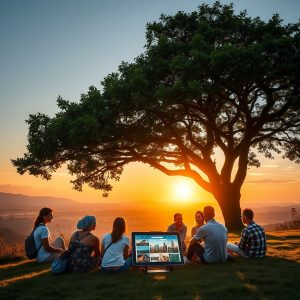
In a world obsessed with ticking off bucket lists, slow travel is a radical act of resistance. It’s about savoring the in-between moments—the unplanned detour, the conversation with a stranger, the meal that lasts for hours. This philosophy isn’t new, but it’s gaining urgency as travelers seek to counteract the environmental and emotional toll of fast tourism. Slow travel isn’t just about spending more time in a place; it’s about engaging with it on a deeper level, whether that means volunteering on a regenerative farm in Costa Rica, learning traditional weaving in Oaxaca, or simply sitting in a village square watching the world go by.
Technology plays a surprising role in this movement. Apps like Slowly encourage travelers to exchange handwritten letters with locals, while platforms like Workaway facilitate immersive, long-term stays where visitors contribute to community projects. Even virtual reality, often criticized for its detachment from the physical world, is being reimagined as a tool for slow exploration. VR experiences like National Geographic Explore allow users to “visit” remote destinations in stunning detail, fostering a sense of connection that can inspire real-world travel—or, in some cases, replace it entirely for those unable to make the journey.
The Regenerative Imperative
Regenerative travel takes sustainability a step further by asking not just how we can minimize harm, but how we can actively heal the places we visit. This approach is gaining traction in destinations that have borne the brunt of overtourism, from Bali to Barcelona. In Thailand’s Chiang Mai, for example, travelers can participate in reforestation projects that restore degraded land, while in Rwanda, gorilla trekking permits fund conservation efforts that have brought the species back from the brink of extinction. These experiences reframe travel as a force for good, where every dollar spent and every footprint left contributes to the revival of ecosystems and communities.
Local storytelling is the thread that weaves these efforts together. In the Peruvian Amazon, indigenous guides share how their ancestors lived in harmony with the rainforest, offering lessons in sustainability that modern travelers can apply to their own lives. In Scotland’s Isle of Eigg, residents recount the island’s journey to energy independence, inspiring visitors to advocate for renewable solutions back home. These stories don’t just educate—they empower, turning travelers into ambassadors for the places they’ve come to love.
The Future of Invisible Travel
As AI becomes more sophisticated, the line between technology and human connection will continue to blur. Imagine an app that doesn’t just recommend a hidden gem but connects you with a local storyteller who can guide you through its history, or a virtual reality experience that lets you “walk” through a destination before deciding to visit in person. These tools won’t replace the magic of travel but enhance it, making it easier to explore in a way that is mindful, meaningful, and regenerative.
Yet, for all the promise of technology, the most powerful tool in the invisible traveler’s arsenal remains the same as it’s always been: curiosity. The willingness to step off the well-trodden path, to listen more than you speak, and to leave a place better than you found it. This is the essence of travel in the 21st century—not as a consumer of experiences, but as a participant in the ongoing story of our planet. The destinations we seek are not just places on a map but living, breathing entities with their own rhythms, struggles, and triumphs. To travel invisibly is to honor that truth, to move through the world with humility and wonder, and to leave behind not just footprints, but seeds of change.