The Whispering Trails of Connection: How Local Storytelling and Virtual Reality Are Crafting the Future of Immersive Eco Tourism
In an era where travel is no longer just about ticking off landmarks but about forging deep, meaningful connections with the places we visit, a quiet revolution is unfolding. The fusion of local storytelling and cutting-edge technology is redefining what it means to explore the world, turning every journey into an immersive eco experiential adventure. This is not just travel; it’s a dialogue with the earth, a conversation with the past, and a promise to the future.
The Power of Local Storytelling in Eco Tourism
At the heart of this transformation lies the age-old art of storytelling. Local narratives, passed down through generations, are the threads that weave together the cultural and ecological tapestry of a destination. These stories are more than just tales; they are living embodiments of a place’s identity, its struggles, and its triumphs. When travelers engage with these narratives, they move beyond being mere observers and become active participants in the story of the land.
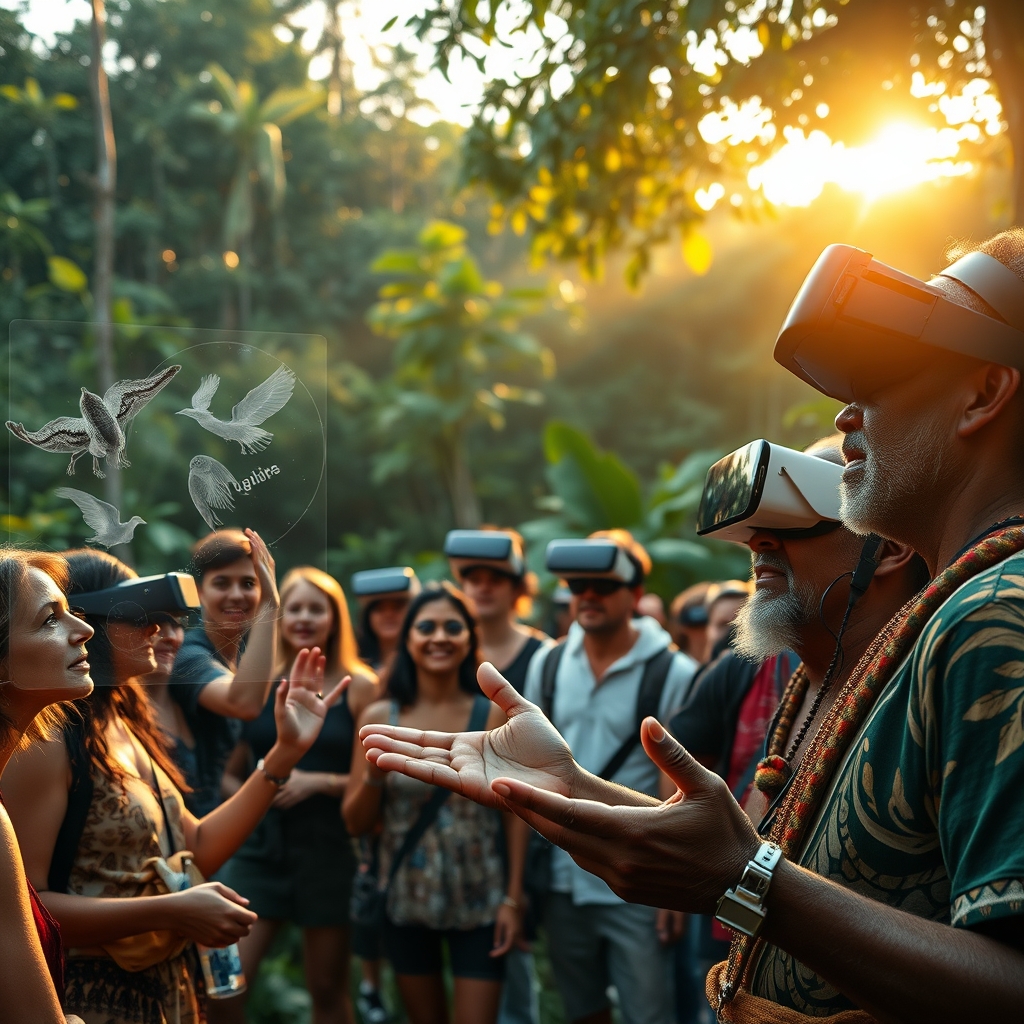
Imagine wandering through a lush rainforest in Costa Rica, where a local guide shares the legend of the La Carreta Nagua, a mythical oxcart said to carry the spirits of the forest. As the story unfolds, the rustling leaves and distant calls of wildlife no longer feel like background noise but like characters in an unfolding drama. This is the magic of local storytelling—it transforms the environment into a stage where every element has a voice, and every traveler becomes part of the performance.
Why Storytelling Matters in Sustainable Travel
Storytelling is not just about entertainment; it’s a powerful tool for conservation and cultural preservation. When travelers hear the stories of indigenous communities fighting to protect their ancestral lands or learn about the delicate balance of ecosystems through the eyes of those who depend on them, they develop a deeper sense of responsibility. This emotional connection is often the catalyst for more sustainable travel choices, from supporting eco-friendly accommodations to participating in regenerative travel initiatives that give back to the communities they visit.
Moreover, storytelling fosters a sense of respect and humility. It reminds travelers that they are guests in someone else’s home, invited to listen, learn, and leave with more than just photographs. In a world where overtourism threatens to erode the very essence of destinations, this shift in perspective is not just welcome—it’s essential.
The Role of Virtual Reality in Immersive Eco Tourism
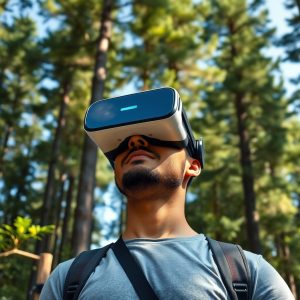
While local storytelling grounds travelers in the present, virtual reality (VR) is opening doors to experiences that were once unimaginable. VR is no longer just a tool for gaming or entertainment; it’s becoming a bridge between the digital and physical worlds, allowing travelers to explore destinations in ways that are both immersive and sustainable.
Virtual Reality as a Gateway to Hidden Gems
For many, the dream of visiting remote or fragile ecosystems—like the melting glaciers of Antarctica or the coral reefs of the Great Barrier Reef—remains just that: a dream. The carbon footprint of such travel, coupled with the risk of environmental degradation, makes these destinations inaccessible to all but the most determined (and well-funded) explorers. Virtual reality changes this dynamic by offering a way to experience these places without leaving a physical trace.
Imagine donning a VR headset and suddenly finding yourself standing on the edge of a pristine lagoon in the Maldives, the turquoise waters stretching out before you. As you turn your head, a local marine biologist appears, explaining the delicate ecosystem beneath the surface and the efforts to protect it. You can almost feel the warmth of the sun and the gentle breeze, even though you’re sitting in your living room. This is not just a simulation; it’s a visceral connection to a place, one that can inspire real-world action, from donating to conservation efforts to choosing more sustainable travel options in the future.
Enhancing On-the-Ground Experiences with VR
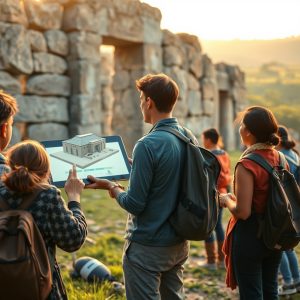
Virtual reality isn’t just for armchair travelers. It’s also enhancing the experiences of those who do venture out into the world. In destinations like Kyoto, Japan, or the ancient ruins of Machu Picchu, VR is being used to recreate historical moments, allowing travelers to step back in time and witness the past in vivid detail. For example, a VR experience in Rome might transport you to the height of the Roman Empire, where you can walk through the bustling streets of the Forum as it once was, complete with the sounds and smells of the era.
This blend of past and present enriches the travel experience, making it more than just a visual spectacle. It becomes a multi-sensory journey that deepens understanding and appreciation for the cultural heritage of a place. And because VR experiences can be tailored to individual interests—whether it’s history, ecology, or culinary traditions—they offer a level of personalization that traditional guided tours simply can’t match.
The Synergy of Storytelling and VR in Eco Tourism
The true magic happens when local storytelling and virtual reality converge. Together, they create a new paradigm for eco tourism—one that is immersive, educational, and deeply personal. This synergy allows travelers to engage with destinations on multiple levels, from the emotional resonance of a local legend to the awe-inspiring realism of a VR experience.
Case Study: The Amazon Rainforest
Consider the Amazon rainforest, a place of unparalleled biodiversity and cultural richness. For centuries, indigenous communities have lived in harmony with the forest, their stories and traditions intricately tied to its rhythms. Today, organizations like Amazon Frontlines are using VR to bring these stories to life, creating experiences that allow travelers to virtually step into the shoes of an indigenous guide.
In one such experience, you might find yourself paddling down a winding river, the sounds of the forest enveloping you as your guide points out medicinal plants and shares the spiritual significance of the jaguar. The VR experience doesn’t just show you the Amazon; it invites you to feel its pulse, to understand its fragility, and to see the world through the eyes of those who call it home. When travelers later visit the Amazon in person, this virtual introduction makes their experience richer, more respectful, and more meaningful.
The Future of AI and Local Insights
As technology continues to evolve, the possibilities for immersive eco tourism are expanding. Artificial intelligence (AI) is playing an increasingly important role, from curating personalized travel itineraries based on individual interests to enhancing VR experiences with real-time data. For example, AI can analyze a traveler’s preferences—whether they’re drawn to adventure tourism, wellness tourism, or cultural heritage tourism—and suggest hidden gem destinations that align with their values.
AI can also help bridge the gap between local storytellers and global audiences. Platforms like Storyteller or Local Voices are using AI to translate and adapt local narratives for international travelers, ensuring that the stories retain their authenticity while becoming accessible to a wider audience. This not only preserves cultural heritage but also empowers local communities by giving them a platform to share their voices with the world.
Travel is no longer a passive act of consumption but an active exchange of stories, ideas, and experiences. The fusion of local storytelling and virtual reality is not just changing how we explore the world; it’s redefining why we travel in the first place. It’s about connection—connection to the land, to its people, and to the shared human experience that binds us all. As we stand on the brink of this new era of immersive eco tourism, one thing is clear: the future of travel is not just about seeing the world, but about feeling it, understanding it, and leaving it better than we found it. The trails we walk are no longer just paths through the landscape; they are threads in a tapestry of stories, waiting to be discovered, shared, and preserved for generations to come.