The Future of Travel: How AI, Local Insights, and Regenerative Practices Are Crafting the Ultimate Eco Experiential Journey

Travel is no longer just about ticking off landmarks or collecting passport stamps. The modern explorer seeks something deeper—an experience that connects them to the land, its people, and its stories while leaving a positive impact. This shift has given rise to a new era of travel, where eco experiential tourism, regenerative travel, and AI-driven personalization converge to create journeys that are as meaningful as they are memorable. But how exactly are these elements coming together to redefine the way we explore the world?
The Power of Local Insights in Crafting Authentic Experiences
At the heart of this transformation is the growing demand for authenticity. Travelers are no longer satisfied with generic tours or scripted itineraries. Instead, they crave local storytelling tours that reveal the hidden layers of a destination—its traditions, struggles, and triumphs. These experiences are often led by community members, historians, or artisans who share personal narratives that guidebooks simply can’t capture.
For example, a culinary tourism experience in Oaxaca might not just include a cooking class but also a visit to a local market where an indigenous vendor explains the cultural significance of each ingredient. Similarly, a cultural heritage tourism journey in Kyoto could involve a private tea ceremony with a descendant of a samurai family, offering insights into rituals that have been passed down for generations. These moments don’t just inform—they transform, turning a trip into a story worth telling.
How AI is Personalizing the Travel Experience
While local insights ground travel in authenticity, AI travel planning is making it more accessible and tailored than ever before. Smart algorithms analyze preferences, past behaviors, and even real-time data to suggest hidden gem destinations and activities that align with a traveler’s values. Whether it’s a solo traveler seeking off-the-beaten-path adventures or a digital nomad looking for eco-friendly coworking spaces, AI ensures that every recommendation feels uniquely suited to the individual.
Imagine an AI-powered app that not only suggests a glamping destination in Patagonia but also connects you with a local guide who specializes in regenerative travel practices, such as reforestation projects or wildlife conservation efforts. Or consider a wellness tourism retreat in Bali that uses AI to curate a personalized schedule based on your stress levels, sleep patterns, and dietary needs. The possibilities are endless, and the result is a travel experience that feels both deeply personal and effortlessly seamless.
The Role of Regenerative Travel in Healing the Planet
Beyond personalization, the future of travel is increasingly focused on regenerative practices—efforts that go beyond sustainability to actively restore and revitalize the places we visit. This could mean staying in eco-friendly accommodations built from reclaimed materials, participating in community-led conservation projects, or supporting businesses that reinvest profits into local education and healthcare.
For instance, a bleisure travel trip to Costa Rica might include a day volunteering with a sea turtle conservation program, followed by a stay at a lodge that powers itself with renewable energy. Meanwhile, a cultural heritage tourism journey in Italy could involve a workshop with a master artisan, where travelers learn traditional techniques while contributing to the preservation of endangered crafts. These experiences don’t just minimize harm—they create good, turning travelers into stewards of the places they love.
Virtual Reality and the New Frontier of Immersive Exploration
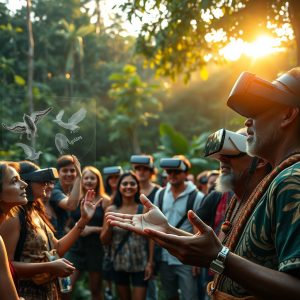
While physical travel remains irreplaceable, virtual reality travel is opening up new possibilities for exploration. VR allows travelers to preview destinations, relive past trips, or even visit places that are inaccessible due to distance, cost, or environmental concerns. For example, a museum in Paris could offer a VR tour of its archives, while a national park in New Zealand might provide a virtual hike through its most remote trails.
This technology is also enhancing immersive tourism by blending the digital and physical worlds. Imagine walking through the streets of ancient Rome with a VR headset that overlays historical events onto the modern landscape, or attending a live-streamed festival in Japan while interacting with locals in real time. These experiences don’t replace traditional travel—they enhance it, making exploration more accessible and engaging for everyone.
The Intersection of Tradition and Innovation
One of the most exciting developments in modern travel is the way tradition and innovation are coming together to create experiences that honor the past while embracing the future. Halal tourism, for example, is leveraging smart tech to offer personalized prayer times, halal dining recommendations, and even augmented reality guides to historic Islamic sites. Meanwhile, adventure tourism is incorporating AI to assess weather conditions and trail safety, ensuring that explorers can push their limits without unnecessary risks.
This fusion is also evident in slow travel, where technology is used to deepen rather than distract. Apps that encourage mindful exploration, such as those that suggest local storytelling tours based on a traveler’s interests, are helping people connect more meaningfully with the places they visit. The result is a travel experience that feels both cutting-edge and timeless—a balance that resonates with today’s conscious explorers.
The way we travel is evolving, shaped by a desire for deeper connections, smarter personalization, and a commitment to leaving the world better than we found it. Whether through the stories of local guides, the precision of AI, or the restorative power of regenerative practices, the future of travel is about more than just seeing the world—it’s about understanding it, protecting it, and belonging to it in a way that feels truly transformative. As these trends continue to unfold, one thing is clear: the most unforgettable journeys are those that change not just the traveler, but the world around them.