The Whispering Trails of Tomorrow: How AI and Local Storytelling Are Crafting the Future of Immersive Halal Tourism
In a world where travel is no longer just about ticking off landmarks but about forging meaningful connections, a quiet revolution is unfolding—one that blends tradition with cutting-edge innovation. Halal tourism, once narrowly defined by religious accommodations, is evolving into a rich tapestry of immersive experiences that honor cultural heritage while embracing the future. At the heart of this transformation lies the fusion of artificial intelligence and the age-old art of local storytelling, creating journeys that are as spiritually enriching as they are technologically advanced.
The Rise of Conscious Halal Travel
Halal tourism has long been associated with destinations that cater to the dietary, spiritual, and cultural needs of Muslim travelers. Yet, as the world becomes more interconnected, so too do the expectations of modern explorers. Today’s conscious travelers seek more than just halal-certified meals and prayer facilities—they crave authenticity, sustainability, and a deeper understanding of the places they visit. This shift has given rise to a new wave of halal tourism, one that prioritizes immersive experiences rooted in local traditions, ethical practices, and community engagement.
From the bustling souks of Marrakech to the serene mosques of Istanbul, destinations are reimagining how they welcome Muslim travelers. The focus is no longer solely on logistics but on crafting narratives that resonate with the soul. Guides are no longer just translators of language but storytellers who weave tales of history, faith, and resilience into every step of the journey. This evolution reflects a broader trend in travel: the desire to move beyond superficial encounters and instead, to leave with a piece of the destination’s essence embedded in memory.
AI as the Silent Guide
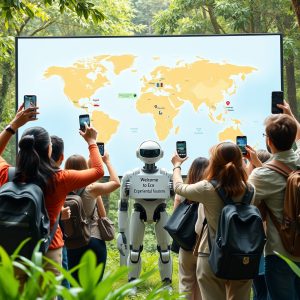
Enter artificial intelligence, the unassuming yet powerful force reshaping how travelers engage with the world. AI is not here to replace the human touch but to enhance it, acting as a bridge between the traveler and the destination. Imagine walking through the ancient streets of Fez, your smartphone buzzing with a notification: “Did you know that the tannery you’re about to see has been dyeing leather the same way for over a thousand years?” AI-powered apps, like those developed by startups in the Middle East and Southeast Asia, are making this a reality, offering real-time insights tailored to the traveler’s interests and cultural background.
For halal tourism, AI’s potential is particularly exciting. Language barriers dissolve as AI-driven translation tools facilitate deeper conversations with locals. Personalized itineraries, crafted by algorithms that understand religious and cultural preferences, ensure that every experience aligns with the traveler’s values. Whether it’s suggesting a secluded beach for prayer during sunset or recommending a halal-certified cooking class that delves into the history of a regional dish, AI is making halal travel more accessible, intuitive, and enriching than ever before.
The Power of Local Storytelling
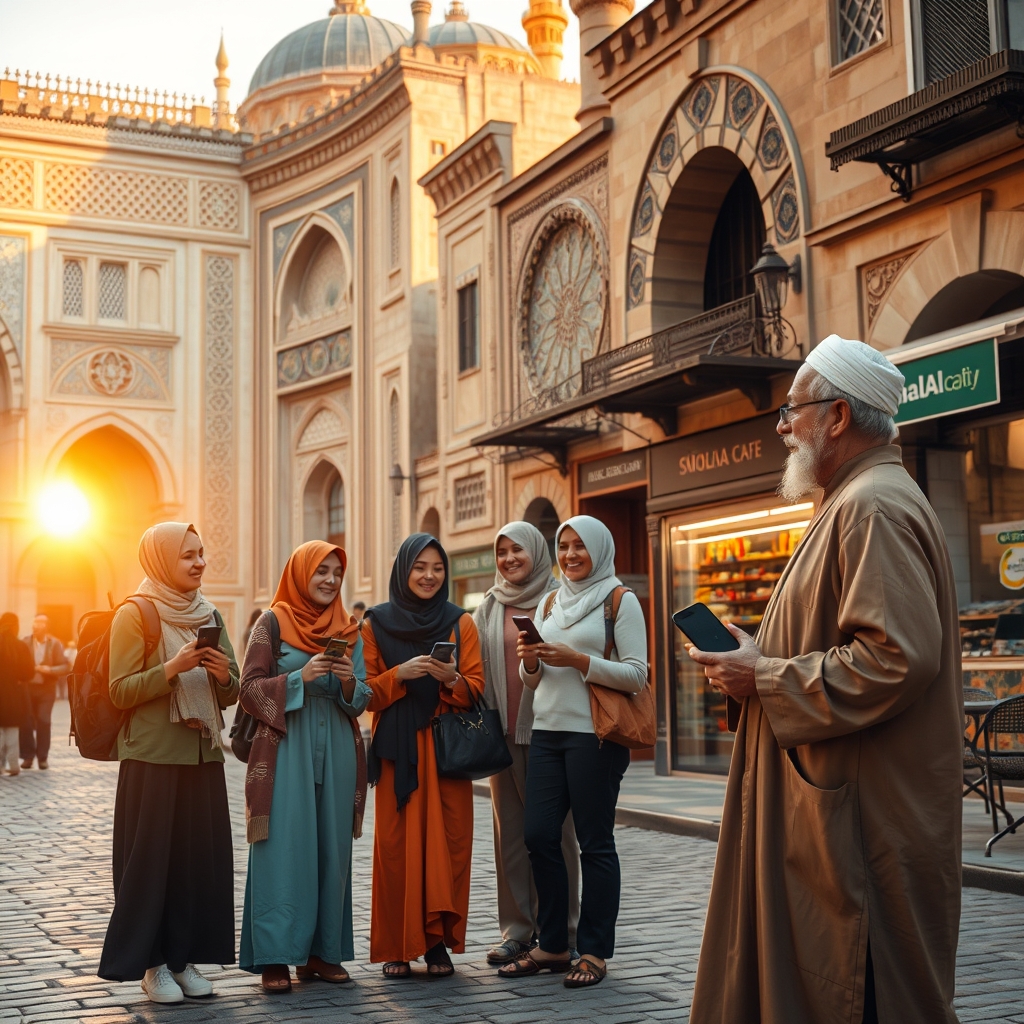
Yet, for all its brilliance, technology alone cannot capture the soul of a place. That’s where local storytelling comes in—a practice as old as humanity itself. In halal tourism, storytelling is not just about recounting facts but about fostering connections. It’s the elderly shopkeeper in Cairo who shares how his family’s spice trade dates back to the Fatimid era. It’s the young artisan in Kuala Lumpur who demonstrates batik-making while explaining its spiritual significance in Malay culture. These stories transform a visit into an experience, a fleeting moment into a lasting memory.
Destinations are increasingly recognizing the value of these narratives. In Dubai, for example, the “Heritage Heart” initiative trains local guides to share the untold stories of the city’s rapid transformation, from a humble fishing village to a global metropolis. Meanwhile, in Bosnia and Herzegovina, tours of Sarajevo’s historic mosques are led by descendants of families who lived through the city’s Ottoman past, offering a perspective that no guidebook could replicate. These stories do more than inform—they inspire, they challenge, and they connect.
Crafting the Future of Halal Tourism
The future of halal tourism lies in the seamless integration of AI and local storytelling, creating experiences that are both deeply personal and universally resonant. Picture this: a traveler arrives in Granada, Spain, where AI suggests a walking tour of the Alhambra, not just for its architectural splendor but for its significance in Islamic history. Along the way, a local guide shares the legend of the last Nasrid king, Boabdil, whose tears upon leaving the palace gave the nearby hill its name, “El Suspiro del Moro”—the Moor’s Sigh. The traveler leaves not just with photographs but with a story that lingers, a connection to a place and its people that transcends time.
This fusion of technology and tradition is also paving the way for more sustainable and regenerative travel practices. AI can help travelers make eco-conscious choices, such as suggesting halal-certified eco-lodges that support local communities or recommending off-the-beaten-path destinations to reduce overtourism. Meanwhile, local storytellers ensure that tourism dollars flow back into the communities that need them most, preserving cultural heritage for future generations.
The Road Ahead
As halal tourism continues to evolve, the possibilities are as vast as the destinations themselves. The key lies in striking a balance—leveraging technology to enhance, not replace, the human element of travel. AI can open doors, but it’s the stories shared by locals that make a traveler truly feel at home in a foreign land. It’s the difference between seeing a place and understanding it, between visiting a destination and becoming a part of its ongoing narrative.
The trails of tomorrow are not just paths to be walked but stories to be lived. They are whispered in the call to prayer echoing through a Moroccan medina, in the laughter of children playing in the courtyards of a Turkish mosque, in the quiet moments of reflection beneath the stars in a desert glamping site. And as AI and local storytelling intertwine, these trails will become more accessible, more immersive, and more meaningful than ever before. The future of halal tourism is not just about where we go but how we connect—with the world, with its people, and with the stories that bind us all.