
Halal Tourism Meets Smart Travel: How Technology and Tradition Are Crafting the Ultimate Immersive Journey
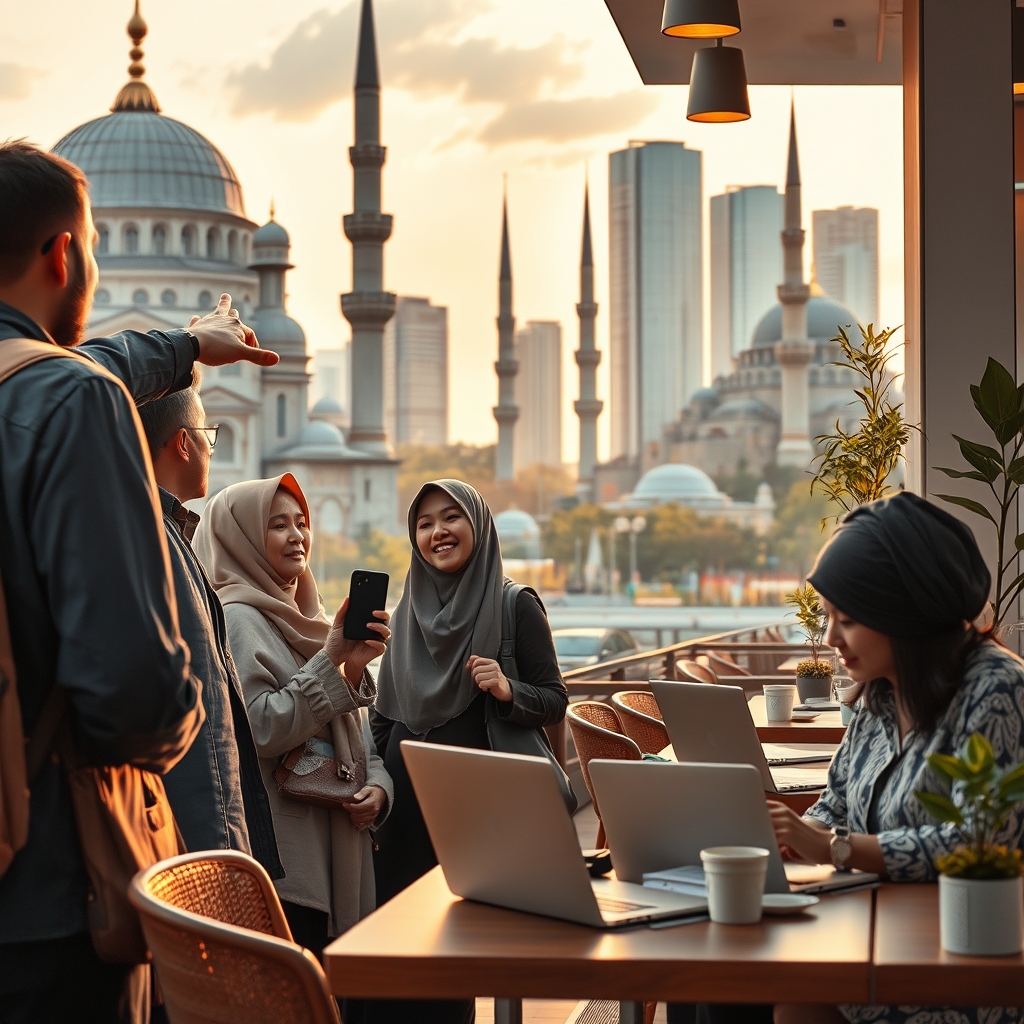
In an era where travel is no longer just about ticking off landmarks but about deeply connecting with destinations, a new wave of tourism is emerging—one that blends cultural authenticity with cutting-edge innovation. Halal tourism, once a niche market, is now evolving into a sophisticated, tech-driven experience that caters to the modern Muslim traveler while appealing to a broader audience seeking meaningful, immersive journeys. This fusion of tradition and technology is redefining what it means to explore the world, offering a blueprint for travel that is both respectful and revolutionary.
The Evolution of Halal Tourism: Beyond the Basics
Halal tourism has long been associated with travel that adheres to Islamic principles—halal food, prayer facilities, and gender-segregated spaces. While these remain foundational, the concept has expanded far beyond its initial scope. Today, halal tourism encompasses a holistic approach to travel that prioritizes ethical consumption, cultural respect, and seamless integration of faith-based needs into the travel experience. Destinations like Malaysia, Turkey, and the UAE have led the charge, transforming halal travel into a dynamic sector that attracts millions of visitors annually.
But what truly sets modern halal tourism apart is its embrace of experiential and immersive elements. Travelers are no longer content with merely visiting mosques or halal restaurants; they seek authentic interactions with local communities, hands-on cultural workshops, and storytelling that brings history to life. This shift aligns perfectly with the broader trend of slow travel, where the journey itself becomes as enriching as the destination.
Smart Tourism: The Tech Backbone of Halal Travel
The rise of smart tourism has been a game-changer for halal travel, making it easier than ever for travelers to navigate destinations while staying true to their values. AI-powered travel planners, for instance, can curate itineraries that include halal-certified dining options, prayer times tailored to the local timezone, and even recommendations for modest fashion shopping. Apps like HalalTrip and Muslim Pro have become indispensable tools, offering everything from Qibla directions to halal food finders, ensuring that travelers can focus on the experience rather than logistics.
Virtual reality (VR) is another frontier where halal tourism is making strides. Imagine donning a VR headset and being transported to the Grand Mosque in Mecca, the historic streets of Istanbul, or the serene landscapes of Bosnia—all from the comfort of your home. While nothing replaces the magic of physical travel, VR offers a way to preview destinations, plan trips, or even engage in virtual pilgrimages, making travel more accessible and inclusive. For those with mobility challenges or financial constraints, this technology opens doors to experiences that might otherwise remain out of reach.
Eco-Friendly and Halal: A Perfect Pairing
Sustainability is no longer a buzzword but a necessity, and halal tourism is embracing this shift with open arms. Eco-friendly accommodations that adhere to halal principles—such as hotels with private prayer spaces, organic halal dining, and zero-waste initiatives—are cropping up worldwide. These establishments prove that ethical travel doesn’t have to come at the expense of comfort or cultural sensitivity. In fact, many halal resorts and glamping destinations are leading the charge in regenerative travel, ensuring that their operations give back to the environment and local communities.
For example, in Indonesia, eco-resorts like Alila Villas Uluwatu offer halal-certified dining alongside sustainable practices such as solar energy, water conservation, and support for local artisans. Similarly, in Morocco, riads and guesthouses are blending traditional hospitality with green initiatives, creating a travel experience that is both luxurious and low-impact. These destinations demonstrate that halal tourism and sustainability are not mutually exclusive but rather complementary forces driving the future of travel.
Cultural Heritage and Local Storytelling: The Heart of Immersive Halal Travel
At its core, halal tourism is about more than just adhering to religious guidelines—it’s about celebrating and preserving cultural heritage. Local storytelling tours have become a powerful way to immerse travelers in the history and traditions of a destination. In cities like Istanbul, guided tours led by local historians offer deep dives into the Ottoman Empire’s legacy, while in Malaysia, visitors can participate in traditional batik workshops or silat (martial arts) demonstrations. These experiences foster a deeper understanding of the places visited, creating memories that last far beyond the trip itself.
Digital nomads, too, are finding a home in halal-friendly destinations. Cities like Kuala Lumpur, Dubai, and Istanbul offer coworking spaces with prayer rooms, halal food delivery options, and vibrant communities that cater to remote workers. The rise of bleisure travel—where business and leisure blend seamlessly—has further fueled this trend, as professionals seek destinations that align with their lifestyle and values. For digital nomads, halal tourism isn’t just about convenience; it’s about finding a sense of belonging in a globalized world.
The Future of Halal Tourism: Where Tradition Meets Innovation
As technology continues to advance, the possibilities for halal tourism are limitless. AI-driven personalization will allow travelers to craft bespoke itineraries that cater to their unique preferences, from halal culinary tours in Japan to adventure travel in the mountains of Pakistan. Augmented reality (AR) could soon enable travelers to overlay historical context onto landmarks, bringing the past to life in real time. Meanwhile, blockchain technology may revolutionize halal certification, ensuring transparency and trust in the products and services travelers rely on.
Yet, amid all this innovation, the essence of halal tourism remains rooted in its values: respect, authenticity, and connection. Whether it’s through a shared meal with a local family, a quiet moment of reflection in a centuries-old mosque, or the thrill of discovering a hidden gem off the beaten path, halal tourism offers a way to travel that is both meaningful and transformative. It’s a reminder that in a world where travel can often feel rushed and impersonal, there’s still a way to explore with intention, curiosity, and heart.
The beauty of halal tourism lies in its ability to adapt and evolve without losing sight of what makes it special. By embracing technology, sustainability, and immersive experiences, it’s not just keeping pace with the future of travel—it’s helping to shape it. For travelers seeking more than just a vacation, halal tourism offers a path to discovery that is as enriching as it is unforgettable, proving that the most profound journeys are those that honor both tradition and innovation.