The Whispering Trails of Wellness: How Glamping and Local Storytelling Are Crafting the Future of Immersive Eco Experiential Tourism
In a world where the pace of life often feels relentless, there’s a growing movement that invites travelers to slow down, breathe deeply, and reconnect with the earth in ways that nourish both the body and the soul. This is the essence of immersive eco experiential tourism—a journey that transcends traditional sightseeing to embrace healing, storytelling, and a profound sense of place. At the heart of this transformation lies the fusion of glamping and local narratives, where luxury meets sustainability, and every stay becomes a chapter in a larger story of regeneration and connection.
The Rise of Glamping: Where Comfort Meets Consciousness
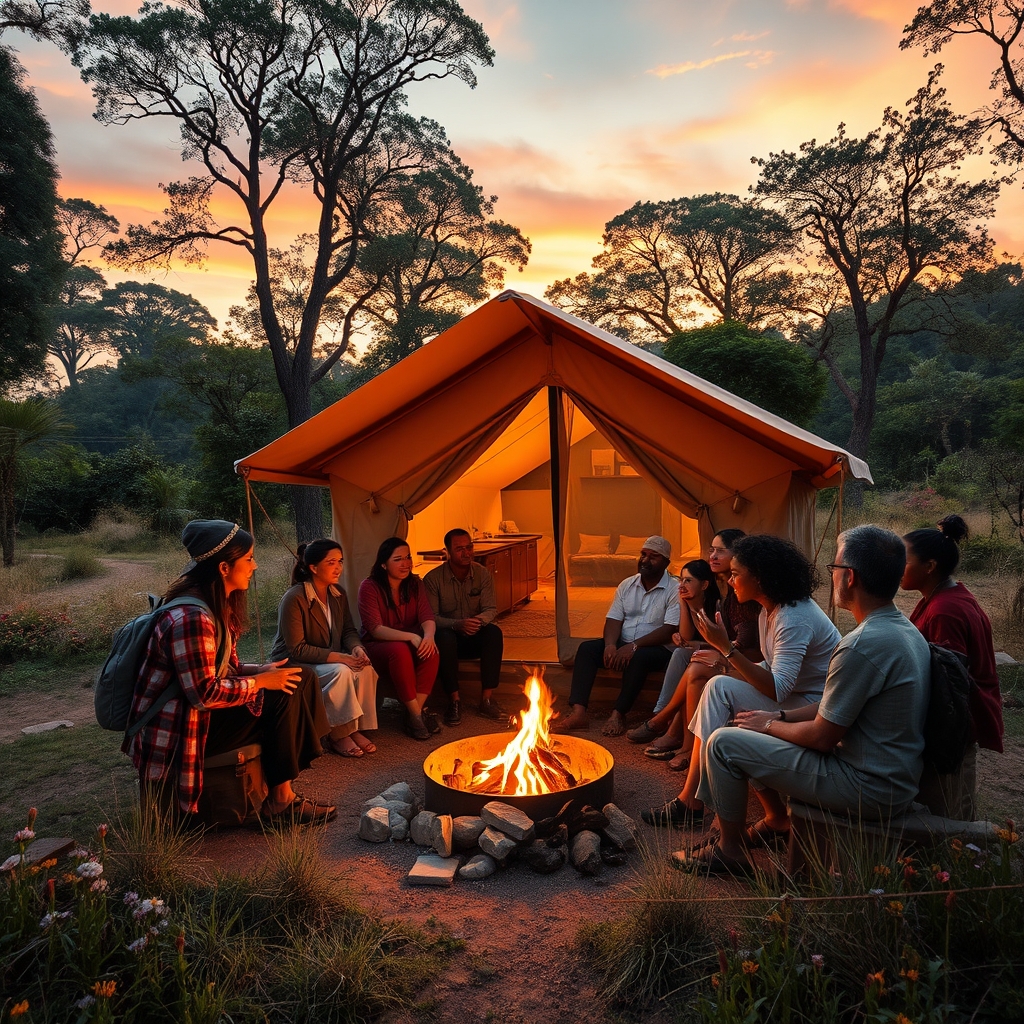
Gone are the days when roughing it in the wilderness meant sacrificing comfort. Glamping, or glamorous camping, has redefined eco-friendly accommodations by blending the rustic charm of nature with the indulgence of high-end amenities. Picture waking up in a safari tent nestled in the heart of a national park, where the only sounds are the rustling leaves and the distant call of wildlife. Or imagine a transparent bubble dome under a star-studded sky, where the boundaries between you and the cosmos dissolve into a single, breathtaking moment.
But glamping is more than just a luxurious escape—it’s a commitment to sustainability. Many glamping sites are built with eco-conscious materials, powered by renewable energy, and designed to leave minimal impact on the environment. From solar-powered showers to composting toilets, these accommodations prove that luxury and responsibility can coexist. The result? A stay that doesn’t just feel good but does good, too.
The Power of Local Storytelling: Weaving the Fabric of Place
What truly elevates glamping from a mere getaway to an immersive experience is the integration of local storytelling. Every destination has a pulse, a rhythm shaped by the people who call it home. Local storytellers—whether they’re indigenous guides, third-generation farmers, or artisans—bring these narratives to life, transforming a visit into a journey of discovery. Imagine sitting around a fire with a Maasai elder in Kenya, listening to tales of ancestral wisdom passed down through generations. Or joining a local chef in Tuscany as they share the secrets behind a centuries-old recipe, each ingredient a thread in the tapestry of the region’s history.
These stories do more than entertain; they foster a deeper connection to the land and its people. They remind us that travel isn’t just about seeing new places but understanding them—feeling their joys, struggles, and triumphs as if they were our own. In an era where mass tourism often reduces destinations to mere backdrops, local storytelling reclaims their soul, turning travelers into participants rather than spectators.
Wellness as a Way of Travel
The fusion of glamping and local storytelling naturally lends itself to wellness tourism, where the focus shifts from external exploration to internal transformation. Many glamping sites now offer holistic experiences designed to rejuvenate the mind, body, and spirit. Think yoga sessions at sunrise, guided meditation in ancient forests, or sound baths under the open sky. These practices are often led by local healers who incorporate traditional wisdom into their offerings, creating a bridge between ancient rituals and modern wellness.
For example, in Bali, glamping retreats might include a traditional melukat water purification ceremony, where guests are guided through sacred springs to cleanse their energy. In the mountains of Peru, a glamping stay could feature a coca leaf reading with a local shaman, offering insights into one’s spiritual path. These experiences don’t just provide relaxation; they invite travelers to engage with wellness on a cultural level, deepening their understanding of what it means to heal.
The Hidden Gems: Where Glamping and Storytelling Collide
Some of the most magical glamping destinations are the ones tucked away from the beaten path, where the absence of crowds allows for a more intimate connection to the land. These hidden gems are often the best-kept secrets of local communities, who have long understood the value of preserving their environment and culture. Take, for instance, the eco-domes of Wadi Rum in Jordan, where Bedouin guides share stories of desert survival and celestial navigation under a canopy of stars. Or the treehouse retreats of the Amazon, where indigenous storytellers recount myths of the rainforest’s spirits while guests drift off to the symphony of nocturnal wildlife.
These destinations are not just places to visit; they are living classrooms where every interaction is an opportunity to learn. By choosing to stay in such locations, travelers support local economies and conservation efforts, ensuring that these stories—and the landscapes that inspire them—continue to thrive for generations to come.
The Future of Immersive Eco Experiential Tourism
As the world becomes increasingly interconnected, the demand for travel experiences that are both meaningful and sustainable is only set to grow. Glamping and local storytelling represent a powerful response to this shift, offering a model of tourism that prioritizes authenticity, wellness, and environmental stewardship. But the true magic lies in their ability to transform how we see the world—not as a collection of destinations to be checked off a list, but as a tapestry of stories waiting to be discovered.
Imagine a future where every journey is an opportunity to heal, to learn, and to connect. Where the places we visit don’t just leave a mark on our memories but also on our hearts. This is the promise of immersive eco experiential tourism—a promise that glamping and local storytelling are already bringing to life, one whispering trail at a time. And perhaps, in the quiet moments between the rustling leaves and the crackling fire, we’ll find that the most transformative travel isn’t about where we go, but how deeply we allow ourselves to be changed by the journey.