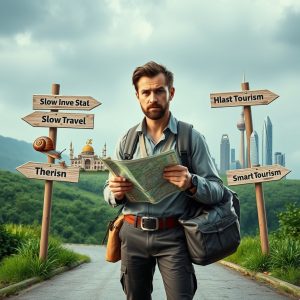
The Art of Mindful Exploration: How Slow Travel and Local Storytelling Are Redefining Sustainable Tourism
The modern traveler is no longer satisfied with the superficial snapshots of a destination. The era of rushed itineraries, crowded tourist traps, and fleeting Instagram moments is giving way to a deeper, more intentional approach to exploration. At the heart of this shift lies the philosophy of slow travel—a movement that encourages immersing oneself in the rhythm of a place, fostering genuine connections, and leaving a positive impact on both the environment and local communities. When combined with the power of local storytelling, this approach transforms tourism into a force for cultural preservation, environmental stewardship, and personal enrichment.
The Philosophy of Slow Travel: More Than Just a Pace
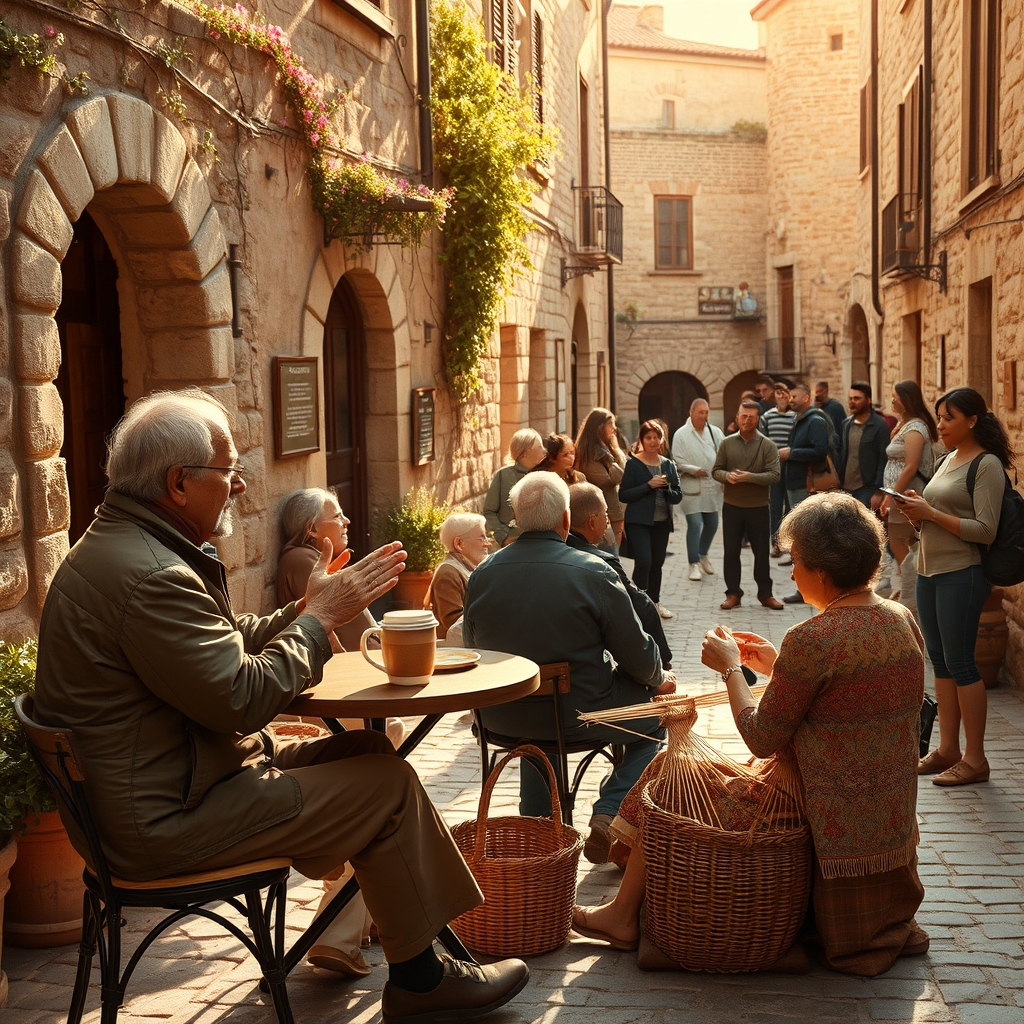
Slow travel is not merely about spending more time in a destination; it’s about engaging with it on a deeper level. It’s the difference between skimming the surface and diving into the essence of a place. This philosophy prioritizes quality over quantity, urging travelers to trade hurried checklists for meaningful experiences. Whether it’s lingering in a café to observe daily life, participating in a traditional craft workshop, or simply wandering without a fixed agenda, slow travel invites curiosity and presence.
The benefits of this approach extend beyond personal fulfillment. By spending more time in fewer places, travelers reduce their carbon footprint, support local economies, and minimize the strain on over-touristed destinations. It’s a counterpoint to the fast-paced, disposable nature of mass tourism, offering a sustainable alternative that aligns with the principles of regenerative travel. Slow travel doesn’t just visit a place—it becomes a part of it, even if only temporarily.
Local Storytelling: The Bridge Between Travelers and Communities
At the core of slow travel is the idea of connection, and nothing fosters connection like storytelling. Local narratives—whether shared by a guide, a shopkeeper, or a fellow traveler—have the power to transform a destination from a collection of landmarks into a living, breathing entity. These stories provide context, history, and emotion, turning abstract sights into tangible experiences. They reveal the soul of a place, its triumphs, struggles, and the everyday lives of its people.
In recent years, immersive storytelling tours have gained traction, offering travelers the chance to engage with destinations in ways that go beyond traditional sightseeing. Imagine walking through the cobbled streets of a historic town while a local historian recounts tales of its past, or joining a fisherman on his morning routine as he shares the challenges and joys of his livelihood. These experiences create a sense of intimacy and authenticity that guidebooks and algorithms simply cannot replicate. They also empower local communities by giving them a platform to share their voices and preserve their cultural heritage.
Technology as an Enabler of Mindful Exploration
While slow travel and local storytelling emphasize human connection, technology plays a crucial role in facilitating these experiences. AI travel planning tools, for instance, can help travelers design itineraries that prioritize depth over breadth, suggesting hidden gems and off-the-beaten-path activities that align with their interests. Smart tourism platforms connect visitors with local storytellers, artisans, and guides, ensuring that their spending directly benefits the community. Even virtual reality, often seen as a tool for armchair travel, can serve as a gateway to mindful exploration by allowing users to preview destinations and cultural experiences before committing to a trip.
However, technology must be used thoughtfully. The goal is not to replace human interaction but to enhance it. For example, an AI-powered app might recommend a local cooking class where travelers can learn to prepare traditional dishes from a family-run restaurant, fostering a deeper appreciation for the region’s culinary heritage. The key is balance—leveraging technology to enrich experiences without letting it dominate them.
Sustainable Tourism in Action: Case Studies in Mindful Exploration
Across the globe, destinations and businesses are embracing the principles of slow travel and local storytelling to create sustainable tourism models. In Japan, the concept of “setouchi stay” encourages visitors to spend extended periods in the Setouchi region, engaging with local art, cuisine, and traditions. The initiative not only boosts the local economy but also helps preserve the area’s cultural identity in the face of depopulation.
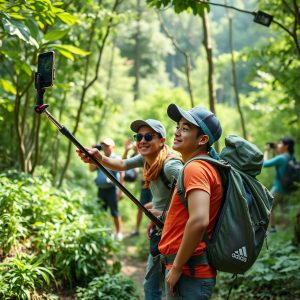
In Portugal, the “Aldeias Históricas” (Historic Villages) network promotes slow travel by inviting visitors to explore medieval villages through guided storytelling tours. These experiences highlight the region’s rich history while supporting small businesses and artisans. Similarly, in Costa Rica, eco-lodges and regenerative travel initiatives offer immersive experiences that combine sustainability with local storytelling, such as guided hikes led by indigenous guides who share their knowledge of the rainforest’s flora and fauna.
The Ripple Effect of Mindful Travel
The impact of slow travel and local storytelling extends far beyond the individual traveler. When done thoughtfully, these approaches can help combat overtourism, preserve cultural heritage, and foster environmental conservation. They encourage travelers to see themselves not as passive observers but as active participants in the places they visit. This shift in mindset can lead to more responsible travel behaviors, such as choosing eco-friendly accommodations, supporting local businesses, and respecting cultural norms.
Moreover, the stories shared by travelers upon their return can inspire others to adopt a more mindful approach to exploration. A single narrative about a transformative experience—whether it’s learning to weave from a local artisan or hearing the oral history of a community—can spark curiosity and empathy in others. In this way, slow travel and local storytelling create a ripple effect, spreading awareness and fostering a global community of conscious explorers.
As the world continues to grapple with the environmental and social impacts of tourism, the principles of slow travel and local storytelling offer a path forward. They remind us that travel is not just about seeing new places but about understanding them, respecting them, and leaving them better than we found them. In a time when the allure of quick escapes and viral moments often overshadows the true purpose of travel, these approaches invite us to slow down, listen, and connect. The most memorable journeys are not measured in miles or landmarks but in the stories we collect and the lives we touch along the way.