The Whispering Trails of Connection: How Local Storytelling and AI Are Crafting the Future of Immersive Halal Wellness Tourism
In a world where travel has become synonymous with hurried checklists and crowded landmarks, a quiet revolution is unfolding—one that invites wanderers to slow down, listen deeply, and connect with the soul of a place. Halal wellness tourism, a niche yet rapidly growing segment of the travel industry, is at the forefront of this transformation. It blends the principles of Islamic travel ethics with the restorative power of wellness, creating journeys that nourish the body, mind, and spirit. But what truly sets this form of travel apart is its embrace of local storytelling and the subtle integration of artificial intelligence, which together are crafting experiences that feel both deeply personal and profoundly authentic.
The Soul of Halal Wellness Tourism
Halal wellness tourism is more than just a trend; it’s a philosophy that aligns travel with ethical, spiritual, and holistic well-being. For Muslim travelers, it offers destinations and experiences that adhere to Islamic principles—halal food, prayer-friendly facilities, and environments free from alcohol and other prohibitions—while also prioritizing wellness. Think thermal baths in Turkey’s Pamukkale, where the mineral-rich waters have soothed souls for centuries, or the serene tea houses of Malaysia’s Cameron Highlands, where the air is crisp and the pace of life slows to a gentle rhythm. These are places where wellness isn’t just a service; it’s a way of life.
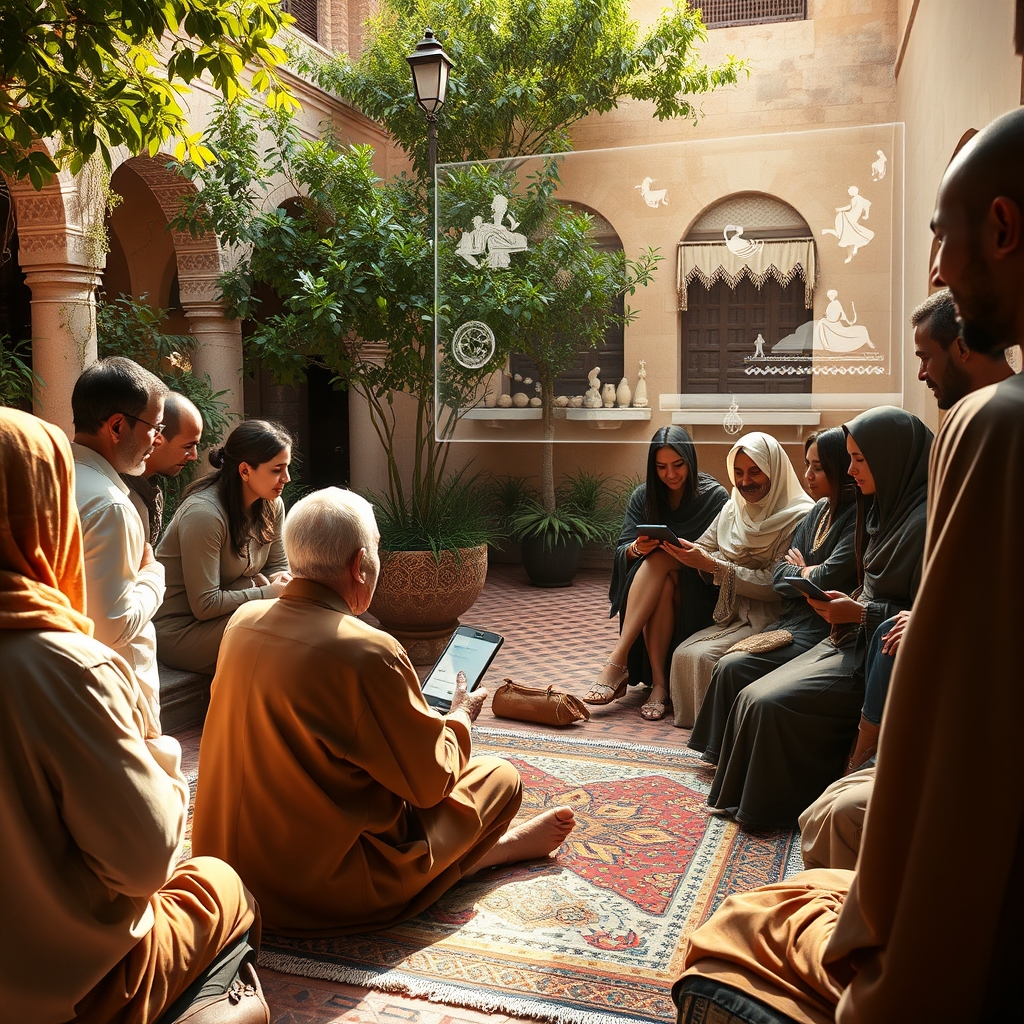
But the magic of halal wellness tourism lies in its ability to go beyond the surface. It’s not just about ticking off halal-certified spas or wellness retreats; it’s about immersing oneself in the cultural and spiritual fabric of a destination. This is where local storytelling becomes the thread that weaves together the traveler’s experience. Imagine sitting in a centuries-old hammam in Morocco, where the attendant doesn’t just scrub your skin but shares tales of the artisans who built the mosaic tiles beneath your feet. Or dining in a family-run restaurant in Indonesia, where the chef’s grandmother’s recipes are passed down alongside stories of the spices’ journey from distant lands. These narratives transform a simple wellness retreat into a journey of connection and meaning.
The Role of Local Storytelling in Crafting Authentic Experiences
Local storytelling is the heartbeat of immersive travel. It turns a destination from a mere backdrop into a living, breathing entity with a history, a culture, and a soul. In the context of halal wellness tourism, storytelling serves a dual purpose: it educates travelers about the traditions and values that shape the experience while also fostering a sense of belonging. When a traveler hears the story of how a particular herb is used in traditional Islamic medicine or learns about the spiritual significance of a local ritual, they’re no longer just a visitor—they’re a participant in something larger than themselves.
Take, for example, the ancient practice of ruqyah, a form of Islamic healing that uses Quranic verses and natural remedies to promote well-being. In countries like Malaysia and Indonesia, wellness retreats are increasingly incorporating ruqyah sessions led by local healers who share their knowledge and personal stories. These sessions aren’t just about relaxation; they’re about reconnecting with faith and tradition in a way that feels both personal and profound. Similarly, in Turkey, travelers can participate in Sema ceremonies, where the whirling dervishes’ dance is accompanied by stories of Rumi’s poetry and the Sufi path to spiritual enlightenment. These experiences don’t just offer wellness—they offer transformation.
How AI is Enhancing the Storytelling Experience
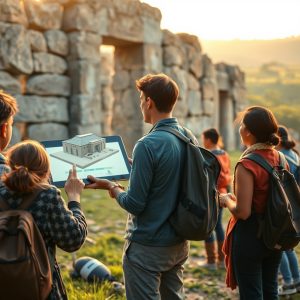
While local storytelling is inherently human, artificial intelligence is emerging as a powerful tool to enhance and personalize these narratives. AI isn’t here to replace the storyteller; rather, it’s here to amplify their voice, making stories more accessible, interactive, and tailored to the traveler’s interests. Imagine walking through the bustling streets of Istanbul with an AI-powered audio guide that doesn’t just recite historical facts but adapts its narrative based on your questions, your pace, and even your mood. Or picture a wellness app that curates a personalized ruqyah session for you, combining traditional healing practices with modern mindfulness techniques, all while sharing the stories of the healers who inspired it.
AI is also making it easier for travelers to discover hidden gems that align with their values. For instance, a Muslim traveler seeking a halal wellness retreat might use an AI-powered platform to find a secluded eco-lodge in the mountains of Oman, where the owners share stories of their Bedouin heritage over organic, locally sourced meals. These platforms can analyze a traveler’s preferences—whether they prioritize sustainability, cultural immersion, or spiritual growth—and recommend experiences that feel tailor-made for them. The result is a travel experience that feels less like a generic itinerary and more like a journey crafted just for you.
The Future of Halal Wellness Tourism: A Blend of Tradition and Innovation
The future of halal wellness tourism lies in its ability to balance tradition with innovation. On one hand, there’s a growing demand for experiences that are rooted in authenticity—places where travelers can disconnect from the digital world and reconnect with themselves and their faith. On the other hand, there’s an opportunity to use technology to make these experiences more accessible, personalized, and impactful. AI can help bridge this gap by acting as a conduit between the traveler and the local storyteller, ensuring that the stories shared are not only heard but felt.
Consider the potential of virtual reality (VR) in halal wellness tourism. While VR might seem at odds with the idea of slow, immersive travel, it can actually serve as a gateway to deeper connections. Imagine putting on a VR headset and being transported to a traditional hammam in Fez, where a local storyteller guides you through the history of the space, the significance of the rituals performed there, and the stories of the people who have visited over the centuries. This virtual experience could inspire travelers to visit the destination in person, armed with a deeper appreciation for its cultural and spiritual significance. Similarly, AI-powered chatbots could provide real-time translations of local stories, making them accessible to travelers from around the world and fostering a sense of global community.
Sustainability and Ethical Considerations
As halal wellness tourism grows, so too does the responsibility to ensure that these experiences are sustainable and ethical. Many travelers in this niche are deeply conscious of their environmental and social impact, and they seek out experiences that align with their values. This is where regenerative travel comes into play—a concept that goes beyond sustainability to actively restore and rejuvenate the places visited. For example, a halal wellness retreat in Malaysia might partner with local communities to source ingredients for their meals, ensuring that the economic benefits of tourism are distributed fairly. Or a glamping site in Morocco might use solar power and water conservation techniques to minimize its environmental footprint while offering guests an immersive experience in the desert’s natural beauty.
Local storytelling plays a crucial role in regenerative travel as well. When travelers hear the stories of the people and places they’re visiting, they develop a deeper sense of responsibility toward them. A traveler who learns about the challenges faced by a local community—whether it’s water scarcity, deforestation, or cultural erosion—is more likely to support initiatives that address these issues. AI can help amplify these stories, connecting travelers with local organizations and projects that align with their values and encouraging them to give back in meaningful ways.
Halal wellness tourism is more than just a niche market; it’s a movement that redefines what it means to travel. It’s about seeking out experiences that nourish the body, mind, and spirit while honoring the traditions and values that make each destination unique. By embracing local storytelling and leveraging the power of AI, this form of travel is evolving into something truly transformative—an experience that doesn’t just take you to a new place but changes the way you see the world. Whether it’s through the quiet wisdom of a local healer, the immersive tales of a VR experience, or the personalized recommendations of an AI guide, the future of halal wellness tourism lies in its ability to connect us to the stories that matter most. And in a world that often feels disconnected, these stories have the power to heal, inspire, and bring us closer together.