The Digital Nomad’s Guide to Regenerative Travel: How Slow Exploration and Local Storytelling Are Healing the Planet

The modern traveler is no longer content with ticking off bucket-list destinations or snapping photos for social media validation. Instead, a growing movement of digital nomads and conscious explorers is embracing regenerative travel—a philosophy that goes beyond sustainability to actively restore and rejuvenate the places they visit. This shift is not just about minimizing harm; it’s about leaving a destination better than you found it, fostering deep connections with local communities, and weaving stories that endure long after the journey ends.
The Rise of Regenerative Travel
Regenerative travel is more than a trend; it’s a response to the environmental and cultural erosion caused by mass tourism. Unlike traditional tourism, which often prioritizes profit over people and places, regenerative travel focuses on healing ecosystems, supporting local economies, and preserving cultural heritage. For digital nomads, who often spend extended periods in one location, this approach offers a way to integrate seamlessly into a community while making a positive impact.
Imagine working remotely from a co-working space in a rural village, where your presence supports local businesses, and your afternoons are spent learning traditional crafts from artisans. Or volunteering with a reforestation project in exchange for a unique, off-the-grid stay. These experiences are not just about travel; they’re about participation, collaboration, and mutual growth.
Slow Travel: The Antidote to Overtourism
At the heart of regenerative travel is the principle of slow exploration. In a world where speed is often equated with efficiency, slow travel encourages a deeper, more meaningful engagement with a destination. It’s about savoring the journey, whether that means spending a month in a single village, learning the local language, or participating in age-old traditions. For digital nomads, this approach aligns perfectly with the flexibility of remote work, allowing them to immerse themselves in a place without the rush of a typical vacation.
Slow travel also reduces the carbon footprint associated with frequent flights and transient stays. By spending more time in fewer places, travelers can form lasting relationships with locals, support small businesses, and contribute to the long-term well-being of the community. It’s a stark contrast to the fleeting, transactional nature of conventional tourism.
The Power of Local Storytelling
No travel experience is complete without the stories that bring a place to life. Local storytelling is the thread that connects travelers to the history, culture, and people of a destination. Whether it’s a guided tour led by a descendant of indigenous communities, a cooking class that reveals the secrets of regional cuisine, or a workshop on traditional textile weaving, these narratives transform travel from a passive activity into an immersive, educational experience.
For regenerative travelers, storytelling is also a tool for preservation. By engaging with local stories, travelers become ambassadors for the places they visit, sharing these tales with others and helping to keep traditions alive. Digital nomads, in particular, can amplify these stories through blogs, social media, and digital content, creating a ripple effect that inspires others to travel more consciously.
Eco-Friendly Accommodations: Where Comfort Meets Consciousness
The rise of regenerative travel has also given birth to a new wave of eco-friendly accommodations. These are not just places to stay; they’re sanctuaries that prioritize sustainability, community engagement, and cultural authenticity. From off-grid eco-lodges powered by renewable energy to glamping sites that blend luxury with environmental stewardship, these accommodations offer travelers a way to minimize their impact while maximizing their connection to the natural world.
Many of these stays also incorporate regenerative practices, such as permaculture gardens, water conservation systems, and partnerships with local conservation projects. For digital nomads, these spaces provide the perfect balance of comfort and purpose, allowing them to work in harmony with their surroundings while contributing to the greater good.
The Role of Technology in Regenerative Travel
While regenerative travel is rooted in slow, mindful exploration, technology plays a crucial role in making these experiences accessible and impactful. AI-powered travel platforms can connect digital nomads with regenerative projects, eco-friendly stays, and local storytellers, ensuring that their travels align with their values. Smart tourism tools, such as carbon footprint calculators and sustainable travel guides, help travelers make informed decisions that benefit both the planet and local communities.
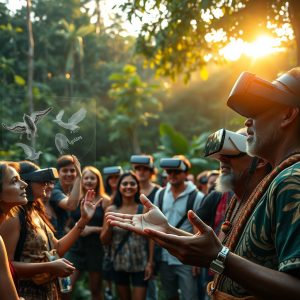
Virtual reality (VR) is also emerging as a tool for regenerative travel, allowing people to experience destinations without the environmental cost of physical travel. While VR can never replace the tactile, sensory experience of being in a place, it can serve as a gateway to deeper, more meaningful travel by inspiring people to visit responsibly and with intention.
Culinary Tourism: A Feast for the Senses and the Soul
Food is one of the most powerful ways to connect with a culture, and culinary tourism is a cornerstone of regenerative travel. By dining at locally owned restaurants, participating in farm-to-table experiences, and learning traditional cooking methods, travelers can support sustainable food systems and preserve culinary heritage. For digital nomads, food becomes a daily opportunity to engage with the community, whether it’s through a shared meal with a local family or a market tour led by a passionate vendor.
Regenerative culinary tourism also emphasizes the importance of ethical sourcing, seasonal eating, and zero-waste practices. These principles not only reduce the environmental impact of travel but also foster a deeper appreciation for the land and the people who cultivate it.
As the world continues to grapple with the consequences of climate change and cultural homogenization, regenerative travel offers a path forward—one that is rooted in respect, reciprocity, and renewal. For digital nomads and conscious explorers, it’s an invitation to redefine what it means to travel, to move beyond the superficial, and to create a legacy of healing, one journey at a time. The stories we collect, the communities we uplift, and the landscapes we restore become the true souvenirs of our adventures, far more valuable than any trinket or photograph. In this way, travel becomes not just a way to see the world, but a way to change it for the better.