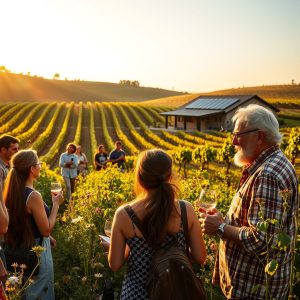
The Whispering Landscapes: How Regenerative Travel and Local Storytelling Are Crafting the Soul of Eco-Friendly Glamping

In a world where travel often feels rushed and disconnected, a quiet revolution is unfolding beneath the stars. Glamping—glamorous camping—has evolved beyond mere luxury in the wild; it is now a gateway to regenerative travel, where every stay leaves the land richer than it was found. This is not just about sleeping in a safari tent or a treehouse with fine linens. It is about immersing yourself in landscapes that whisper their stories, guided by the voices of those who call these places home. Here, sustainability is not an afterthought but the very foundation of the experience, and local storytelling becomes the thread that weaves travelers into the fabric of the destination.
The Rise of Regenerative Glamping
Regenerative travel goes beyond minimizing harm; it actively seeks to restore and revitalize the environments and communities it touches. Glamping destinations are leading this charge by integrating eco-friendly practices that heal the land. Solar-powered lodges, water conservation systems, and zero-waste policies are just the beginning. Some glamping sites are even rewilding their surroundings, reintroducing native plants and wildlife to areas that have been degraded by human activity. These efforts transform glamping from a fleeting escape into a force for ecological renewal.
Take, for example, a glamping retreat nestled in the Scottish Highlands. Here, guests stay in geodesic domes made from sustainable materials, while the surrounding land is being restored to its natural peatland state. The peatlands, once drained for agriculture, are now being rewetted to sequester carbon and revive biodiversity. Travelers don’t just witness this transformation—they become part of it, participating in conservation activities and learning from local ecologists who share the land’s history and its path to recovery.
The Power of Local Storytelling
What sets regenerative glamping apart is its deep connection to local narratives. Unlike mass tourism, which often flattens cultures into commodified experiences, glamping destinations rooted in regenerative principles prioritize authentic storytelling. Guides, hosts, and community members become the storytellers, sharing tales of the land’s past, its struggles, and its resilience. These stories are not just entertainment; they are invitations to see the world through a different lens.
In the red deserts of Australia, a glamping site run by Indigenous custodians offers travelers the chance to hear Dreamtime stories under a canopy of stars. These narratives, passed down through generations, explain the creation of the land and its sacred significance. Guests leave with more than just photographs; they carry with them a deeper understanding of the land’s spiritual and ecological importance. This kind of storytelling fosters respect and responsibility, turning tourists into temporary stewards of the places they visit.
Technology Meets Tradition
While regenerative glamping is deeply rooted in tradition, it also embraces technology to enhance the experience without compromising authenticity. Augmented reality (AR) apps, for instance, can overlay historical images or Indigenous art onto the landscape, allowing travelers to visualize the past while standing in the present. Smart tourism tools, like AI-driven itineraries, can suggest personalized activities that align with both the traveler’s interests and the destination’s regenerative goals. These innovations make it easier for guests to engage meaningfully with the environment and its stories.
At a glamping site in Costa Rica, an AR experience lets visitors see how the rainforest has changed over centuries—from pre-colonial times to the present day. As they walk through the lush greenery, their devices reveal hidden layers of history, from the paths of ancient civilizations to the impact of modern conservation efforts. This blend of technology and tradition creates a richer, more immersive experience that deepens the traveler’s connection to the land.
Glamping as a Catalyst for Community Empowerment
Regenerative glamping is not just about the environment; it is also about the people who call these landscapes home. Many glamping sites are owned and operated by local communities, ensuring that tourism dollars stay within the region and support its economic resilience. These communities often lead the storytelling efforts, sharing their knowledge and traditions with visitors. In doing so, they preserve their cultural heritage while creating new opportunities for future generations.
In the mountains of Peru, a women-led cooperative runs a glamping retreat that offers travelers a glimpse into Andean traditions. Guests learn about ancient agricultural practices, participate in textile weaving workshops, and hear stories of the region’s spiritual beliefs. The income generated from the retreat funds education and healthcare initiatives in the community, creating a cycle of empowerment that extends far beyond the glamping site itself.
The Future of Eco-Friendly Escapes
As travelers increasingly seek experiences that align with their values, regenerative glamping is poised to become a cornerstone of sustainable tourism. These destinations prove that luxury and environmental responsibility are not mutually exclusive; in fact, they can enhance each other. By choosing to stay in eco-friendly accommodations that prioritize regeneration and storytelling, travelers can leave a positive impact on the places they visit.
The next time you find yourself yearning for an escape, consider a glamping experience that goes beyond the ordinary. Seek out destinations where the land is healing, where stories are shared with intention, and where every stay contributes to a brighter future. In these whispering landscapes, you’ll discover that the most luxurious travel experiences are not those that take from the earth, but those that give back to it. Here, the true essence of adventure is not just in the journey, but in the legacy you leave behind.