The Whispering Forests: How Glamping and Regenerative Travel Are Crafting the Future of Eco Experiential Storytelling

The modern traveler is no longer satisfied with mere sightseeing. They crave something deeper—a connection to the land, its stories, and the people who have shaped it. This shift has given rise to a new kind of journey, one where luxury and sustainability intertwine, and where every experience is an invitation to listen, learn, and leave a place better than you found it. At the heart of this movement lies the fusion of glamping and regenerative travel, two trends that are redefining what it means to explore the world responsibly and meaningfully.
The Rise of Glamping: Where Comfort Meets Consciousness
Gone are the days when roughing it in the wilderness meant sacrificing comfort. Glamping—glamorous camping—has emerged as a bridge between the raw beauty of nature and the refined experiences travelers desire. Picture this: waking up in a transparent geodesic dome, the first light of dawn filtering through the forest canopy as birdsong fills the air. Or perhaps it’s a safari tent perched on a cliffside, where the only sounds are the distant crash of waves and the crackle of a fire beneath a sky ablaze with stars. These aren’t just places to stay; they’re sanctuaries designed to immerse you in the environment while treading lightly upon it.
What sets glamping apart from traditional luxury resorts is its commitment to sustainability. Many glamping sites are built with eco-friendly materials, powered by renewable energy, and designed to minimize their environmental footprint. Some even go a step further, integrating regenerative practices that actively restore the land. Imagine staying in a yurt constructed from reclaimed wood, where the water you use is harvested from rain, and the food on your plate is grown in an on-site permaculture garden. This is luxury reimagined—where every detail is curated not just for comfort, but for the planet’s well-being.
Regenerative Travel: Healing the Land, One Journey at a Time
Regenerative travel is more than just a buzzword; it’s a philosophy that challenges the traditional notion of sustainable tourism. While sustainability focuses on minimizing harm, regenerative travel seeks to actively heal and revitalize the destinations we visit. It’s about leaving a place not just as you found it, but better—restoring ecosystems, supporting local economies, and preserving cultural heritage in ways that endure long after you’ve left.
This approach is particularly powerful when paired with glamping. Many regenerative glamping sites are located in areas that have been degraded by over-tourism, deforestation, or industrialization. By choosing to stay in these places, travelers become part of the solution. For example, some glamping retreats in Costa Rica are situated on former cattle ranches that have been transformed into thriving wildlife corridors. Guests can participate in reforestation efforts, learn about native species, and even help monitor the return of biodiversity. It’s a hands-on way to witness the impact of regenerative practices firsthand.
The Power of Storytelling in Eco Experiential Travel
What truly elevates glamping and regenerative travel from mere trends to transformative experiences is the role of storytelling. Every destination has a narrative—whether it’s the indigenous wisdom of the land, the history of its people, or the ecological challenges it faces. Glamping sites that embrace storytelling create a deeper connection between travelers and the places they visit. Imagine gathering around a fire with a local guide who shares tales of the forest’s spirits, or participating in a workshop where artisans teach you the ancient craft of weaving with fibers harvested from the land. These moments turn a trip into a journey of discovery, where every experience is a thread in the larger tapestry of the destination’s story.
Some glamping retreats take this a step further by offering immersive storytelling tours. In Scotland, for instance, you might stay in a bothy (a traditional Highland shelter) and embark on a guided hike where your host recounts the legends of the glen, pointing out hidden ruins and sharing the folklore of the land. In Peru, a glamping stay near Machu Picchu could include a visit to a local Quechua community, where elders share their knowledge of Andean agriculture and the spiritual significance of the mountains. These experiences don’t just inform—they inspire a sense of stewardship, making travelers more invested in the preservation of the places they visit.
Hidden Gems: The Future of Eco Experiential Travel
One of the most exciting aspects of glamping and regenerative travel is their ability to shine a light on hidden gem destinations. These are the places that have been overlooked by mass tourism, often because they lack the infrastructure to support large crowds. But for the intrepid traveler, these are the spots where the magic happens—where you can experience the untouched beauty of a landscape, the warmth of a community untouched by commercialization, and the thrill of discovery.
Take, for example, the remote glamping sites of Patagonia, where travelers can stay in domes overlooking the turquoise waters of Lago Pehoé or the jagged peaks of Torres del Paine. These retreats are often run by local families who have lived in the region for generations, offering guests a chance to learn about the area’s history, ecology, and culture. Or consider the glamping experiences in the Scottish Highlands, where you can stay in a cozy bothy and explore the wild, windswept landscapes that inspired poets and warriors alike. These destinations are not just places to visit; they’re places to connect with, to protect, and to celebrate.
Technology’s Role in Crafting Immersive Journeys
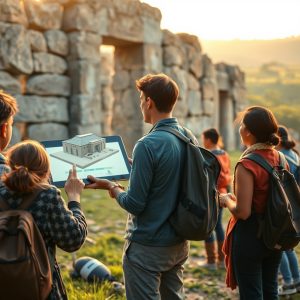
While glamping and regenerative travel are deeply rooted in nature and tradition, technology is playing an increasingly important role in enhancing these experiences. Smart tourism tools, such as AI-driven travel planners, can help travelers discover hidden gem destinations and regenerative glamping sites that align with their values. Augmented reality (AR) and virtual reality (VR) are also being used to deepen the storytelling aspect of travel. Imagine donning a VR headset at a glamping site and being transported back in time to witness the history of the land, or using AR to identify the native plants and animals around you as you explore.
Technology is also making it easier for travelers to measure their impact. Some glamping sites now offer apps that track your carbon footprint, water usage, and even the amount of waste you generate during your stay. This data can be used to make more informed choices, both during your trip and in your daily life. It’s a way to turn travel into a force for good, where every decision is an opportunity to support the planet.
The future of travel is not about escaping the world, but about engaging with it in a way that is mindful, meaningful, and regenerative. Glamping and regenerative travel offer a blueprint for how we can explore the planet without exploiting it, how we can seek comfort without compromising our values, and how we can create memories that enrich both our lives and the places we visit. As more travelers embrace this approach, the line between luxury and sustainability will continue to blur, giving rise to a new era of experiential travel—one where every journey is a story, and every story has the power to change the world.