The Silent Revolution: How Virtual Reality and Local Storytelling Are Redefining Sustainable Solo Travel

The world of travel is undergoing a quiet but profound transformation. No longer confined to guidebooks or crowded tourist hotspots, modern explorers are seeking deeper connections—with places, people, and even themselves. At the heart of this shift lies the fusion of cutting-edge technology and age-old storytelling, creating experiences that are as enriching for the soul as they are gentle on the planet. For solo travelers, this evolution is particularly liberating, offering a way to explore the world with intention, curiosity, and a lighter footprint.
The Rise of Immersive Storytelling in Travel
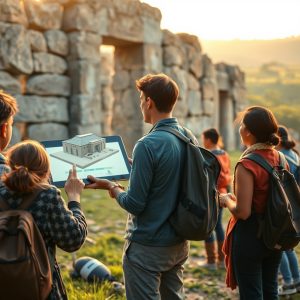
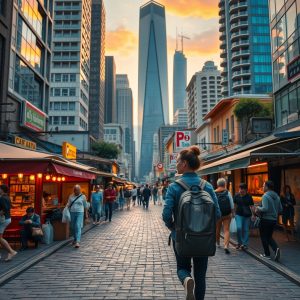
Local storytelling has always been the lifeblood of authentic travel. It’s the elderly shopkeeper sharing tales of a neighborhood’s history, the farmer explaining the rituals behind a traditional dish, or the artisan demonstrating centuries-old craftsmanship. These narratives breathe life into destinations, transforming them from mere backdrops into living, breathing entities. Today, technology is amplifying these stories in ways previously unimaginable. Virtual reality (VR) and augmented reality (AR) are allowing travelers to step into the past, witnessing historical events or cultural traditions as if they were there. Imagine standing in a quiet alley in Kyoto while a VR headset transports you to the Edo period, or walking through a modern-day market in Marrakech while an AR overlay reveals the layers of trade and migration that shaped its flavors.
For solo travelers, these immersive experiences are especially powerful. Without the buffer of companions, they’re more open to engaging with their surroundings—and with the people who call these places home. Storytelling becomes a bridge, fostering connections that might otherwise remain untapped. It’s no longer about ticking off landmarks; it’s about understanding the heartbeat of a place and leaving with memories that resonate long after the journey ends.
Virtual Reality: A Gateway to Responsible Exploration
One of the most exciting developments in sustainable travel is the role of virtual reality as a tool for responsible exploration. VR can serve as a preview, allowing travelers to “visit” a destination before committing to a physical trip. This not only helps in planning but also reduces the risk of over-tourism by encouraging visits to lesser-known locations. For instance, a solo traveler might use VR to explore the remote villages of Bhutan, gaining a sense of their culture and landscapes before deciding to embark on a low-impact trek. By the time they arrive, they’re not just a visitor—they’re a participant in the story of the place.
Moreover, VR can bring inaccessible or fragile destinations to life without the environmental cost. The melting glaciers of Patagonia, the ancient ruins of Machu Picchu, or the delicate ecosystems of the Galápagos Islands can be experienced in stunning detail, raising awareness about their preservation. For solo travelers, this creates a sense of global citizenship, where exploration and conservation go hand in hand. It’s a reminder that travel isn’t just about what we take from a place, but what we give back.
The Digital Nomad’s Dilemma: Balancing Connection and Sustainability
The rise of digital nomadism has introduced a new dynamic to solo travel. While working remotely offers unparalleled freedom, it also raises questions about the sustainability of long-term stays in popular destinations. Here, local storytelling and VR can play a pivotal role in guiding nomads toward more regenerative choices. Platforms that highlight the stories of local communities—such as co-working spaces run by indigenous groups or eco-lodges that support conservation—can help nomads align their work with their values. VR can also be used to scout off-the-beaten-path locations, reducing the strain on over-visited cities while uncovering hidden gems that benefit from mindful tourism.
For example, a digital nomad might use VR to explore the lush landscapes of Colombia’s Coffee Region, learning about the farmers’ sustainable practices before choosing to base themselves there. By integrating local narratives into their decision-making, nomads can become stewards of the places they inhabit, even temporarily. It’s a shift from passive consumption to active participation, where every stay leaves a positive imprint.
Crafting a New Narrative for Solo Travel
The fusion of virtual reality and local storytelling is redefining what it means to travel alone. No longer is solo travel synonymous with isolation; instead, it’s an opportunity for deeper engagement, both with the world and with oneself. VR can act as a catalyst, sparking curiosity and empathy, while storytelling ensures that the journey is rooted in authenticity. Together, they create a travel experience that is as transformative as it is sustainable.
As technology continues to evolve, so too will the ways we explore. But the core of travel remains unchanged: it’s about connection. Whether through the lens of a VR headset or the words of a local storyteller, the most meaningful journeys are those that leave us with a sense of wonder—and a desire to protect the places that inspire us. For solo travelers, this is the ultimate gift: the chance to wander without leaving a trace, to explore without exploiting, and to return home not just with photographs, but with stories that shape who they are.