The Whispering Trails of Transformation: How Regenerative Travel and Culinary Storytelling Are Crafting the Future of Immersive Eco Experiential Journeys

In a world where travel has often been reduced to a checklist of landmarks and selfie stops, a quiet revolution is unfolding—one that invites us to slow down, listen deeply, and reconnect with the land and its people. This is the essence of regenerative travel, a movement that goes beyond sustainability to actively restore and rejuvenate the places we visit. At its heart lies culinary storytelling, a powerful medium that weaves together tradition, flavor, and the untold narratives of communities. Together, they are crafting a new kind of journey, one that nourishes both the traveler and the destination.
The Philosophy of Regenerative Travel
Regenerative travel is not just about minimizing harm; it’s about leaving a place better than you found it. It’s a shift from the extractive mindset of traditional tourism to one of reciprocity, where travelers become participants in the healing and flourishing of ecosystems, cultures, and economies. This approach is rooted in the belief that travel should be a force for good, fostering resilience in communities and landscapes alike. Whether it’s through reforestation projects, supporting local artisans, or engaging in conservation efforts, regenerative travel asks us to consider the long-term impact of our presence.
Imagine wandering through a vineyard in Tuscany, not just to taste wine, but to learn how the vines are nurtured using ancient techniques that enrich the soil. Or picture yourself in a small village in Bali, where a homestay owner shares how their family’s rice paddies are part of a larger effort to restore traditional irrigation systems. These experiences are not just about observation—they’re about active engagement, where every meal, every conversation, and every step becomes an opportunity to contribute to something greater.
The Power of Culinary Storytelling
Food is more than sustenance; it’s a language that speaks of history, culture, and identity. Culinary storytelling harnesses this language to create immersive experiences that transcend the plate. It’s about the grandmother in Oaxaca who teaches you to make mole from a recipe passed down through generations, or the fisherman in Kerala who shares how his family’s livelihood is tied to the rhythms of the monsoon. These stories transform a meal into a journey, connecting you to the land and its people in ways that guidebooks never could.
In regenerative travel, culinary storytelling becomes a tool for preservation and empowerment. By centering local voices and traditions, it ensures that the economic benefits of tourism flow back into the community. For example, a cooking class in Marrakech might support a women’s cooperative, or a farm-to-table dinner in Peru could fund educational programs for local children. These experiences don’t just feed the body—they nourish the soul of the place, ensuring that its stories and flavors endure for generations to come.
Where Regeneration Meets the Plate
The intersection of regenerative travel and culinary storytelling is where the magic happens. Take, for instance, the rise of agroecological farms that double as immersive travel experiences. In Costa Rica, travelers can stay on a regenerative farm where they learn to harvest cacao, ferment beans, and craft chocolate—all while contributing to reforestation efforts. The experience is as much about understanding the ecological impact of food production as it is about savoring the final product.
Similarly, in Japan, some ryokans (traditional inns) have begun offering experiences that highlight the principles of satoyama, a philosophy of living in harmony with nature. Guests might forage for wild herbs, learn to prepare seasonal dishes, and hear stories about how these practices have sustained rural communities for centuries. These experiences don’t just educate—they inspire a deeper appreciation for the interconnectedness of food, culture, and the environment.
The Role of Technology in Amplifying Stories
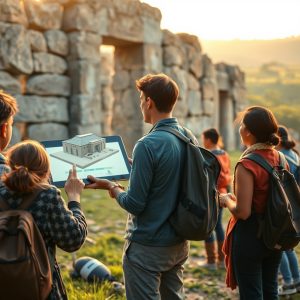
While regenerative travel is deeply rooted in human connection, technology is playing an increasingly important role in amplifying these stories. Augmented reality (AR) and virtual reality (VR) are being used to create immersive previews of destinations, allowing travelers to virtually walk through a regenerative farm or participate in a cooking class before they even book their trip. This not only builds anticipation but also helps travelers make more informed, intentional choices about where and how they spend their time and money.
AI-driven platforms are also emerging to connect travelers with local storytellers and regenerative experiences. Imagine an app that curates a personalized itinerary based on your interests, matching you with a fisherman in Sicily who offers a boat tour followed by a seafood feast, or a beekeeper in Slovenia who shares the secrets of sustainable honey production. These tools make it easier than ever to step off the beaten path and into the heart of a community.
The Future of Immersive Eco Experiential Journeys
The future of travel lies in experiences that are as enriching for the destination as they are for the traveler. Regenerative travel and culinary storytelling are leading the way, offering a blueprint for how we can explore the world with curiosity, respect, and a commitment to leaving it better than we found it. These journeys are not about ticking off bucket-list items; they’re about forging meaningful connections, learning from the wisdom of local communities, and savoring the flavors of a place in a way that honors its past and sustains its future.
As more travelers seek out these immersive, eco-conscious experiences, the industry is evolving to meet the demand. Hotels are adopting zero-waste policies, tour operators are partnering with conservationists, and chefs are sourcing ingredients from regenerative farms. The result is a travel landscape that is more authentic, more responsible, and more transformative than ever before. It’s a reminder that the most memorable journeys are not measured in miles traveled, but in the stories shared, the lessons learned, and the positive impact left behind. Every bite, every conversation, and every step becomes a thread in the tapestry of a place, weaving together a future where travel is not just about seeing the world, but about helping it thrive.