The Silent Revolution: How Regenerative Travel and Local Storytelling Are Transforming Hidden Gem Destinations into Living Classrooms

In an era where mass tourism often leaves destinations overcrowded and ecosystems strained, a quieter revolution is unfolding—one that prioritizes healing over exploitation, connection over consumption, and depth over speed. Regenerative travel, a philosophy that seeks not just to minimize harm but to actively restore and revitalize places, is reshaping how we explore the world. At its heart lies local storytelling, a powerful tool that transforms hidden gem destinations into living classrooms where travelers don’t just visit, but participate in the ongoing narrative of a place.
The Philosophy of Regenerative Travel
Regenerative travel goes beyond sustainability’s “do no harm” ethos. It asks travelers to leave a destination better than they found it—whether by supporting conservation efforts, engaging in community-led projects, or contributing to the preservation of cultural heritage. This approach is rooted in the belief that tourism should be a force for good, one that regenerates ecosystems, economies, and communities. For instance, in Costa Rica’s Osa Peninsula, eco-lodges collaborate with local farmers to reforest degraded lands, turning visitors into stewards of the environment. Similarly, in Portugal’s Alentejo region, regenerative vineyards invite travelers to participate in grape harvesting, blending culinary tourism with hands-on conservation.
Why Hidden Gems Are the Perfect Canvas
Hidden gem destinations—those lesser-known locales often bypassed by mainstream tourism—are ideal for regenerative travel. Unlike over-touristed hotspots, these places retain their authenticity, offering travelers a chance to engage deeply with local cultures and landscapes. Take the remote villages of Georgia’s Caucasus Mountains, where homestays and guided storytelling tours immerse visitors in centuries-old traditions while funding community development. Or the coral reefs of Indonesia’s Raja Ampat, where marine conservation programs invite divers to help restore fragile ecosystems. These destinations prove that regenerative travel isn’t about sacrifice; it’s about discovering richness in places that have yet to be commodified.
The Power of Local Storytelling
Storytelling is the thread that weaves regenerative travel together. It turns passive sightseeing into active learning, fostering empathy and understanding between travelers and hosts. In Japan’s Tohoku region, survivors of the 2011 tsunami lead tours that share their personal stories of resilience, transforming tragedy into a lesson in community strength. Meanwhile, in South Africa’s Cape Winelands, descendants of enslaved laborers guide visitors through vineyards, recounting histories often erased from conventional tourism narratives. These experiences don’t just educate—they inspire travelers to become advocates for the places they visit.
Technology as an Enabler, Not a Replacement
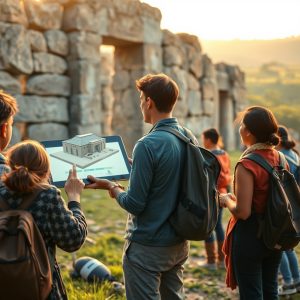
While regenerative travel emphasizes human connection, technology plays a supporting role in amplifying local voices. Augmented reality (AR) apps, for example, can overlay historical narratives onto physical landscapes, allowing travelers to witness the evolution of a place in real time. In Italy’s Matera, an ancient cave city, AR tours bring to life the stories of the families who once lived in its labyrinthine dwellings. Similarly, AI-driven platforms like Local Voices connect travelers with indigenous guides, ensuring that tourism dollars flow directly to those who safeguard cultural heritage. These tools don’t replace authentic experiences—they enhance them, making regenerative travel more accessible and impactful.
Crafting Your Own Regenerative Journey
Embracing regenerative travel doesn’t require grand gestures. It starts with small, intentional choices: opting for eco-friendly accommodations that prioritize renewable energy, supporting businesses owned by locals, or participating in a community-led workshop. In Bhutan, travelers can join homestay networks that fund education and healthcare in rural villages. In Mexico’s Yucatán Peninsula, cenote tours led by Maya guides offer insights into sacred waterways while supporting conservation efforts. The key is to seek out experiences that invite collaboration, not just observation.
As the world grapples with the consequences of overtourism and climate change, regenerative travel offers a path forward—one where every journey becomes an opportunity to give back. It’s a reminder that the most meaningful adventures aren’t measured in miles traveled, but in the connections forged and the positive change left behind. Whether it’s through the stories we listen to, the hands we lend, or the landscapes we help restore, regenerative travel invites us to be part of something larger than ourselves. And in doing so, it redefines what it means to explore the world.