
The Hidden Gems of Eco-Friendly Accommodations: Where Sustainability Meets Unforgettable Stays
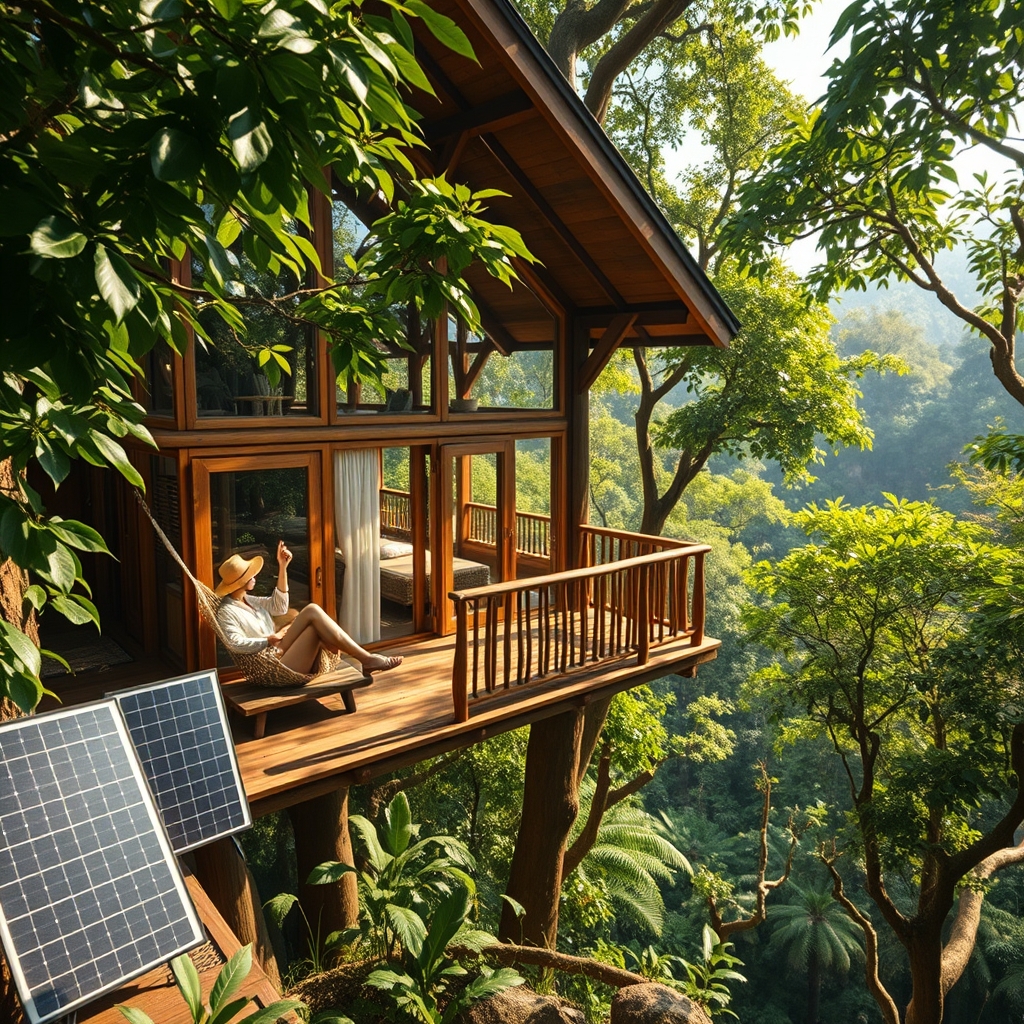
In an era where travel is no longer just about ticking off bucket-list destinations but about forging meaningful connections with the places we visit, eco-friendly accommodations have emerged as the unsung heroes of sustainable tourism. These havens are not just places to rest your head—they are gateways to immersive experiences that respect the environment, support local communities, and redefine what it means to travel responsibly. From secluded treehouses nestled in ancient forests to off-grid lodges powered by renewable energy, the world of eco-friendly stays is as diverse as it is inspiring.
The Philosophy Behind Eco-Friendly Accommodations
At the heart of eco-friendly accommodations lies a simple yet powerful philosophy: travel should give back as much as it takes. Unlike conventional hotels that prioritize luxury at the expense of the environment, these establishments are designed to minimize their ecological footprint while maximizing their positive impact. This means using sustainable materials, harnessing renewable energy sources, implementing water conservation systems, and often, integrating seamlessly into the natural landscape rather than dominating it.
But sustainability isn’t just about the physical infrastructure—it’s also about the ethos. Many eco-friendly accommodations are deeply rooted in their local communities, employing residents, sourcing food locally, and offering guests opportunities to engage in cultural exchanges or conservation efforts. This approach transforms a stay into a holistic experience, where travelers don’t just observe a destination but become a part of its story.
Beyond the Obvious: Unconventional Eco Stays
When most people think of eco-friendly accommodations, images of solar-powered cabins or bamboo huts might come to mind. While these are certainly part of the picture, the world of sustainable stays is far more creative and unexpected. Imagine spending the night in a repurposed shipping container on a remote beach, where the sound of waves lulls you to sleep under a blanket of stars. Or perhaps a stay in a floating eco-lodge on a pristine lake, where the only disruption to the silence is the occasional ripple of water against the dock.
For those seeking adventure, there are accommodations that double as conservation hubs. In Costa Rica, for example, some eco-lodges offer guests the chance to participate in sea turtle conservation programs, where they can help protect nests or release hatchlings into the ocean. In Kenya, certain safari camps are built with sustainability in mind, using solar power and rainwater harvesting while also funding anti-poaching initiatives. These stays don’t just offer a place to sleep—they offer a chance to make a difference.
The Rise of Glamping with a Conscience
Glamping, or glamorous camping, has taken the travel world by storm, but not all glamping experiences are created equal. The most compelling ones are those that blend luxury with sustainability, offering high-end comforts without compromising on environmental values. Picture a transparent bubble tent in the middle of a desert, where you can stargaze from the comfort of a plush bed, or a geodesic dome in the mountains, where the only heating comes from a wood-fired stove and the walls are insulated with natural materials.
What sets these glamping destinations apart is their commitment to leaving no trace. Many use composting toilets, biodegradable toiletries, and locally sourced, organic meals. Some even go a step further by offering wellness programs that incorporate local traditions, such as yoga retreats in Bali or meditation sessions in the Peruvian Andes. These experiences cater to travelers who want to indulge in luxury while staying true to their eco-conscious values.
How Technology is Enhancing Eco-Friendly Stays
While eco-friendly accommodations are often associated with a return to simplicity, technology is playing an increasingly important role in making these stays more sustainable and enjoyable. Smart thermostats, energy-efficient lighting, and water-saving fixtures are just the beginning. Some properties are now using AI to optimize energy consumption, adjusting heating, cooling, and lighting based on occupancy and weather conditions. Others are leveraging apps to provide guests with real-time information about their environmental impact, such as their water or energy usage during their stay.
Virtual reality (VR) is also making its way into the world of eco-friendly accommodations, albeit in unexpected ways. Some lodges offer VR experiences that allow guests to explore the surrounding ecosystem without disturbing it—think virtual dives in coral reefs or guided tours of protected forests. This not only enhances the guest experience but also serves as an educational tool, fostering a deeper appreciation for the natural world.
Local Storytelling: The Soul of Eco-Friendly Stays
One of the most compelling aspects of eco-friendly accommodations is their ability to connect travelers with the stories of the places they visit. Unlike mass-market hotels, which often feel interchangeable, these stays are deeply tied to their locations, offering guests a chance to learn about local history, traditions, and challenges. Many properties collaborate with local storytellers, historians, or artisans to create immersive experiences, such as guided walks through ancient ruins, workshops on traditional crafts, or cooking classes featuring indigenous ingredients.
In Portugal, for example, some eco-lodges offer tours led by local shepherds, who share their knowledge of the land and its flora and fauna. In Japan, certain ryokans (traditional inns) have embraced sustainability while preserving centuries-old customs, such as serving kaiseki meals made with locally foraged ingredients. These experiences turn a simple stay into a journey of discovery, where every detail—from the architecture to the food—tells a story.
The Future of Eco-Friendly Accommodations
As travelers become more conscious of their impact on the planet, the demand for eco-friendly accommodations is only set to grow. But the future of these stays isn’t just about scaling up—it’s about innovating. Regenerative travel, which goes beyond sustainability to actively restore ecosystems and communities, is gaining traction. Some accommodations are now focusing on rewilding projects, where guests can participate in reforestation efforts or wildlife conservation programs. Others are exploring circular economy models, where waste is repurposed into resources, such as turning food scraps into compost or using recycled materials for construction.
There’s also a growing trend toward community-led tourism, where local residents take the reins in designing and managing accommodations. This not only ensures that tourism benefits the people who call these places home but also creates more authentic and meaningful experiences for visitors. In the end, the most successful eco-friendly accommodations will be those that strike a balance between innovation and tradition, luxury and simplicity, and global appeal and local roots.
Choosing to stay in an eco-friendly accommodation is more than just a booking decision—it’s a statement about the kind of traveler you want to be. It’s about recognizing that every journey has an impact, and that the choices we make can either deplete or enrich the world around us. Whether it’s a night in a treehouse, a week in a floating eco-lodge, or a month in a community-run retreat, these stays offer a reminder that travel, at its best, is a force for good. They invite us to slow down, connect, and leave a place better than we found it, one unforgettable stay at a time.