The Digital Nomad Revolution: How Slow Travel and Smart Tourism Are Shaping the Future of Work and Exploration
The modern traveler is no longer confined to the rigid structures of traditional tourism. With the rise of remote work and a growing desire for meaningful experiences, a new paradigm has emerged—one that blends the freedom of exploration with the demands of a digital lifestyle. At the heart of this shift lies the digital nomad, a traveler who leverages technology to work from anywhere while embracing the principles of slow travel and smart tourism. This movement is not just redefining how we explore the world but also how we live, work, and connect with local cultures.
The Digital Nomad Lifestyle: Freedom Meets Responsibility
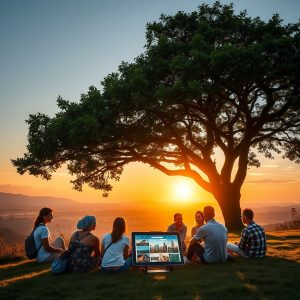
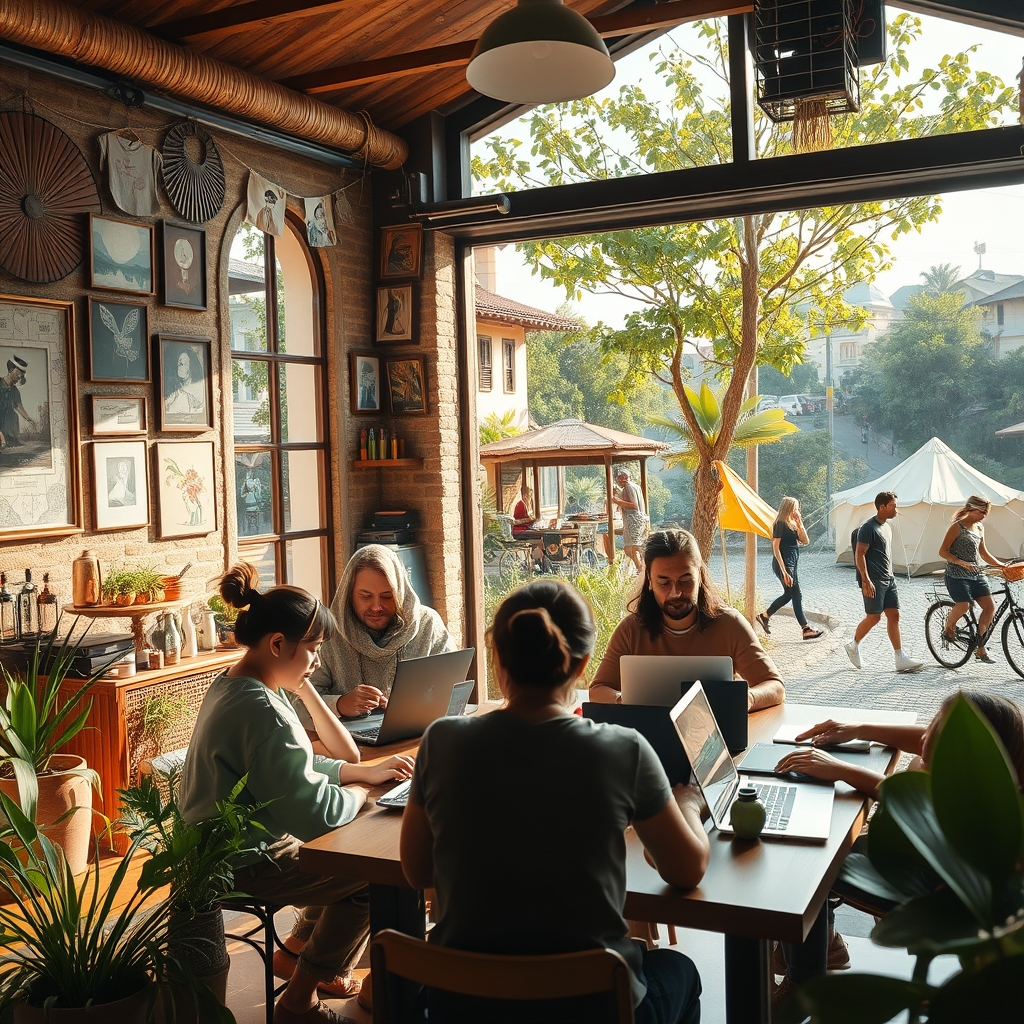
The digital nomad phenomenon has gained momentum in recent years, fueled by advancements in technology and a cultural shift toward flexible work arrangements. Unlike traditional tourists, digital nomads often stay in destinations for weeks or even months, immersing themselves in local communities rather than rushing through attractions. This extended stay model aligns perfectly with the principles of slow travel, which prioritizes depth over speed, authenticity over convenience, and sustainability over mass tourism.
However, this lifestyle is not without its challenges. Digital nomads must navigate visa regulations, time zone differences, and the logistics of remote work while ensuring their presence benefits—rather than burdens—the communities they visit. Smart tourism technologies, such as AI-powered travel planning tools and digital platforms for local experiences, have become essential in helping nomads strike this balance. These tools enable them to find eco-friendly accommodations, support local businesses, and minimize their environmental footprint, all while maintaining productivity.
Slow Travel: The Art of Intentional Exploration
Slow travel is more than just a trend; it’s a philosophy that encourages travelers to engage deeply with their surroundings. By spending extended periods in a single destination, slow travelers can uncover hidden gems, forge meaningful connections with locals, and gain a nuanced understanding of the culture. This approach contrasts sharply with the fast-paced, checklist-style tourism that often leaves travelers feeling disconnected and overwhelmed.
For digital nomads, slow travel is not just a preference but a necessity. The ability to work remotely allows them to adopt a pace that aligns with their personal and professional goals. Whether it’s spending a month in a coastal village, volunteering with local conservation projects, or participating in culinary tourism by learning traditional recipes from a local chef, slow travel fosters a sense of belonging and purpose that is often missing in conventional tourism.
Smart Tourism: Technology as a Catalyst for Sustainable Exploration
Smart tourism leverages technology to enhance the travel experience while promoting sustainability and efficiency. For digital nomads, this means using AI-driven platforms to plan itineraries, book eco-friendly accommodations, and discover off-the-beaten-path destinations. These tools not only streamline the logistics of travel but also help nomads make informed decisions that align with their values, such as supporting regenerative travel initiatives or choosing accommodations with strong sustainability credentials.
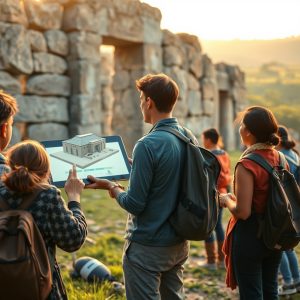
One of the most exciting developments in smart tourism is the integration of virtual reality (VR) and augmented reality (AR) into the travel experience. While VR can provide immersive previews of destinations, helping travelers make more sustainable choices, AR enhances on-the-ground exploration by overlaying digital information onto physical spaces. For example, an AR app might provide historical context for a cultural heritage site or highlight local businesses that prioritize ethical practices. These technologies empower travelers to engage more deeply with their surroundings while minimizing their impact on the environment.
The Role of Eco-Friendly Accommodations and Local Storytelling
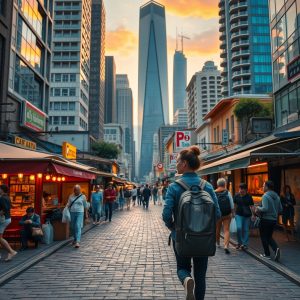
As digital nomads and slow travelers seek out destinations that align with their values, the demand for eco-friendly accommodations has surged. From glamping sites powered by renewable energy to urban co-living spaces designed with sustainability in mind, these accommodations offer more than just a place to stay—they provide a gateway to responsible travel. Many of these spaces also incorporate local storytelling tours, where travelers can learn about the history, traditions, and challenges of the community from those who know it best.
Local storytelling is a powerful tool for fostering cultural exchange and promoting sustainable tourism. By centering the narratives of residents, these tours shift the focus away from mass tourism’s often superficial experiences and toward authentic, immersive encounters. For digital nomads, participating in these tours can deepen their connection to a place, transforming a temporary stay into a meaningful chapter in their journey.
The Future of Travel: A Blend of Innovation and Tradition
The convergence of digital nomadism, slow travel, and smart tourism is creating a new era of exploration—one that values flexibility, sustainability, and cultural immersion. As technology continues to evolve, travelers will have even more tools at their disposal to explore the world responsibly. Yet, the essence of this movement lies not in the gadgets or platforms but in the mindset it fosters: a commitment to traveling with intention, respect, and a desire to leave a positive impact.
This shift is not just about where we go but how we choose to experience the world. By embracing the principles of slow travel, leveraging smart tourism technologies, and seeking out eco-friendly and culturally rich experiences, modern travelers can redefine what it means to explore. The journey is no longer just about the destination; it’s about the connections we make, the stories we share, and the legacy we leave behind. In this way, the digital nomad revolution is not just changing how we travel—it’s reshaping how we live.