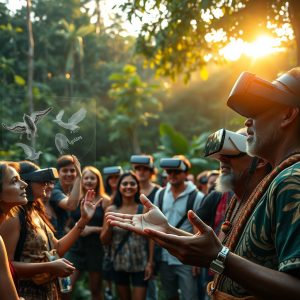
The Digital Nomad’s Guide to Slow Travel: How Technology and Mindful Exploration Are Redefining Work and Wanderlust

The modern world has blurred the lines between work and leisure, giving rise to a new breed of traveler: the digital nomad. No longer confined to office walls, these location-independent professionals are redefining what it means to explore the world while earning a living. But as the digital nomad lifestyle gains momentum, a counter-movement is emerging—one that prioritizes depth over speed, connection over convenience, and sustainability over fleeting experiences. This is the era of slow travel, where technology and mindfulness converge to create a more intentional way of wandering.
The Digital Nomad Paradox: Speed vs. Presence
Digital nomads are often associated with rapid movement—jumping from one exotic location to another, chasing the next Instagram-worthy backdrop while maintaining a remote workload. Yet, this fast-paced approach can lead to burnout, superficial connections, and a disconnect from the places they visit. Enter slow travel, a philosophy that encourages longer stays, deeper immersion, and a focus on quality over quantity. By embracing this mindset, digital nomads can transform their journeys from mere escapism into meaningful, regenerative experiences.
Technology plays a dual role in this shift. On one hand, tools like AI-powered travel planners, coworking space apps, and digital payment systems make it easier than ever to work from anywhere. On the other, these same innovations can help nomads slow down—whether by discovering hidden gem destinations off the beaten path, connecting with local storytellers for authentic cultural exchanges, or booking eco-friendly accommodations that align with their values. The key lies in using technology not as a crutch for constant motion, but as a bridge to deeper engagement.
How Smart Tourism Enhances Slow Travel
The concept of smart tourism—where data, AI, and digital platforms optimize travel experiences—is often associated with efficiency. However, when applied to slow travel, it can foster a more mindful approach. For example, AI-driven itinerary planners can suggest local storytelling tours that reveal a destination’s history through the voices of its residents, rather than generic tourist attractions. Similarly, apps that highlight regenerative travel initiatives can help nomads support businesses that give back to the environment and local communities.
Another way smart tourism enhances slow travel is through bleisure travel—the blending of business and leisure. Digital nomads can extend their stays in a single location, using technology to balance work commitments with immersive exploration. Imagine spending a month in a coastal village, working remotely during the week while participating in community-led conservation projects on weekends. This approach not only reduces the carbon footprint of constant travel but also allows for a richer, more authentic connection to the place.
The Role of Eco-Friendly Accommodations in Mindful Exploration
Where you stay matters just as much as how you travel. Eco-friendly accommodations—from off-grid glamping sites to solar-powered boutique hotels—are becoming the preferred choice for digital nomads who prioritize sustainability. These spaces often double as hubs for wellness tourism, offering yoga retreats, farm-to-table dining, and digital detox programs that encourage travelers to unplug and recharge.
For those seeking a deeper connection to nature, glamping destinations provide the perfect balance of comfort and immersion. Picture waking up in a luxury safari tent surrounded by untouched wilderness, with no Wi-Fi signal to distract from the sounds of the forest. These experiences remind us that slow travel isn’t just about staying longer in one place—it’s about being fully present in the moment.
Local Storytelling: The Heart of Immersive Travel
No amount of technology can replace the human element of travel. Local storytelling tours offer digital nomads a chance to engage with a destination’s culture in a way that guidebooks and Google searches never could. Whether it’s a guided walk through a historic neighborhood led by a descendant of its original inhabitants or a cooking class taught by a third-generation chef, these experiences create lasting memories and foster cross-cultural understanding.
Platforms like Airbnb Experiences and Withlocals have made it easier than ever to connect with local hosts, but the true magic happens when travelers seek out stories that aren’t part of the mainstream narrative. Hidden gem destinations often hold the most compelling tales—stories of resilience, tradition, and transformation that challenge our perceptions of the world.
The Future of Work and Wanderlust
As the digital nomad movement evolves, so too does the definition of meaningful travel. The future lies not in checking off bucket-list destinations, but in cultivating a deeper relationship with the places we visit. By embracing slow travel, leveraging smart tourism tools responsibly, and seeking out immersive, regenerative experiences, digital nomads can redefine what it means to work and wander. The goal isn’t just to see the world, but to leave it a little better than we found it—one mindful journey at a time.
The beauty of this approach is that it doesn’t require grand gestures or expensive retreats. It starts with a simple shift in perspective: slowing down, listening to the stories around us, and allowing ourselves to be transformed by the places we call home—even if just for a little while. In a world that moves at breakneck speed, perhaps the most revolutionary act is to pause, breathe, and truly arrive.