The Future of Wellness Tourism: How Eco-Friendly Retreats and Smart Tech Are Redefining Self-Care

Wellness tourism is no longer just about luxury spas and yoga retreats—it’s evolving into a holistic movement that blends sustainability, technology, and immersive experiences. As travelers seek deeper connections with themselves and the planet, destinations are responding with eco-friendly accommodations, AI-driven personalization, and regenerative practices that nourish both body and environment. This shift is redefining what it means to travel for well-being, making it more accessible, intentional, and impactful than ever before.
The Rise of Eco-Friendly Wellness Retreats
Gone are the days when wellness tourism was synonymous with energy-guzzling resorts and disposable amenities. Today’s travelers are prioritizing retreats that align with their values, opting for eco-friendly accommodations built with sustainable materials, powered by renewable energy, and designed to minimize waste. From off-grid glamping destinations in Costa Rica to zero-waste yoga ashrams in Bali, these retreats offer more than just relaxation—they provide a chance to reconnect with nature while leaving a lighter footprint.
Many of these spaces also incorporate regenerative travel principles, ensuring that their presence benefits local ecosystems and communities. For example, some retreats partner with conservation projects, allowing guests to participate in reforestation efforts or wildlife protection initiatives. This fusion of wellness and sustainability creates a powerful synergy, where self-care and planetary care go hand in hand.
Smart Tech Meets Mindful Travel
While wellness tourism has traditionally emphasized disconnecting from technology, a new wave of smart tourism is making it easier to personalize and enhance the experience. AI travel planning tools now curate bespoke wellness itineraries based on individual needs, whether it’s recommending meditation apps for solo travelers or suggesting digital detox retreats for overworked professionals. Wearable devices track stress levels, sleep patterns, and even hydration, providing real-time feedback to help travelers optimize their well-being on the go.
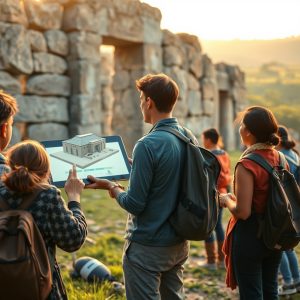
Virtual reality (VR) is also making waves in wellness tourism, offering immersive experiences that transport users to serene landscapes without leaving their homes. Imagine practicing yoga on a virtual beach in Thailand or meditating in a digital forest—these innovations make wellness more accessible to those who can’t travel, while also reducing the carbon footprint associated with long-haul flights. For those who do venture out, augmented reality (AR) apps enhance cultural heritage tourism by overlaying historical narratives onto real-world sites, deepening the connection between travel and personal growth.
Cultural Immersion and Local Storytelling
Wellness tourism is increasingly intertwined with cultural heritage tourism, as travelers seek authentic experiences that nourish the soul. Local storytelling tours, for instance, offer a way to engage with a destination’s history, traditions, and people in a meaningful way. Whether it’s a guided walk through a Moroccan medina with a focus on traditional healing practices or a tea ceremony in Japan led by a local master, these experiences provide a deeper understanding of well-being beyond the Western-centric spa model.
Culinary tourism also plays a key role in this evolution, with travelers exploring farm-to-table dining experiences that emphasize organic, locally sourced ingredients. Cooking classes led by indigenous chefs or foraging tours with local guides not only promote physical health but also foster a sense of connection to the land and its stories. These immersive experiences remind us that wellness is not just about individual health but about the health of the communities we visit.
The Solo Traveler’s Wellness Journey
Solo travel has surged in popularity, and wellness tourism is a natural fit for those seeking self-discovery and personal growth. Many eco-friendly retreats now cater specifically to solo travelers, offering communal spaces that foster connection without pressure. From silent meditation retreats in the Himalayas to solo glamping adventures in Patagonia, these experiences provide a safe and supportive environment for introspection and renewal.
For digital nomads, the concept of bleisure travel—blending business and leisure—has expanded to include wellness-focused workations. Co-living spaces in destinations like Portugal or Thailand now offer wellness programs alongside high-speed internet, allowing remote workers to balance productivity with self-care. This trend reflects a broader shift in how we view work and travel, where well-being is no longer an afterthought but a central component of the experience.
Hidden Gems and Regenerative Practices
As mass tourism continues to strain popular destinations, travelers are turning to hidden gem locations that offer tranquility and authenticity. These lesser-known spots often prioritize regenerative travel, ensuring that tourism dollars support local economies and environmental conservation. For example, a wellness retreat in a remote village in Peru might fund community health initiatives, while a glamping site in Slovenia could support biodiversity projects.
Regenerative travel goes beyond sustainability by actively repairing and revitalizing ecosystems and communities. Some retreats, for instance, use permaculture principles to grow their own food, while others invest in renewable energy infrastructure that benefits nearby villages. These practices not only enhance the guest experience but also create a legacy of positive impact, proving that wellness tourism can be a force for good.
The future of wellness tourism lies in its ability to adapt to the evolving needs of travelers while staying true to the principles of sustainability and authenticity. By embracing eco-friendly accommodations, smart technology, and regenerative practices, the industry is not just offering a temporary escape but a transformative journey—one that nurtures the mind, body, and planet in equal measure. As more people seek meaning in their travels, wellness tourism will continue to redefine what it means to explore the world, one mindful step at a time.