The Art of Disappearing: How Slow Travel and Local Storytelling Are Crafting Vanishing Eco Experiential Journeys

There’s a quiet magic in the way certain places seem to slip through the cracks of time, untouched by the relentless march of mass tourism. These are the destinations where the air hums with stories half-remembered, where the land itself feels like a living archive of human and natural history. To visit them is to step into a world that resists the noise of modernity, where travel isn’t about ticking off landmarks but about dissolving into the rhythm of a place. This is the essence of slow travel—an art form that thrives on patience, presence, and the willingness to let a destination reveal itself on its own terms.
The Philosophy of Slow Travel
Slow travel isn’t just a pace; it’s a mindset. It’s the deliberate choice to trade speed for depth, to prioritize connection over convenience. In a world where flights are booked with a tap and itineraries are optimized for maximum efficiency, slow travel is a rebellion. It’s about lingering in a café long enough to hear the barista’s life story, wandering down alleyways that don’t appear on any map, and allowing serendipity to guide the journey. This approach transforms travel from a transaction into a transformation, where the destination becomes a mirror reflecting the traveler’s own curiosity and openness.
At its core, slow travel is about respect—respect for the land, the people, and the stories that have shaped them. It’s a rejection of the extractive tourism model that treats destinations as commodities to be consumed and discarded. Instead, it embraces the idea that travel should leave a place better than it was found, whether through regenerative practices, mindful consumption, or simply by fostering genuine connections with locals. This philosophy aligns seamlessly with eco experiential tourism, where the goal is to immerse oneself in the environment without leaving a trace, to learn from it without exploiting it.
The Role of Local Storytelling in Vanishing Journeys
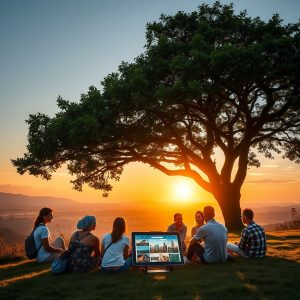
If slow travel is the vessel, local storytelling is the compass that guides it. Every destination has a pulse, a hidden narrative that reveals itself only to those who listen. These stories might be whispered by an elderly fisherman recounting tales of the sea, or etched into the weathered walls of a centuries-old village. They might be told through the flavors of a home-cooked meal, where each ingredient carries the history of the land and the hands that prepared it. Local storytellers—whether they’re historians, artisans, or simply lifelong residents—are the keepers of these narratives, and their voices are the bridge between the past and the present.
In the context of vanishing eco experiential journeys, storytelling takes on an even greater significance. Many of the world’s hidden gems are at risk of disappearing, not just physically but culturally. As younger generations migrate to cities and traditions fade, the stories that define these places risk being lost forever. Travelers who seek out these narratives become part of a larger effort to preserve them, to ensure that the soul of a destination isn’t erased by globalization. By engaging with local storytellers, travelers don’t just witness history—they help keep it alive.
How Technology Can Enhance (Without Replacing) Authenticity
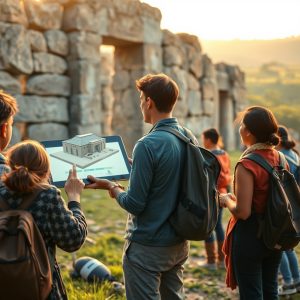
In an era where smart tourism and AI travel planning dominate the conversation, it’s easy to assume that technology and authenticity are at odds. But when used thoughtfully, technology can actually deepen the slow travel experience. Imagine an AI-powered app that doesn’t just suggest the fastest route to a tourist hotspot, but instead curates a list of lesser-known sites based on the traveler’s interests in local folklore or regenerative agriculture. Or consider virtual reality (VR) experiences that allow travelers to explore a destination’s cultural heritage before they even arrive, piquing their curiosity and setting the stage for a more meaningful visit.
Technology can also serve as a tool for connection. Platforms that connect travelers with local guides, artisans, or homestay hosts can facilitate the kind of immersive experiences that define slow travel. These digital tools don’t replace the human element—they amplify it, making it easier for travelers to find and engage with the stories that matter. The key is to use technology as a means to an end, not an end in itself. The goal should never be to replace the tactile, sensory experience of travel with a digital facsimile, but to use these tools to enhance the journey’s depth and authenticity.
Regenerative Travel: Leaving a Place Better Than You Found It
Slow travel and local storytelling naturally lead to a more regenerative approach to tourism. Regenerative travel goes beyond sustainability—it’s about actively contributing to the well-being of a destination. This might mean participating in a community-led conservation project, supporting businesses that prioritize ethical practices, or simply traveling in a way that minimizes environmental impact. It’s a shift from “do no harm” to “do some good,” and it’s a philosophy that’s gaining traction among travelers who want their journeys to have a positive, lasting impact.
One of the most powerful ways to practice regenerative travel is through culinary tourism. Food is a universal language, and it’s also one of the most direct ways to support local economies. By dining at family-owned restaurants, shopping at farmers’ markets, or taking cooking classes with local chefs, travelers can contribute to the preservation of culinary traditions while also reducing their carbon footprint. These experiences are deeply immersive, offering a taste of a culture’s history, values, and way of life. They’re also a reminder that travel isn’t just about seeing new places—it’s about savoring them, one bite at a time.
The Hidden Gems of Eco-Friendly Accommodations
Where you stay can make or break a slow travel experience. Eco-friendly accommodations—whether they’re off-grid cabins, regenerative glamping sites, or locally owned guesthouses—offer more than just a place to sleep. They provide a gateway to the destination’s culture and environment. These stays are often designed to blend seamlessly with their surroundings, using sustainable materials and practices that minimize their impact on the land. But their true value lies in the experiences they offer: a sunrise yoga session on a secluded beach, a farm-to-table dinner prepared with ingredients grown on-site, or a guided hike through a nearby forest led by a local naturalist.
These accommodations are also hubs for local storytelling. Many are run by hosts who are deeply connected to the community and eager to share its stories. They might organize cultural workshops, storytelling nights, or guided tours that highlight the destination’s hidden gems. By choosing to stay in these places, travelers aren’t just booking a room—they’re investing in the local economy and becoming part of the destination’s ongoing narrative.
The Future of Vanishing Journeys
The world is changing at an unprecedented pace, and with it, the landscapes and cultures that have defined travel for generations. Some destinations will inevitably fade into memory, while others will adapt and evolve. But the art of slow travel offers a way to experience these places before they disappear—or, in some cases, to help ensure they don’t. It’s a reminder that travel isn’t just about the destinations we visit, but the way we visit them. By embracing patience, presence, and a willingness to listen, we can uncover the stories that make each place unique and carry them with us long after we’ve returned home.
The most meaningful journeys are often the ones that leave no trace—except, perhaps, in the hearts and minds of those who took the time to truly see them. In a world that moves faster every day, there’s something profoundly liberating about slowing down, stepping off the beaten path, and letting the land and its people guide the way. These are the journeys that don’t just change how we see the world, but how we see ourselves within it.