The Alchemy of Slow Travel: How Digital Nomads and Local Storytelling Are Crafting the Future of Regenerative Bleisure Escapes
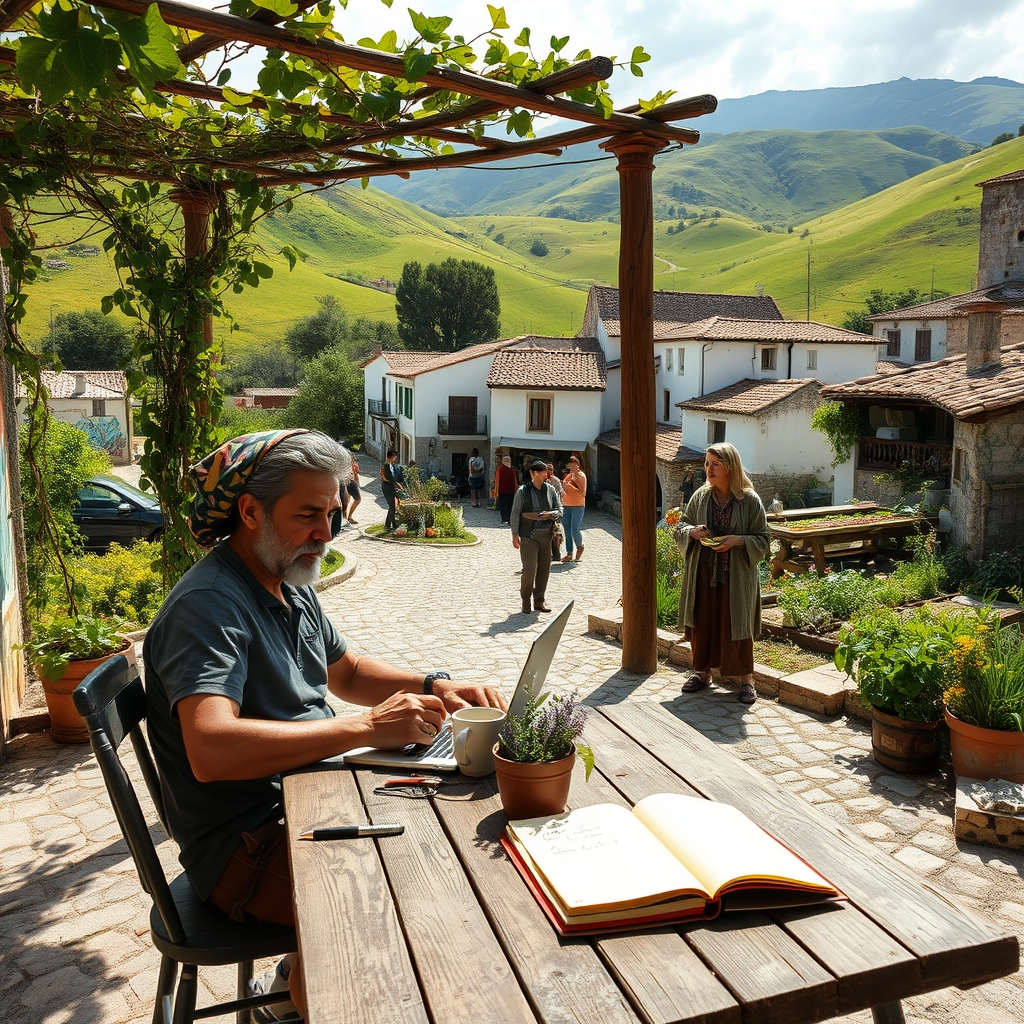
The world is moving faster than ever, yet a quiet revolution is unfolding—one where travelers are choosing to slow down, immerse themselves in place, and let stories shape their journeys. This is the essence of slow travel, a movement that transcends mere sightseeing to foster deep connections with communities, cultures, and the environment. For digital nomads and bleisure travelers, this approach is not just a trend but a transformative way to blend work, wellness, and wanderlust while leaving a positive impact on the destinations they visit.
The Philosophy of Slow Travel: More Than Just a Pace
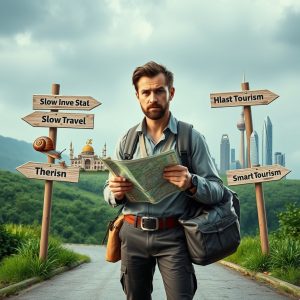
Slow travel is rooted in the idea that the journey itself is as meaningful as the destination. It’s about savoring moments, engaging with locals, and embracing the rhythms of a place rather than rushing through a checklist of attractions. This philosophy aligns seamlessly with regenerative travel, a concept that goes beyond sustainability to actively restore and revitalize the environments and communities travelers touch. For digital nomads, who often spend weeks or months in a single location, slow travel offers a way to integrate work and life in a way that feels authentic and fulfilling.
Imagine working from a sunlit café in Lisbon, where the barista shares stories of the neighborhood’s history over a cup of galão. Or spending a weekend volunteering at a local farm in Bali, learning about traditional agriculture while contributing to the community. These experiences don’t just enrich the traveler—they create a reciprocal relationship where both visitor and host benefit. Slow travel is not about passive observation; it’s about active participation in the life of a place.
Local Storytelling: The Heartbeat of Immersive Experiences
At the core of slow travel is local storytelling, a powerful tool that transforms a destination from a backdrop into a living, breathing entity. Stories are the threads that weave together history, culture, and identity, and when travelers engage with them, they gain a deeper understanding of the places they visit. For digital nomads and bleisure travelers, local storytelling can take many forms: guided walks led by historians, cooking classes with grandmothers who share family recipes, or even casual conversations with artisans in their workshops.
In Kyoto, for example, a digital nomad might join a kintsugi workshop, where a master craftsman not only teaches the art of repairing broken pottery with gold but also shares the philosophy behind it—how imperfections can be celebrated as part of an object’s history. In Oaxaca, a bleisure traveler could spend an afternoon with a molino (corn grinder) operator, learning how indigenous communities have preserved ancient food traditions despite modernization. These experiences are not just activities; they are gateways to empathy, connection, and personal growth.
The Role of Technology in Crafting Slow, Regenerative Journeys
While slow travel emphasizes disconnecting from the digital noise, technology—when used mindfully—can enhance the experience. AI travel planning tools, for instance, can help digital nomads discover off-the-beaten-path destinations that align with their values, whether that’s eco-friendly accommodations, regenerative tourism initiatives, or local storytelling tours. Apps like FairTrip or EcoBnb curate sustainable stays, while platforms like Withlocals connect travelers with local guides who offer authentic, story-driven experiences.
Virtual reality (VR) is another tool that, paradoxically, can deepen slow travel experiences. Before arriving in a destination, travelers can use VR to explore cultural sites, historical landmarks, or even local markets, building anticipation and context for their visit. Once there, VR can serve as a bridge to deeper engagement—for example, by virtually reconstructing ancient ruins to show how they once looked, allowing travelers to visualize the stories embedded in the landscape. Technology, when used as a complement rather than a distraction, can amplify the magic of slow travel.
Bleisure Travel: Where Work and Wanderlust Collide
The rise of remote work has given birth to bleisure travel, a hybrid of business and leisure that allows professionals to extend work trips into personal explorations. For digital nomads, this lifestyle is already second nature, but even traditional business travelers are embracing the opportunity to slow down and immerse themselves in their surroundings. Bleisure travel is the perfect canvas for slow, regenerative experiences, as it encourages longer stays, deeper connections, and a more mindful approach to exploration.
Consider a marketing executive who extends a work trip to Medellín by a week to volunteer with a local urban farming initiative. Or a software developer who spends a month in Chiang Mai, working remotely by day and learning traditional Thai cooking by night. These experiences not only enrich the traveler’s life but also contribute to the local economy in meaningful ways. Bleisure travel, when done thoughtfully, can be a force for good—supporting small businesses, preserving cultural heritage, and fostering cross-cultural understanding.
Regenerative Travel: Leaving Places Better Than You Found Them
Regenerative travel is the natural evolution of sustainable tourism. While sustainability focuses on minimizing harm, regenerative travel aims to leave a destination better than it was before. This could mean participating in reforestation projects, supporting women-led cooperatives, or investing in community-based tourism initiatives. For slow travelers and digital nomads, regenerative travel is an opportunity to give back in ways that align with their skills and passions.
In Costa Rica, for example, a digital nomad might spend a weekend volunteering with a sea turtle conservation project, helping to protect endangered species while learning about the delicate balance of coastal ecosystems. In Portugal, a bleisure traveler could support a local aldeia (village) by staying in a family-run guesthouse and participating in traditional farming practices. These experiences create a ripple effect, where the positive impact of travel extends far beyond the individual journey.
The Future of Travel: A Tapestry of Stories and Connections
The future of travel is not about ticking off bucket-list destinations or chasing Instagram-worthy moments. It’s about forging meaningful connections—with people, with place, and with oneself. Slow travel, local storytelling, and regenerative practices are the threads that weave this tapestry, creating journeys that are as enriching for the traveler as they are for the destinations they visit. For digital nomads and bleisure travelers, this approach offers a way to blend work and life in a way that feels intentional, fulfilling, and deeply human.
As the world continues to change, the way we travel must evolve too. The alchemy of slow travel lies in its ability to transform not just the traveler, but the world around them. It’s a reminder that the most profound journeys are not measured in miles, but in moments—moments of connection, of learning, and of shared humanity. And in a world that often feels fragmented, these moments are the glue that binds us together, one story at a time.