The Unseen Threads of Connection: How Local Storytelling and Slow Travel Are Weaving the Future of Regenerative Culinary Tourism
There is a quiet magic in the way a place reveals itself—not through grand gestures or crowded tourist spots, but in the slow unraveling of its stories. The steam rising from a street vendor’s pot of spiced lentils, the way an elderly farmer describes the soil like an old friend, the laughter shared over a meal where every ingredient carries the weight of tradition. This is the essence of regenerative culinary tourism, a movement that goes beyond tasting food to understanding the land, the people, and the hands that nurture both. It is travel that nourishes not just the body, but the soul of a destination—and in doing so, leaves it richer than before.
The Alchemy of Slow Travel
Slow travel is not merely a pace; it is a philosophy. It rejects the frantic checklist of must-see attractions in favor of lingering, observing, and engaging. When applied to culinary tourism, this approach transforms a meal from a transaction into a conversation. Imagine spending an afternoon with a third-generation olive oil producer in Andalusia, learning how the trees have been tended for decades, or joining a family in Kerala as they prepare a feast using recipes passed down through generations. These experiences are not performances for tourists; they are lived realities, shared with intention.
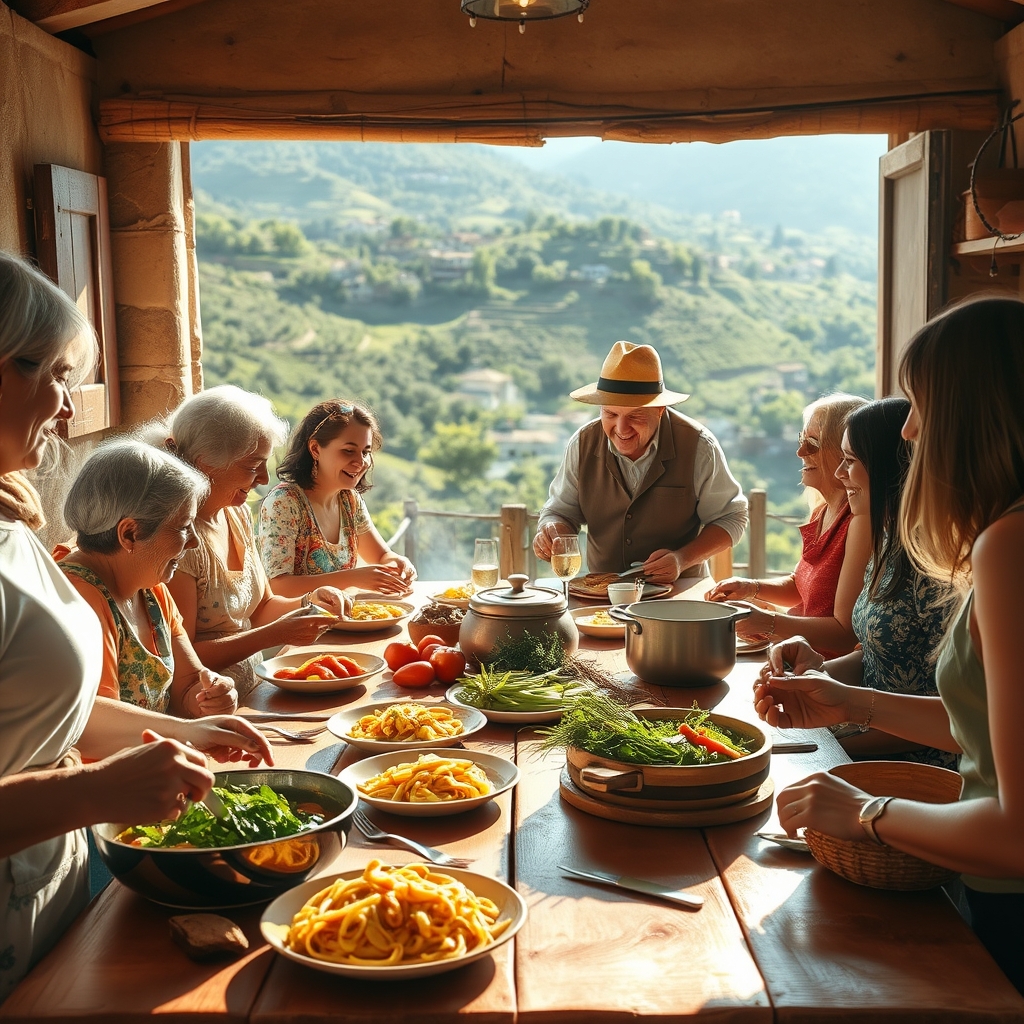
The difference between a hurried food tour and a slow, immersive culinary journey is the difference between hearing a story and living it. Slow travel allows the flavors to unfold gradually, much like the narrative of the place itself. A dish of handmade pasta in Italy is not just about the taste of fresh basil and tomatoes; it is about the history of the wheat fields, the rhythm of the rolling pin, and the stories exchanged over the kitchen table. This depth of connection is what regenerative travel seeks to cultivate—experiences that give back as much as they take.
The Power of Local Storytelling
At the heart of regenerative culinary tourism lies storytelling. Every dish has a lineage, every ingredient a journey, and every cook a guardian of tradition. Local storytellers—whether they are chefs, farmers, or grandmothers—are the keepers of this wisdom. Their narratives bridge the gap between visitor and host, turning strangers into temporary kin. When a traveler listens to a fisherman in Vietnam describe the changing tides or a winemaker in Argentina explain the terroir of their vineyard, they are no longer just observers; they become part of the story.
These stories also serve a deeper purpose: they preserve cultural heritage. In a world where globalization threatens to homogenize traditions, regenerative culinary tourism acts as a counterforce. By valuing and compensating local storytellers, travelers help ensure that these narratives endure. A cooking class in Mexico led by an indigenous Zapotec woman, for example, is not just an activity—it is an act of cultural preservation. The stories shared in these moments become threads in a larger tapestry, one that connects past, present, and future.
From Farm to Fork: The Regenerative Cycle
Regenerative culinary tourism is rooted in the principle of reciprocity. It asks travelers to consider not just what they can take from a destination, but what they can give back. This might mean choosing restaurants that source ingredients from local, sustainable farms, or participating in farm-to-table experiences that support regenerative agriculture. In Costa Rica, for instance, travelers can visit coffee plantations that use shade-grown methods to protect biodiversity, or in Japan, they might learn about satoyama, a traditional system of land management that harmonizes human activity with nature.
These practices extend beyond the plate. Regenerative travel also involves supporting businesses that prioritize fair wages, ethical labor practices, and community development. When a traveler books a stay at a family-run guesthouse in Portugal or dines at a cooperative restaurant in Peru, they are investing in the local economy in a way that fosters long-term resilience. The goal is not just to minimize harm, but to create a positive ripple effect—one that regenerates the land, the culture, and the people who call it home.
The Role of Technology in Preserving Authenticity
In an era where technology often accelerates the pace of life, it may seem counterintuitive to suggest that it can also enhance slow, regenerative travel. Yet, when used thoughtfully, digital tools can deepen connections rather than dilute them. Apps that connect travelers with local storytellers, for example, can facilitate authentic experiences that might otherwise be inaccessible. Virtual reality can offer a taste of a destination’s culinary heritage before a traveler even arrives, sparking curiosity and respect for the culture they are about to encounter.
Moreover, technology can help travelers make more informed choices. Platforms that highlight regenerative businesses—those that prioritize sustainability, ethical practices, and community impact—empower travelers to vote with their wallets. A digital nomad working remotely from a co-living space in Bali, for instance, might use an app to find a nearby warung that sources its ingredients from local farmers, thereby supporting the community while enjoying an authentic meal. In this way, technology becomes a bridge, not a barrier, to meaningful travel.
The Ripple Effect of Mindful Eating
Food is a universal language, but it is also a powerful tool for change. When travelers engage with culinary tourism through a regenerative lens, they begin to see meals as more than sustenance—they become acts of cultural exchange, environmental stewardship, and economic support. A single dinner at a farm-to-table restaurant in Tuscany can fund a local farmer’s ability to practice crop rotation, which in turn preserves the soil for future generations. A cooking class in Thailand might introduce a traveler to the importance of heirloom rice varieties, inspiring them to seek out similar practices in their own community.
These small choices add up. When multiplied across millions of travelers, they have the potential to shift the entire tourism industry toward a more sustainable, equitable future. Regenerative culinary tourism is not about perfection; it is about progress. It is about recognizing that every bite, every story, and every moment of connection has the power to heal or harm, to preserve or exploit. The beauty of this approach is that it does not require grand gestures—just a willingness to slow down, listen, and engage with the world in a way that leaves it better than you found it.
The next time you travel, consider what it would mean to savor not just the flavors of a place, but its stories. To linger a little longer at the table, to ask questions, to listen. The world is not a buffet to be consumed, but a tapestry of lives and landscapes waiting to be understood. And perhaps, in the act of tasting, we might find a way to give back—one meal, one story, one connection at a time.