
Culinary Tourism in the Digital Age: How AI and Local Flavors Are Crafting Immersive Food Journeys
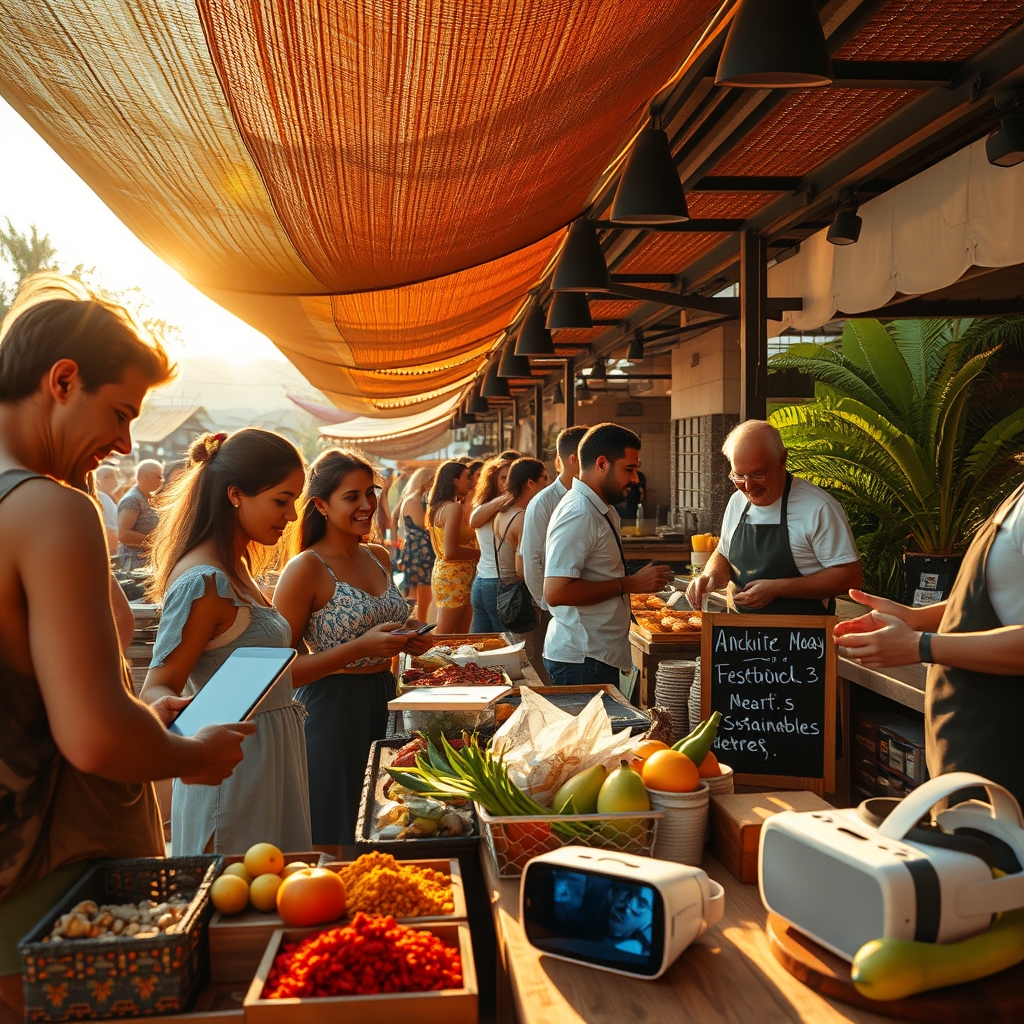
In an era where travel is no longer just about ticking off landmarks but about deeply connecting with a destination, culinary tourism has emerged as a powerful way to experience culture through food. Yet, as the world becomes more interconnected, the way we explore these flavors is evolving. Artificial intelligence and digital innovation are now playing a pivotal role in transforming how travelers discover, engage with, and savor local cuisines, making every meal an immersive story rather than just a pit stop.
The Rise of AI-Powered Food Exploration
Imagine landing in a new city and having an AI-powered travel assistant curate a personalized food itinerary based on your preferences, dietary restrictions, and even your mood. This is no longer a futuristic fantasy but a reality shaping modern culinary tourism. Platforms like TasteAtlas and FlavorPrint use machine learning to analyze vast datasets of global cuisines, recommending hidden gem eateries, street food stalls, and farm-to-table experiences that align with a traveler’s tastes. These tools don’t just suggest popular restaurants—they uncover the soul of a destination through its food, from a grandmother’s secret recipe in a Sicilian village to a third-generation spice merchant in Marrakech.
AI is also enhancing the way travelers interact with local chefs and food producers. Chatbots and virtual assistants now offer real-time translations, breaking down language barriers that once made it difficult to engage with street vendors or family-run kitchens. Some apps even provide augmented reality (AR) overlays that explain the history and cultural significance of dishes as you dine, turning a simple meal into an educational and sensory-rich experience. For digital nomads and slow travelers, these innovations mean deeper connections with the places they visit, one bite at a time.
From Farm to Fork: The Regenerative Dining Movement
Culinary tourism is no longer just about indulgence—it’s about responsibility. The rise of regenerative travel has extended to the way we eat, with travelers increasingly seeking out experiences that give back to the environment and local communities. Farm-to-table dining has evolved into farm-to-fork storytelling, where every dish comes with a narrative about sustainable farming, ethical sourcing, and the people behind the ingredients.
In destinations like Bali, Portugal’s Alentejo region, and California’s wine country, eco-friendly accommodations are partnering with local farmers to offer immersive culinary retreats. Guests don’t just eat organic produce—they participate in harvesting, cooking classes, and even regenerative agriculture workshops. These experiences foster a deeper appreciation for food while supporting small-scale producers who prioritize biodiversity and soil health. For wellness-focused travelers, this farm-to-fork ethos aligns perfectly with the growing demand for mindful, health-conscious dining that nourishes both body and planet.
The Role of Local Storytelling in Culinary Tourism
Food is one of the most powerful storytellers of a culture, and modern culinary tourism is leveraging this truth to create unforgettable journeys. Local guides, often descendants of farmers, fishermen, or chefs, are leading immersive food tours that go beyond taste tests. These experiences weave together history, tradition, and personal anecdotes, turning a simple market visit into a lesson on how a region’s identity was shaped by its cuisine.
In Oaxaca, Mexico, travelers can join a mole-making workshop led by a Zapotec family, learning not just the recipe but the spiritual significance of each ingredient. In Kyoto, Japan, a tea ceremony becomes a meditation on Zen philosophy, while in Naples, Italy, a pizza-making class reveals the social history of one of the world’s most beloved dishes. These storytelling-driven experiences transform culinary tourism into a form of cultural preservation, ensuring that traditions are passed down while giving travelers a sense of belonging in the places they visit.
Glamping and Culinary Tourism: A Match Made in Sustainable Heaven
For those who want to combine the comforts of luxury travel with the authenticity of local flavors, glamping destinations are becoming the ultimate culinary getaways. Unlike traditional resorts, these eco-friendly retreats often feature on-site organic gardens, farm-to-table dining, and partnerships with nearby producers. Imagine waking up in a safari tent in South Africa and enjoying a breakfast of fresh figs and locally sourced honey, or staying in a geodesic dome in the Canadian Rockies while a private chef prepares a meal with foraged mushrooms and wild game.
Glamping also aligns with the principles of slow travel, encouraging visitors to linger longer in one place and truly savor the local cuisine. Many of these retreats offer cooking classes, wine pairings, and even foraging expeditions, allowing travelers to engage with food in a way that’s both indulgent and sustainable. For digital nomads, these destinations provide the perfect balance of work and leisure, with high-speed internet for remote work and gourmet meals to fuel creativity.
The Future of Culinary Tourism: Virtual Reality and Beyond
As technology continues to reshape travel, virtual reality (VR) is opening new frontiers for culinary tourism. While nothing can replace the taste of a freshly baked croissant in Paris or the aroma of street food in Bangkok, VR is allowing travelers to preview food experiences before they book a trip. Some platforms now offer virtual food tours, where users can explore a market in Istanbul or a vineyard in Tuscany from their living room, complete with 360-degree views and expert narration.
For those with dietary restrictions or mobility challenges, VR also provides an inclusive way to experience global cuisines. Meanwhile, AI-driven meal planners are helping travelers recreate dishes they’ve discovered abroad, ensuring that the flavors of their journey stay with them long after they return home. As these technologies evolve, they will make culinary tourism more accessible, personalized, and immersive than ever before.
The way we travel is changing, and so is the way we eat. Culinary tourism is no longer just about sampling new flavors—it’s about forging connections, supporting sustainable practices, and immersing ourselves in the stories behind every dish. Whether through AI-powered recommendations, regenerative dining experiences, or glamping retreats that blend luxury with local authenticity, food has become the ultimate bridge between cultures. As we move forward, the most memorable journeys will be those that feed not just our stomachs, but our souls, leaving us with flavors—and stories—that linger long after the last bite.