Sacred Smoke and Sacred Soil: The Tenggerese Legacy in the Heart of Mount Bromo
The mist curls around the jagged edges of Mount Bromo like the breath of an ancient giant, a silent witness to centuries of devotion, myth, and resilience. Nestled within the vast caldera of the Tengger massif, the Tenggerese people have carved a life that is as much a testament to their spiritual connection with the land as it is to their unyielding cultural identity. Their story is woven into the very fabric of the volcano, a narrative of faith, sacrifice, and an unbreakable bond with the sacred mountain that looms over their highland homes.
The Origins: A Love Story Etched in Fire and Ash
The origins of the Tenggerese people are shrouded in the mists of legend, a tale as dramatic and enduring as the landscape they call home. At the heart of their mythology lies the story of Roro Anteng and Joko Seger, a couple whose love and perseverance gave birth to a dynasty and a culture. According to folklore, Roro Anteng, the beautiful daughter of the King of Majapahit, and Joko Seger, a commoner of noble spirit, fled the crumbling empire to seek refuge in the untamed highlands of East Java. Their journey was fraught with trials, but their love endured, and they settled in the shadow of Mount Bromo, where they founded the Tenggerese kingdom.
Their happiness, however, was not to last. Despite their prayers and offerings, the couple remained childless for many years. Desperate, they turned to the mountain, beseeching the gods for a miracle. Their plea was answered, but at a terrible price. The gods demanded the sacrifice of their youngest child in exchange for the fertility of their people. Torn between love and duty, Roro Anteng and Joko Seger agreed, and their 25th child, Kesuma, was cast into the fiery crater of Mount Bromo. From that day forward, the Tenggerese people have honored this sacrifice through the Yadnya Kasada Festival, a ritual that binds them to their ancestors and to the sacred mountain that cradles their history.
The Sacred Heart: Luhur Poten and the Spiritual Pulse of the Tenggerese
At the heart of Tenggerese spirituality lies the Luhur Poten Temple, a modest yet profoundly sacred structure nestled within the Sea of Sand that surrounds Mount Bromo. Unlike the grand temples of Bali or Java, Luhur Poten is a humble sanctuary, its simplicity a reflection of the Tenggerese belief in the purity of nature and the divine presence that permeates every rock, tree, and gust of wind. The temple serves as the spiritual epicenter of the Tenggerese community, a place where the veil between the earthly and the divine feels thin, almost tangible.
The temple is not merely a place of worship but a living entity, its stones imbued with the prayers and offerings of generations. During the Yadnya Kasada Festival, Luhur Poten becomes the focal point of a grand pilgrimage, as thousands of Tenggerese gather to honor the gods and seek their blessings. The air is thick with the scent of incense and the sound of chanting, as priests, known as dukun, lead the rituals that have been passed down through centuries. These priests are the keepers of the Tenggerese spiritual tradition, their knowledge a blend of ancient wisdom and deep reverence for the natural world.
The Dukun: Guardians of Tradition and Mediators of the Divine
The dukun are more than just religious figures; they are the living bridges between the Tenggerese people and the spiritual realm. Their role is multifaceted, encompassing that of healer, counselor, and ritual specialist. To become a dukun, one must undergo years of rigorous training, learning the sacred chants, herbal remedies, and intricate rituals that define Tenggerese spirituality. Their authority is not derived from institutional power but from the trust and respect of the community, a trust that is earned through wisdom, compassion, and an unwavering commitment to the well-being of the people.
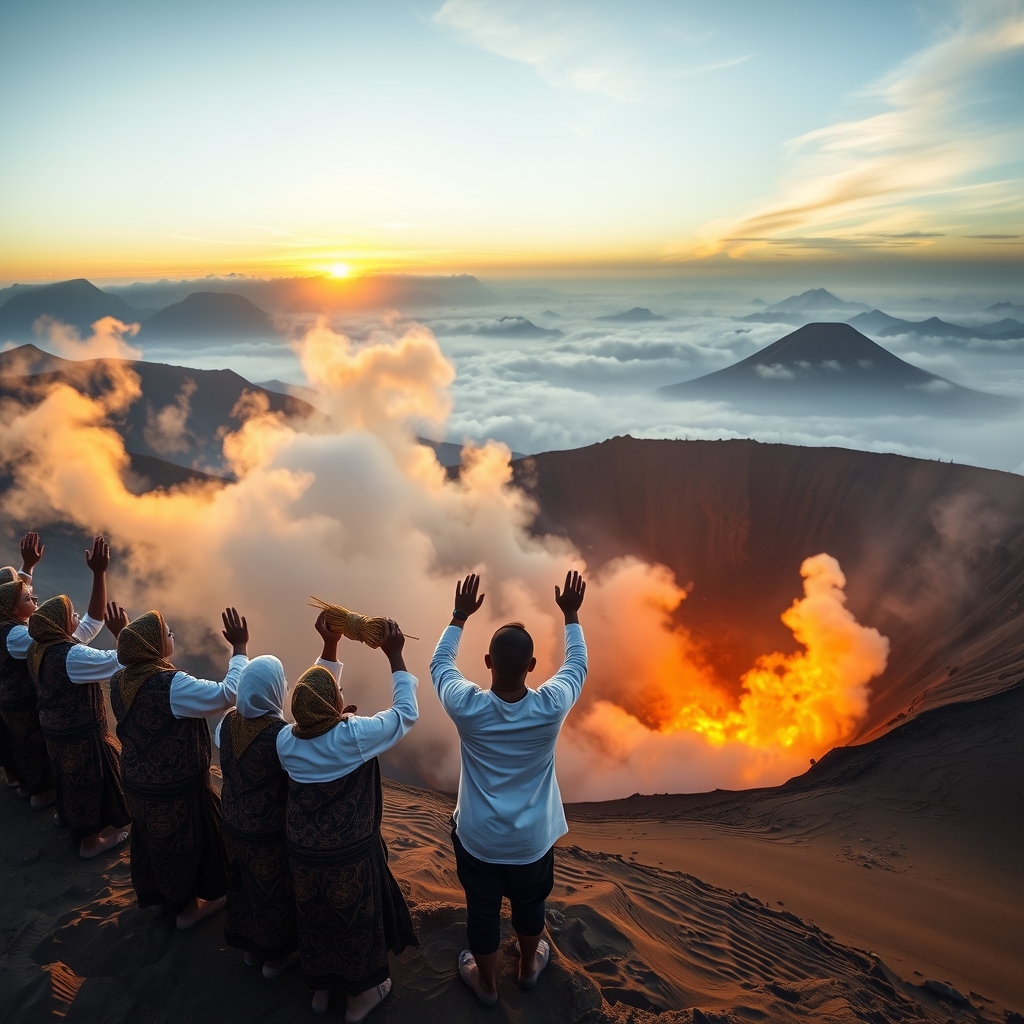
During the Yadnya Kasada Festival, the dukun play a central role, leading the procession to the crater of Mount Bromo and overseeing the offering ceremony. The offerings, which include rice, fruits, vegetables, livestock, and even money, are cast into the volcano as a symbol of gratitude and a plea for protection. The dukun invoke the blessings of the gods, their voices rising above the roar of the wind and the distant rumble of the volcano, a reminder of the delicate balance between human devotion and the raw power of nature.
The Yadnya Kasada Festival: A Living Legacy of Faith and Sacrifice
The Yadnya Kasada Festival is the most significant event in the Tenggerese calendar, a vibrant and deeply moving celebration that draws visitors from across the globe. Held on the 14th day of the Kasada month in the traditional Tenggerese calendar, the festival is a reenactment of the sacrifice made by Roro Anteng and Joko Seger, a ritual that has been observed for centuries. The date varies each year according to the lunar cycle, but the spirit of the festival remains unchanged—a testament to the enduring power of faith and tradition.
The festival begins with a procession from the villages surrounding Mount Bromo to the Luhur Poten Temple, where the dukun lead prayers and blessings. The air is filled with the sound of gamelan music and the rhythmic beat of drums, as the Tenggerese, dressed in traditional attire, make their way through the Sea of Sand. The journey is arduous, a physical and spiritual pilgrimage that mirrors the trials of their ancestors. Upon reaching the temple, the offerings are prepared, and the dukun perform the sacred rituals that have been handed down through generations.
The climax of the festival occurs at dawn, when the Tenggerese gather at the edge of Mount Bromo’s crater to cast their offerings into the abyss. The scene is both awe-inspiring and humbling, a stark reminder of the power of nature and the resilience of the human spirit. For the Tenggerese, the act of offering is not merely a ritual but a reaffirmation of their identity, a way of honoring their ancestors and securing the blessings of the gods for another year.
The Sea of Sand: A Landscape of Myth and Mystery
The Tengger Caldera, with its vast expanse of volcanic sand, is a landscape that seems to exist outside of time. Known as the Sea of Sand, this otherworldly terrain is a place of stark beauty and profound spiritual significance. For the Tenggerese, the Sea of Sand is not just a physical barrier but a sacred threshold, a place where the earthly and the divine intersect. It is here, in the shadow of Mount Bromo, that the Tenggerese have built their lives, their villages clinging to the edges of the caldera like tiny outposts of humanity in a vast, untamed wilderness.
The Sea of Sand is also a place of legend, a landscape that has shaped the Tenggerese identity in profound ways. According to folklore, the caldera was formed by the eruption of Mount Bromo thousands of years ago, a cataclysmic event that gave birth to the sacred mountain and the people who worship it. The Tenggerese believe that the volcano is the dwelling place of the gods, a belief that is reinforced by the frequent eruptions that have shaped their history. These eruptions, while often destructive, are seen as a sign of the gods’ presence, a reminder of the power that lies beneath the surface of the earth.
Cultural Tourism: Bridging the Past and the Present
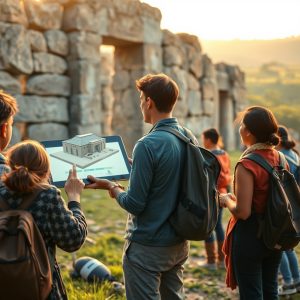
In recent years, the Tenggerese culture and the breathtaking landscapes of Mount Bromo have become a magnet for cultural tourism, drawing visitors eager to witness the unique traditions and natural beauty of the region. For the Tenggerese, this influx of tourists presents both opportunities and challenges. On one hand, tourism has brought economic benefits, providing a source of income for local communities and helping to preserve their cultural heritage. On the other hand, the increasing commercialization of their traditions raises concerns about the erosion of their spiritual practices and the commodification of their sacred rituals.
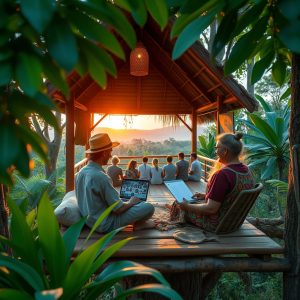
Despite these challenges, the Tenggerese have found ways to share their culture with the world while maintaining the integrity of their traditions. Many have embraced the role of cultural ambassadors, offering guided tours, homestays, and workshops that provide visitors with an authentic glimpse into their way of life. These initiatives not only generate income but also foster a deeper understanding and appreciation of Tenggerese culture, ensuring that their legacy continues to thrive in the modern world.
The story of the Tenggerese is one of resilience, faith, and an unbreakable bond with the land. Their traditions, rituals, and legends are not relics of the past but living, breathing expressions of a culture that has endured for centuries. As the smoke from Mount Bromo’s crater curls into the sky, it carries with it the prayers and hopes of the Tenggerese people, a reminder of the sacred connection between humanity and the natural world. In a rapidly changing world, their story is a testament to the power of tradition, the enduring strength of community, and the timeless allure of the sacred mountain that has shaped their destiny.