Whispers of the Ancients: The Sacred Rituals and Legends of the Tenggerese in the Shadow of Mount Bromo
The mist-cloaked highlands of East Java cradle one of Indonesia’s most enigmatic cultures—the Tenggerese people. Nestled in the shadows of Mount Bromo, an active volcano that has shaped both their landscape and their destiny, the Tenggerese have preserved a way of life that is as resilient as it is sacred. Their traditions, steeped in ancient Hindu beliefs and local folklore, offer a window into a world where the divine and the earthly intertwine, and where every ritual is a testament to their unbreakable bond with the land.
The Origins of the Tenggerese: A Tapestry of Myth and History
The story of the Tenggerese begins with a legend as old as the mountains themselves. According to folklore, the tribe traces its lineage to Roro Anteng and Joko Seger, a noble couple who sought refuge in the highlands of Bromo during a time of upheaval. Their love story, intertwined with divine intervention, is said to have given birth to the Tenggerese people. The name “Tengger” itself is derived from the last syllables of their names—Anteng and Seger—a linguistic echo of their enduring legacy.
Historically, the Tenggerese are believed to be descendants of the Majapahit Empire, one of the last great Hindu-Buddhist kingdoms of Java. As Islam spread across the island, the Tenggerese retreated to the isolated highlands, where they preserved their Hindu traditions. Over centuries, their culture evolved into a unique syncretism of Hinduism, animism, and ancestral worship, distinct from the Hindu practices of Bali or India. This blend is most vividly expressed in their rituals, which honor not only the gods but also the spirits of the land, the volcano, and their ancestors.
The Sacred Heart of Tenggerese Spirituality: Luhur Poten Temple
At the heart of Tenggerese spirituality lies Luhur Poten Temple, a modest yet profoundly sacred structure perched on the sea of sand surrounding Mount Bromo. Unlike the ornate temples of Bali, Luhur Poten is a humble edifice, built from black volcanic stone and adorned with simple offerings of flowers, incense, and food. It serves as the spiritual epicenter for the Tenggerese, a place where the veil between the human and the divine feels thin.
The temple is the stage for some of the most important rituals in Tenggerese culture, including the Yadnya Kasada Festival. During this annual ceremony, the Tenggerese gather to honor the gods and seek blessings for prosperity and protection. The temple’s location, at the foot of Mount Bromo, is no coincidence—it is a deliberate choice, a recognition of the volcano’s dual role as both a life-giver and a potential destroyer. For the Tenggerese, Bromo is not merely a mountain; it is a sacred entity, a living deity that demands respect and reverence.
The Role of the Dukun: Guardians of Tradition
Central to the spiritual life of the Tenggerese are the dukun, or traditional priests, who act as intermediaries between the people and the divine. The dukun are not just religious figures; they are healers, storytellers, and custodians of ancient knowledge. Their role is multifaceted—they lead rituals, interpret omens, and provide guidance on matters ranging from agriculture to personal crises. In a world where modernity threatens to erode tradition, the dukun remain steadfast, ensuring that the wisdom of the ancestors is passed down to future generations.
One of the most sacred duties of the dukun is to preside over the offering ceremonies that punctuate the Tenggerese calendar. These ceremonies are not mere performances; they are acts of devotion, a way for the community to express gratitude and seek harmony with the natural and spiritual worlds. Whether it’s the annual Kasada Festival or a smaller, private ritual, the dukun’s presence is indispensable, their chants and prayers weaving a thread that connects the past to the present.
The Yadnya Kasada Festival: A Spectacle of Faith and Sacrifice
Of all the Tenggerese rituals, none is as dramatic or as deeply symbolic as the Yadnya Kasada Festival. Held on the 14th day of the Kasada month in the traditional Tenggerese calendar—typically falling in July or August—this festival is a vibrant display of faith, courage, and community. The origins of Kasada are rooted in the legend of Roro Anteng and Joko Seger, who, after years of childlessness, were blessed with 25 children. As a condition of their blessing, they were required to sacrifice their youngest child, Kesuma, to the gods of Mount Bromo. The festival commemorates this sacrifice, a reminder of the debt the Tenggerese owe to the mountain.
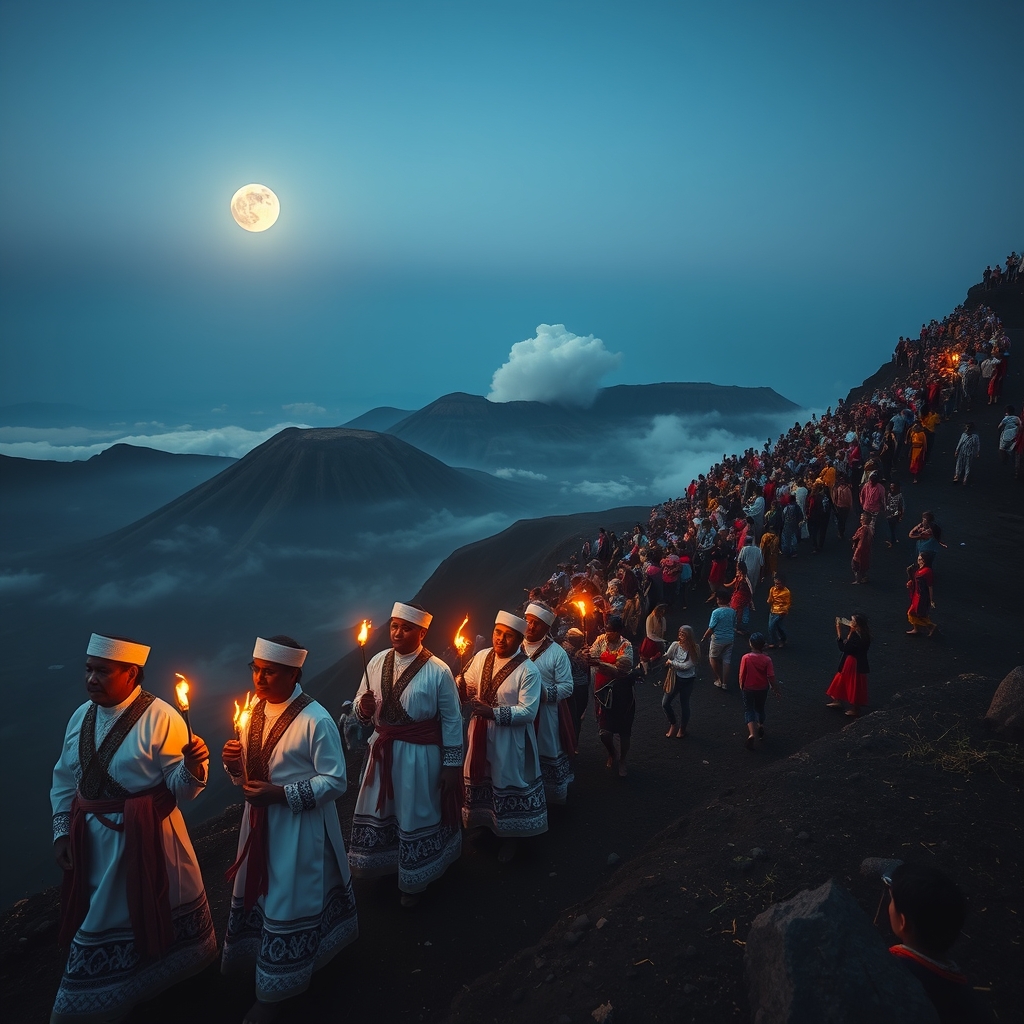
The highlight of the festival is the procession to the crater of Mount Bromo, where offerings of rice, fruits, vegetables, livestock, and even money are thrown into the abyss. This act is not merely symbolic; it is a literal offering to the gods, a plea for protection and prosperity. The sight of hundreds of Tenggerese, dressed in traditional attire, climbing the steep slopes of the volcano under the light of the full moon is nothing short of mesmerizing. It is a testament to their unwavering faith and their deep connection to the land.
The Kasada Festival Date: A Moving Target
Unlike fixed-date festivals, the Kasada Festival date is determined by the Tenggerese lunar calendar, which means it shifts slightly each year. This fluidity adds to the festival’s mystique, as the Tenggerese must rely on the dukun to calculate the precise timing. The festival’s date is not just a matter of tradition; it is a reflection of the Tenggerese’s adaptability and their respect for the natural cycles that govern their lives. For outsiders, this can make planning a visit challenging, but for those who time it right, the experience is unforgettable.
The Tenggerese and the Volcano: A Relationship Forged in Fire
Mount Bromo is more than a backdrop to Tenggerese life; it is an active participant in their history. The volcano’s eruptions, while destructive, have also shaped the landscape in ways that benefit the community. The fertile volcanic soil supports agriculture, while the dramatic scenery draws tourists, providing a vital source of income. Yet, the Tenggerese do not take Bromo’s benevolence for granted. They understand that the mountain’s power is a double-edged sword, capable of both creation and destruction.
Historical records of Mount Bromo’s eruptions date back centuries, with some of the most significant occurring in 1804, 1980, and 2010. Each eruption has left its mark on the Tenggerese, reinforcing their belief in the volcano’s sacredness. Rather than flee in the face of danger, the Tenggerese have learned to coexist with Bromo, interpreting its rumblings as messages from the gods. This relationship is a testament to their resilience and their deep-rooted belief in the interconnectedness of all things.
Cultural Tourism: Bridging the Old and the New
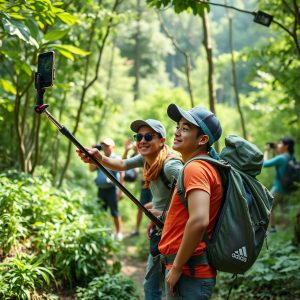
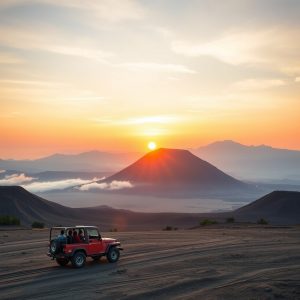
In recent decades, the allure of Bromo cultural tourism has brought the Tenggerese into the global spotlight. Visitors from around the world flock to the highlands to witness the Kasada Festival, explore the sea of sand, and hike to the summit of Mount Bromo at sunrise. While tourism has brought economic benefits, it has also posed challenges to the preservation of Tenggerese culture. The influx of outsiders has led to commercialization, and some traditions have been adapted to cater to tourists, raising concerns about authenticity.
Yet, the Tenggerese have shown remarkable adaptability. Many have embraced tourism as an opportunity to share their culture while also safeguarding its integrity. Homestays, guided tours, and cultural performances offer visitors a glimpse into Tenggerese life, but they also provide the community with a means to sustain their traditions. The key, as many Tenggerese leaders emphasize, is balance—honoring the past while navigating the future.
The story of the Tenggerese is one of endurance, faith, and harmony with nature. In a world that often prioritizes progress over tradition, their culture stands as a reminder of the beauty that lies in preserving the old ways. The rituals, the legends, and the sacred bond with Mount Bromo are not relics of the past; they are living, breathing aspects of a culture that continues to evolve. For those who take the time to listen, the whispers of the ancients still echo through the misty highlands, a timeless melody that connects the Tenggerese to the land, the gods, and each other.