The Timeless Legacy of the Tenggerese: Unveiling the Mysteries of Mount Bromo and the Yadnya Kasada Festival

The Tengger Highlands, a realm of mist-shrouded volcanoes and vast calderas, stand as a testament to the enduring spirit of the Tenggerese people. Nestled within the rugged landscapes of East Java, Indonesia, this region is not only a natural wonder but also a cultural treasure trove, where ancient traditions and breathtaking scenery intertwine. At the heart of this cultural tapestry lies the Yadnya Kasada Festival, a vibrant celebration that draws thousands of visitors each year to witness the unique rituals of the Tenggerese, a community deeply rooted in Hindu heritage and folklore.
The Origins of the Tenggerese: A Legacy Forged in Myth and History
The story of the Tenggerese begins with a legend as captivating as the landscapes they inhabit. According to local folklore, the Tenggerese trace their lineage to the union of Roro Anteng, the daughter of the King of Majapahit, and Joko Seger, a commoner of extraordinary wisdom. Their love story, however, was not one of ease. The couple faced the wrath of the gods, who demanded a sacrifice to ensure the prosperity of their people. In a moment of desperation, Roro Anteng and Joko Seger agreed to offer their youngest child to the crater of Mount Bromo, a sacred volcano that looms over the highlands. This act of devotion is said to have given birth to the Tenggerese people, whose name is derived from the last syllables of their ancestors’ names: Roro An–teng and Jo–ko Se–ger.
Historically, the Tenggerese are believed to be descendants of the Majapahit Empire, one of the last great Hindu kingdoms of Java. As Islam spread across the island, the Tenggerese retreated to the isolated highlands of Mount Bromo, where they preserved their Hindu beliefs and traditions. Over centuries, their culture evolved into a distinct form of Hinduism, blending ancient Javanese animism with Hindu rituals, creating a spiritual practice that is uniquely their own.
The Sacred Grounds of Luhur Poten Temple
At the foot of Mount Bromo, the Luhur Poten Temple stands as a spiritual beacon for the Tenggerese community. Unlike the grand, ornate temples of Bali, Luhur Poten is a modest yet profoundly sacred structure, constructed from black volcanic stone that mirrors the stark beauty of its surroundings. The temple serves as the focal point for the Tenggerese’s most important rituals, including the Yadnya Kasada Festival, where offerings are made to the gods in a display of gratitude and reverence.
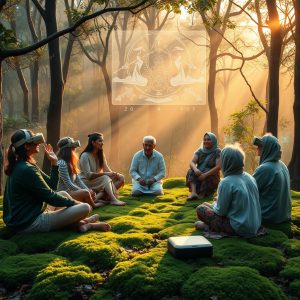
The temple is not merely a place of worship but a living embodiment of the Tenggerese’s connection to the land. It is here that the community gathers to seek blessings, perform ceremonies, and honor the spirits of their ancestors. The priests, known as dukun, play a pivotal role in these rituals, acting as intermediaries between the physical and spiritual worlds. Their knowledge of ancient chants, herbal remedies, and sacred offerings has been passed down through generations, ensuring the continuity of Tenggerese traditions.
The Role of the Dukun: Guardians of Tradition
The dukun are more than just religious figures; they are the custodians of the Tenggerese’s cultural identity. Their responsibilities extend beyond leading ceremonies; they are healers, advisors, and storytellers, entrusted with the task of preserving the community’s history and beliefs. During the Yadnya Kasada Festival, the dukun lead the procession to the crater of Mount Bromo, where offerings of rice, fruits, vegetables, livestock, and even money are thrown into the abyss as a symbol of sacrifice and devotion. This act is believed to appease the gods and ensure the well-being of the Tenggerese people for another year.
The dukun‘s role is not without its challenges. In an era of modernization and cultural homogenization, the traditions they uphold are increasingly at risk of fading into obscurity. Yet, the dukun remain steadfast, their dedication a testament to the resilience of the Tenggerese culture. Their knowledge, often shrouded in mystery, is a bridge between the past and the present, ensuring that the legacy of Roro Anteng and Joko Seger endures.
The Yadnya Kasada Festival: A Spectacle of Faith and Tradition
The Yadnya Kasada Festival, held annually on the 14th day of the Kasada month in the Tenggerese calendar, is the most significant event in the Tenggerese cultural calendar. The festival is a vibrant display of faith, where thousands of Tenggerese pilgrims ascend the slopes of Mount Bromo to participate in the sacred offerings. The journey is arduous, often beginning in the dead of night, as devotees make their way through the sea of sand that surrounds the volcano, guided only by the light of flickering torches.
As dawn breaks, the crater of Mount Bromo becomes a stage for one of the most dramatic rituals in Indonesian culture. The dukun lead the procession, chanting prayers and invoking the blessings of the gods. The offerings, carefully prepared by each family, are then cast into the crater, a gesture of gratitude for the harvest and a plea for protection. The scene is both awe-inspiring and humbling, a reminder of the deep spiritual connection between the Tenggerese and their sacred mountain.
The Significance of the Offerings
The offerings made during the Yadnya Kasada Festival are not merely symbolic; they are a reflection of the Tenggerese’s relationship with the land. Rice, the staple food of the community, represents sustenance and prosperity. Fruits and vegetables symbolize the bounty of the earth, while livestock offerings are a testament to the community’s agricultural roots. Money, often thrown into the crater, is a modern addition, reflecting the changing times while still honoring the tradition of sacrifice.
For the Tenggerese, the act of offering is a deeply personal one. Each family prepares their contributions with care, imbuing them with prayers and hopes for the future. The festival is not just a religious obligation but a communal experience, a time for the Tenggerese to come together, share stories, and reaffirm their cultural identity. It is a moment of unity, where the past and present converge in a celebration of faith and resilience.
The Cultural Heritage of Mount Bromo: A Living Legacy
Mount Bromo is more than just a geological marvel; it is a sacred entity, a source of life and spirituality for the Tenggerese. The volcano’s frequent eruptions, while often destructive, are seen as a reminder of the gods’ power and the need for humility. The Tenggerese believe that the mountain is a gateway to the spiritual world, a place where the divine and the earthly realms intersect. This belief is reflected in their rituals, their art, and their way of life, making Mount Bromo a cornerstone of their cultural heritage.
The Tenggerese’s connection to Mount Bromo is also evident in their traditional attire, music, and dance. The kain tenun, a handwoven cloth, is often worn during ceremonies, its intricate patterns telling stories of the community’s history. The gamelan orchestra, with its haunting melodies, accompanies rituals and festivals, adding a layer of auditory beauty to the visual spectacle. These cultural expressions are not relics of the past but living traditions, constantly evolving while remaining rooted in the community’s spiritual beliefs.
The allure of Mount Bromo and the Tenggerese culture has not gone unnoticed by the outside world. In recent years, the region has become a popular destination for cultural tourism, drawing visitors eager to witness the Yadnya Kasada Festival and explore the highlands’ natural beauty. While tourism brings economic opportunities, it also poses challenges to the preservation of Tenggerese traditions. The influx of outsiders has led to concerns about cultural commodification and the erosion of sacred practices. Yet, the Tenggerese have shown remarkable adaptability, finding ways to share their heritage while safeguarding its integrity.
The story of the Tenggerese is one of resilience, faith, and an unbreakable bond with the land. Their traditions, passed down through generations, are a living testament to the power of cultural heritage. As the world around them changes, the Tenggerese continue to honor their ancestors, their gods, and the sacred mountain that has shaped their identity. In the misty highlands of Mount Bromo, the past is not a distant memory but a vibrant force, guiding the community into the future with the same devotion that has sustained them for centuries.