The Soul of Travel: How Immersive Storytelling and Regenerative Practices Are Crafting the Future of Cultural Heritage Tourism
In an era where travel has become more accessible than ever, the way we explore the world is undergoing a profound transformation. The modern traveler is no longer satisfied with superficial snapshots of famous landmarks or generic itineraries. Instead, there is a growing hunger for experiences that connect deeply with the soul of a place—its history, its people, and its stories. This shift has given rise to a new wave of cultural heritage tourism, one that is rooted in immersive storytelling and regenerative practices, ensuring that travel not only enriches the visitor but also preserves and revitalizes the destinations they explore.
The Power of Immersive Storytelling
At the heart of this evolution is the art of storytelling. Local narratives have the unique power to transform a simple visit into a meaningful journey. Imagine walking through the ancient streets of Kyoto, not just as a tourist, but as a participant in a living story. A local guide, perhaps a descendant of samurai or a tea master, shares tales of the city’s past, weaving history with personal anecdotes that breathe life into the stones beneath your feet. This is the essence of immersive storytelling—an experience that engages all the senses and leaves a lasting imprint on the traveler’s memory.
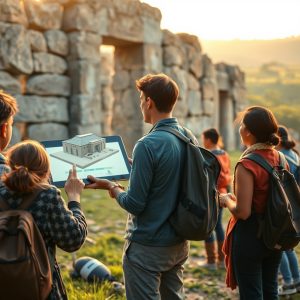
Technology has played a pivotal role in amplifying these stories. Augmented reality (AR) and virtual reality (VR) are being used to recreate historical events, allowing travelers to witness the past in vivid detail. In Rome, visitors can don VR headsets to stand in the midst of the Colosseum during a gladiatorial battle, while in Athens, AR apps overlay ancient ruins with their original splendor. These innovations do more than entertain; they foster a deeper understanding and appreciation of cultural heritage, bridging the gap between the past and the present.
Regenerative Travel: Healing Through Exploration
While immersive storytelling connects travelers to the past, regenerative travel focuses on the future. Unlike traditional tourism, which often leaves destinations depleted, regenerative travel seeks to leave places better than they were found. This approach goes beyond sustainability—it’s about actively contributing to the restoration and revitalization of communities and ecosystems.
Consider the case of Costa Rica, a pioneer in regenerative tourism. Here, travelers can participate in reforestation projects, helping to restore biodiversity while learning about the country’s rich ecological heritage. In Portugal, community-based tourism initiatives invite visitors to engage with local artisans, farmers, and fishermen, ensuring that tourism dollars directly support the preservation of traditional crafts and livelihoods. These experiences are not just about minimizing harm; they are about creating positive change, one journey at a time.
The Role of Local Communities
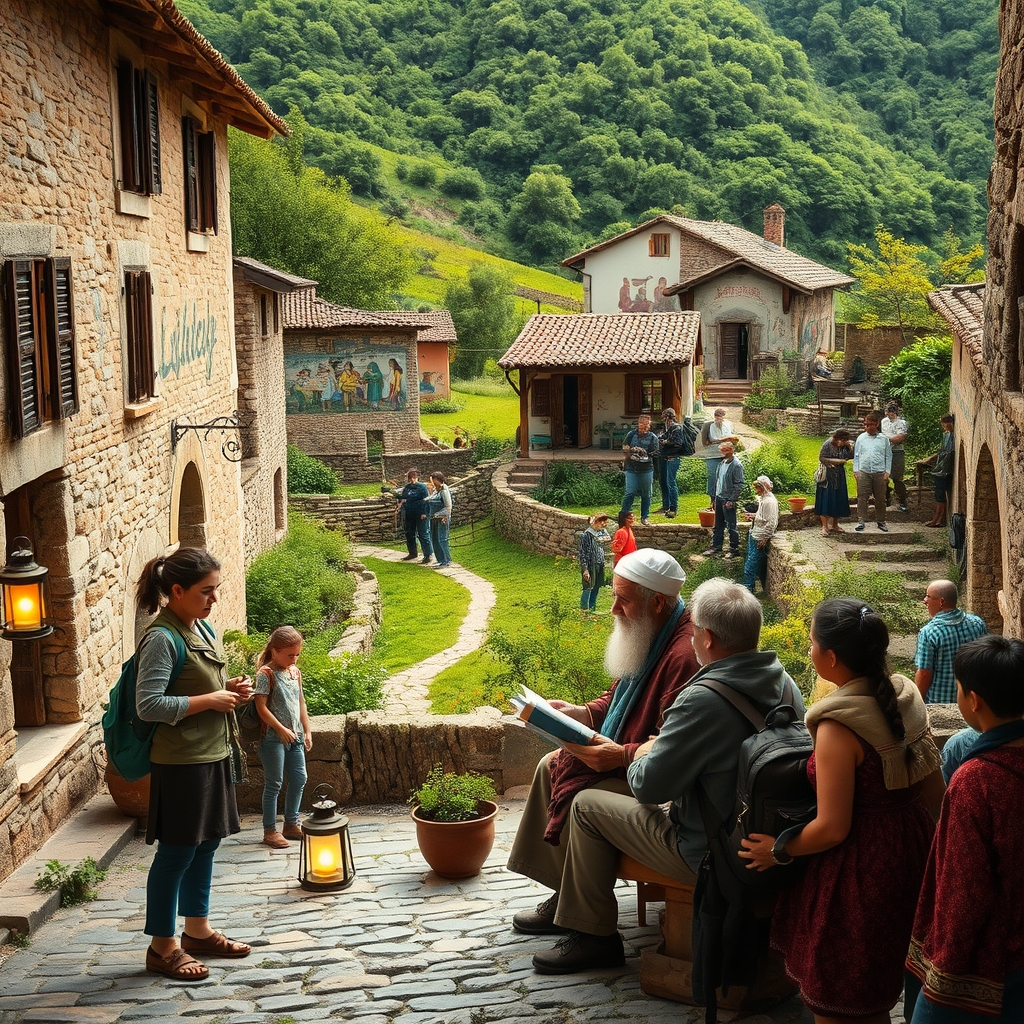
Central to the success of regenerative travel is the involvement of local communities. When travelers engage with residents, they gain authentic insights into the culture and challenges of a place. This exchange fosters mutual respect and understanding, breaking down the barriers between visitors and hosts. In turn, communities benefit from the economic and social impacts of tourism, which can help preserve their way of life and protect their environment.
In Bhutan, for example, the government has long prioritized Gross National Happiness over GDP, and tourism is carefully managed to ensure it aligns with this philosophy. Visitors are required to pay a daily sustainable development fee, which funds free healthcare, education, and infrastructure projects for locals. This model ensures that tourism is a force for good, benefiting both travelers and the communities they visit.
Crafting the Future of Cultural Heritage Tourism
The fusion of immersive storytelling and regenerative practices is redefining what it means to travel. No longer is tourism a one-way transaction; it is a dynamic exchange that enriches both the traveler and the destination. As more people seek meaningful connections and positive impacts, the demand for these experiences will continue to grow.
For those who wish to embark on this journey, the key lies in curiosity and intentionality. Seek out experiences that go beyond the surface, that challenge you to engage deeply with the world around you. Choose destinations and operators that prioritize the well-being of local communities and the environment. And above all, approach travel with an open heart and a willingness to learn, for it is in these moments of connection that the true magic of cultural heritage tourism is revealed.
The future of travel is not just about seeing the world—it’s about understanding it, preserving it, and leaving it a little better than we found it. In this way, every journey becomes a story worth telling, a legacy worth leaving, and a step toward a more connected and compassionate world.