
The Soul of the Journey: How Local Storytelling and AI Are Crafting the Future of Regenerative Culinary Tourism
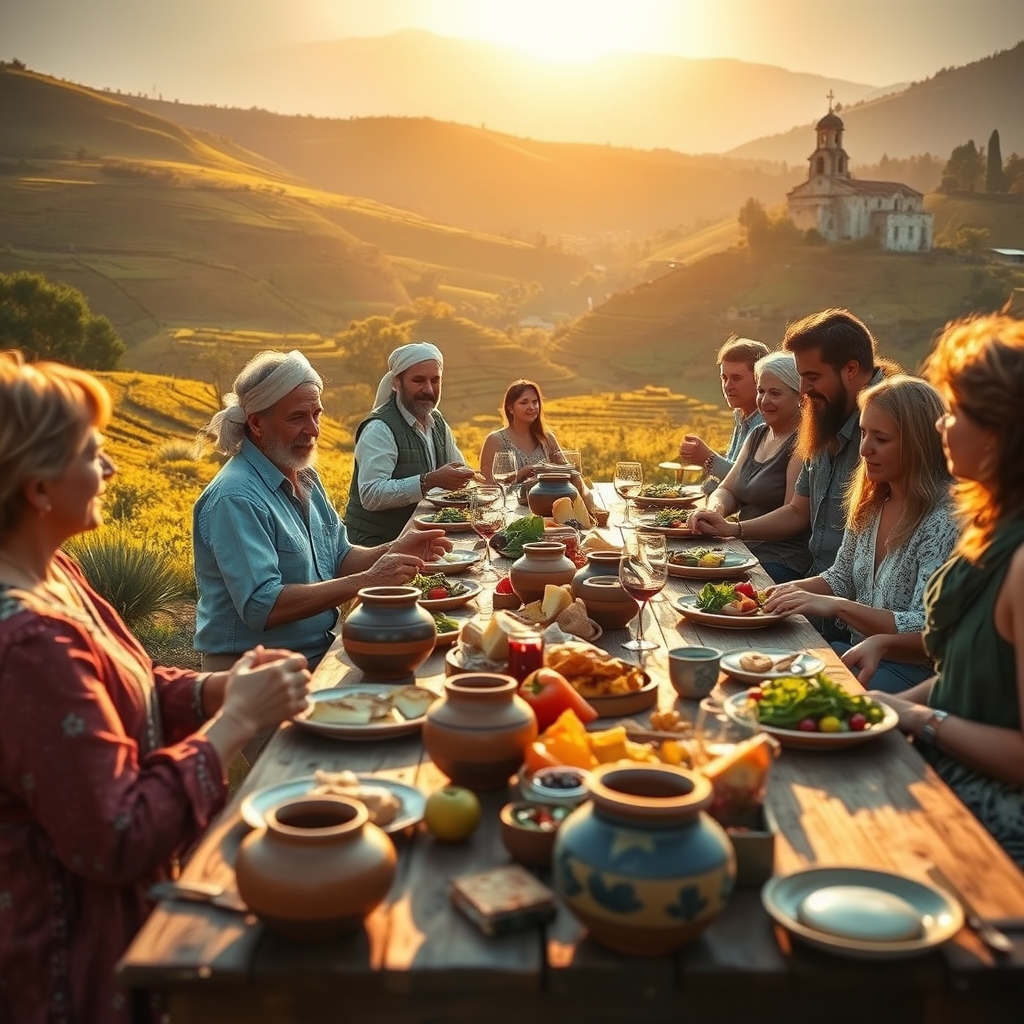
There is a quiet revolution unfolding in the world of travel, one that transcends the mere act of moving from one place to another. It is a movement rooted in the belief that journeys should nourish not just the traveler, but the land and communities they visit. At the heart of this transformation lies the fusion of regenerative culinary tourism and local storytelling, a pairing that is redefining what it means to explore the world. No longer satisfied with superficial experiences, modern travelers are seeking deeper connections—ones that leave a positive imprint on the destinations they touch.
The Rise of Regenerative Culinary Tourism
Regenerative travel is more than a buzzword; it is a philosophy that challenges the traditional tourism model. Unlike sustainable travel, which aims to minimize harm, regenerative travel seeks to actively restore and revitalize the environments and cultures it engages with. When applied to culinary tourism, this approach transforms food into a vehicle for healing—both for the traveler and the destination. Imagine dining at a farm-to-table restaurant where the ingredients are not only organic but grown in a way that replenishes the soil, supports local farmers, and preserves biodiversity. This is the essence of regenerative culinary tourism: a meal that gives back as much as it takes.
Destinations like Costa Rica and Portugal are leading the way, where regenerative agriculture and eco-conscious dining are becoming the norm. Travelers are no longer passive consumers; they are participants in a cycle of renewal. By choosing restaurants and experiences that prioritize regenerative practices, they contribute to the health of the land, the prosperity of local communities, and the preservation of culinary traditions that might otherwise fade away.
The Power of Local Storytelling in Travel
Food is never just about sustenance; it is a story waiting to be told. Every dish carries the history of the people who created it, the land that nurtured it, and the hands that prepared it. Local storytelling in culinary tourism is about uncovering these narratives and weaving them into the traveler’s experience. It is the difference between eating a plate of pasta in Italy and learning how a grandmother’s recipe has been passed down through generations, shaped by the rhythms of the seasons and the struggles of the land.
Storytelling tours, led by local guides or even the chefs themselves, are becoming increasingly popular. These experiences go beyond the typical cooking class or food tour. They invite travelers into the homes of farmers, fishermen, and artisans, where they hear firsthand how traditions have evolved and why they matter. In Mexico, for example, travelers can visit a family-run mezcal distillery and learn not just how the spirit is made, but how it has become a symbol of resistance and cultural identity. These stories turn a meal into a memory and a destination into a living, breathing entity.
AI as the Bridge Between Travelers and Local Narratives
While the human element of storytelling is irreplaceable, AI travel planning is emerging as a powerful tool to enhance these experiences. Imagine an app that doesn’t just recommend restaurants based on reviews, but curates a personalized culinary journey based on your interests, dietary preferences, and the stories you want to explore. AI can analyze vast amounts of data—from local food trends to historical narratives—and suggest hidden gem destinations that align with a traveler’s desire for authenticity and regeneration.
For instance, an AI-powered platform might connect a traveler with a small-scale olive oil producer in Greece, where they can participate in the harvest and hear the story of how the groves have been tended for centuries. Or it might recommend a regenerative winery in Chile, where the focus is on restoring the land while producing world-class wines. By leveraging AI, travelers can access experiences that are not only unique but also meaningful, ensuring that their journey leaves a positive impact.
The Future of Immersive Culinary Experiences
The fusion of regenerative practices, local storytelling, and AI is giving rise to a new kind of travel—one that is immersive, intentional, and deeply personal. Immersive tourism is no longer confined to virtual reality or guided tours; it is about engaging all the senses and forging a connection that lingers long after the journey ends. A regenerative culinary experience might begin with a sunrise harvest in a rice paddy in Bali, followed by a cooking class where the chef shares the history of the spices used in the dish. It might end with a communal meal under the stars, where travelers and locals alike share stories and laughter.
This shift is also redefining the role of the traveler. No longer a spectator, the modern explorer is an active participant in the story of a place. They are invited to contribute—to plant a tree, to learn a traditional recipe, to support a local business. In doing so, they become part of the narrative, leaving behind a legacy that extends far beyond their visit.
Hidden Gems and the Art of Slow Discovery
In a world where travel is often reduced to a checklist of must-see attractions, the allure of hidden gem destinations lies in their ability to surprise and inspire. These are the places where regenerative culinary tourism thrives—where the pace is slower, the connections are deeper, and the experiences are unscripted. AI can play a role here too, by uncovering these lesser-known spots and matching them with travelers who crave authenticity over popularity.
Consider the small villages of Georgia, where winemaking is an ancient tradition passed down through generations. Or the coastal towns of Portugal, where fishermen still use techniques that have been perfected over centuries. These are the places where regenerative culinary tourism is not just a trend, but a way of life. By choosing to explore these hidden gems, travelers support the preservation of cultural heritage and contribute to the economic resilience of local communities.
The future of travel is not about escaping the world, but about engaging with it in a way that is meaningful and mutually beneficial. It is about recognizing that every meal, every story, and every journey has the power to heal, to connect, and to transform. As technology and tradition converge, the possibilities for regenerative culinary tourism are limitless. The question is no longer where we will go next, but how we will leave the places we visit better than we found them. The soul of the journey lies not in the destination, but in the stories we create along the way—and the legacy we choose to leave behind.