Fires of Devotion: The Tenggerese Legacy and the Sacred Flames of Mount Bromo
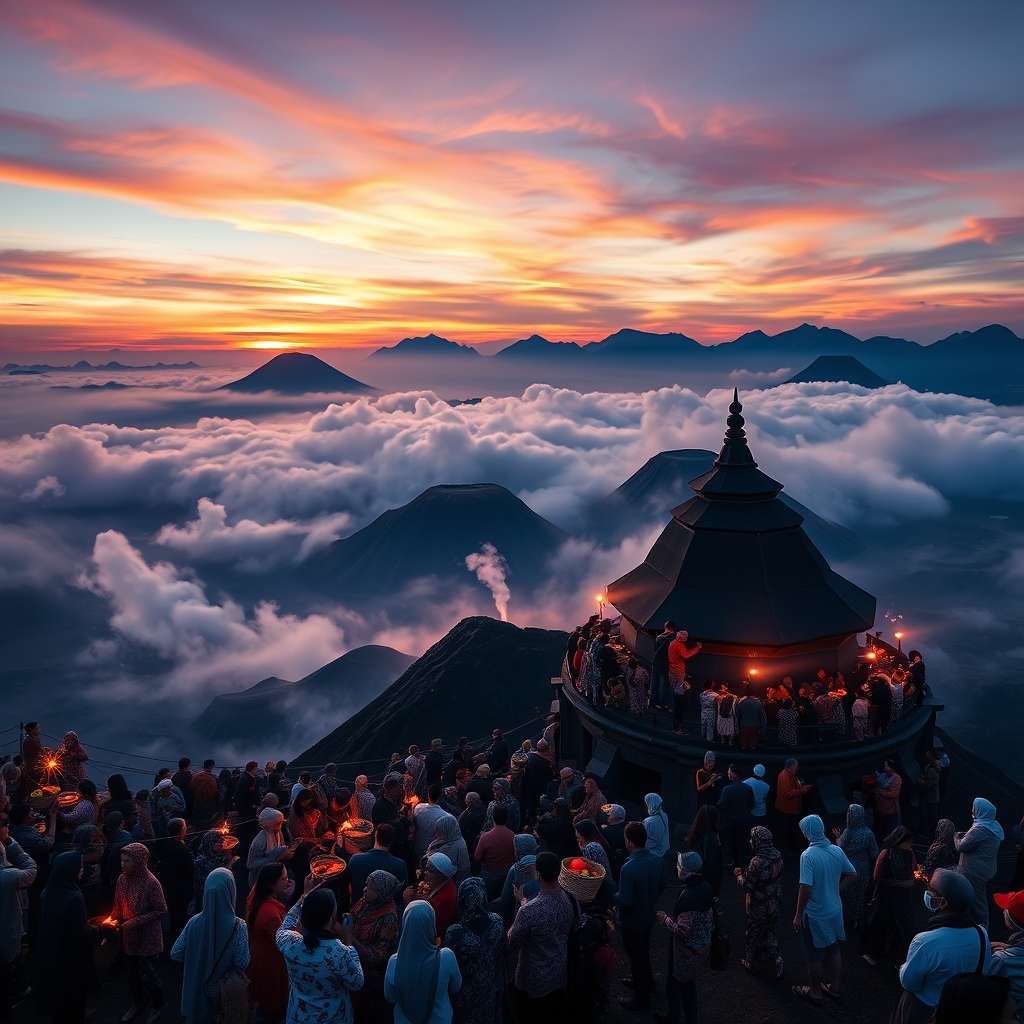
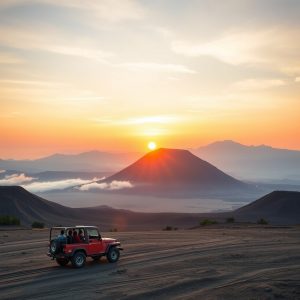
The mist-cloaked peaks of Mount Bromo rise like ancient sentinels over the vast Tengger Caldera, their slopes whispering tales of devotion, resilience, and a culture that has thrived for centuries against the backdrop of one of Indonesia’s most iconic landscapes. The Tenggerese people, an indigenous community with deep-rooted ties to the volcanic highlands of East Java, have preserved a way of life that intertwines Hindu traditions with the raw, untamed spirit of the land. At the heart of their cultural identity lies the Yadnya Kasada Festival, a mesmerizing spectacle of faith and folklore that draws pilgrims and travelers alike to the sacred grounds of Luhur Poten Temple.
The Origins of the Tenggerese: A Tapestry of Myth and History
The story of the Tenggerese begins with the legendary figures of Roro Anteng and Joko Seger, whose names are etched into the collective memory of the tribe. According to folklore, Roro Anteng, the beautiful daughter of a powerful king, and Joko Seger, a humble but wise commoner, fell in love and sought refuge in the secluded highlands to escape the wrath of a rival kingdom. Their union gave birth to the Tenggerese people, a name derived from the last syllables of their names: *Teng* from Roro Anteng and *Ger* from Joko Seger. The couple’s descendants were said to have been blessed by the gods, tasked with safeguarding the sacredness of Mount Bromo and its surrounding peaks.
Historically, the Tenggerese are believed to be descendants of the Majapahit Empire, one of the last great Hindu-Buddhist kingdoms of Java. As Islam spread across the island, many Javanese converted, but the Tenggerese retreated into the highlands, preserving their Hindu traditions in isolation. This geographical and cultural seclusion allowed them to maintain a unique identity, blending elements of ancient Javanese Hinduism with indigenous animist beliefs. Today, their culture stands as a living testament to the enduring power of tradition in the face of change.
The Sacred Heart of Tenggerese Spirituality: Luhur Poten Temple
Perched on the edge of the Tengger Caldera, Luhur Poten Temple serves as the spiritual epicenter of the Tenggerese community. Unlike the ornate temples of Bali, Luhur Poten is a modest yet profoundly sacred structure, constructed from black volcanic stone that seems to absorb the misty hues of the surrounding landscape. The temple is dedicated to Sang Hyang Widhi, the supreme god in Tenggerese Hinduism, and is the focal point for rituals that honor the mountain’s spirits and seek their blessings.
The temple’s sanctity is amplified during the Yadnya Kasada Festival, when thousands of Tenggerese gather to offer prayers, fruits, vegetables, livestock, and even money to the gods. The offerings are cast into the crater of Mount Bromo as a symbol of gratitude and a plea for protection. This act of devotion is not merely a ritual; it is a reaffirmation of the bond between the Tenggerese and the land they consider sacred. The temple’s priests, known as *dukun*, play a pivotal role in these ceremonies, acting as intermediaries between the physical and spiritual realms.
The Role of the Dukun: Guardians of Tradition
The *dukun* are more than just religious leaders; they are the custodians of Tenggerese heritage, entrusted with preserving the tribe’s oral histories, healing practices, and spiritual knowledge. These priests undergo rigorous training, often spanning decades, to master the intricate rituals and chants that define Tenggerese Hinduism. Their authority is derived not only from their spiritual prowess but also from their deep connection to the community, where they serve as advisors, healers, and mediators.
One of the most fascinating aspects of the *dukun’s* role is their ability to communicate with the spirits of Mount Bromo. During ceremonies, they enter trance-like states, channeling the voices of the mountain’s deities to deliver prophecies, blessings, or warnings. This spiritual communion is a cornerstone of Tenggerese belief, reinforcing the idea that the land is alive with divine energy. For the Tenggerese, the *dukun* are not just priests; they are the living embodiment of their ancestors’ wisdom.
The Yadnya Kasada Festival: A Night of Fire and Faith
Every year, on the 14th day of the Kasada month in the traditional Tenggerese calendar, the Yadnya Kasada Festival transforms the slopes of Mount Bromo into a sea of flickering torches and chanting voices. The festival, which typically falls in June or July, is a vibrant celebration of faith, unity, and cultural pride. Its origins trace back to the legend of Roro Anteng and Joko Seger, who, after years of childlessness, were granted 25 children by the gods—with the condition that their youngest, Kesuma, be sacrificed to the mountain to ensure the prosperity of the land. The festival commemorates Kesuma’s sacrifice and the Tenggerese people’s ongoing commitment to honor the gods through offerings.
The night begins with a procession from the villages surrounding the caldera to Luhur Poten Temple, where the *dukun* lead prayers and blessings. As darkness falls, the crowd makes its way to the edge of Mount Bromo’s crater, where the offerings are thrown into the abyss. The sight of hundreds of Tenggerese, dressed in traditional attire, casting their offerings into the fiery depths is both awe-inspiring and humbling. For the Tenggerese, the festival is not just a ritual; it is a renewal of their covenant with the land, a promise to protect and revere the sacred mountain that has sustained them for generations.
The Modern Challenges to an Ancient Tradition
While the Yadnya Kasada Festival continues to draw thousands of visitors each year, the Tenggerese way of life faces modern challenges. The encroachment of tourism, environmental degradation, and the pressures of globalization threaten to erode the cultural fabric that has defined the community for centuries. Younger generations, drawn to the opportunities of urban life, are increasingly leaving the highlands, raising concerns about the future of Tenggerese traditions.
Yet, the spirit of the Tenggerese remains unbroken. Community leaders and cultural advocates are working tirelessly to preserve their heritage, from establishing cultural education programs to promoting sustainable tourism that respects the sacredness of the land. The Yadnya Kasada Festival, once a private ceremony, has become a platform for showcasing Tenggerese culture to the world, ensuring that their traditions are not forgotten but celebrated.
The story of the Tenggerese is one of harmony between humanity and nature, a delicate balance of devotion and resilience. As the first light of dawn breaks over the Tengger Caldera, casting golden hues over the volcanic landscape, it serves as a reminder that some legacies are as enduring as the mountains themselves. The flames of the Yadnya Kasada may flicker, but the fire of the Tenggerese spirit burns eternal, a beacon of cultural pride in an ever-changing world.