The Whispering Trails of Discovery: How AI and Local Storytelling Are Crafting the Future of Hidden Gem Eco Experiential Tourism
There’s a quiet revolution unfolding in the world of travel—one that doesn’t rely on crowded tourist hotspots or over-commercialized experiences. Instead, it thrives in the spaces between the well-trodden paths, where the stories of a place are still told by those who live them. This is the realm of hidden gem eco experiential tourism, where artificial intelligence and local storytelling converge to create journeys that are as transformative for the traveler as they are for the destinations themselves. It’s a movement that prioritizes depth over speed, connection over convenience, and regeneration over exploitation.
The Rise of the Invisible Guide
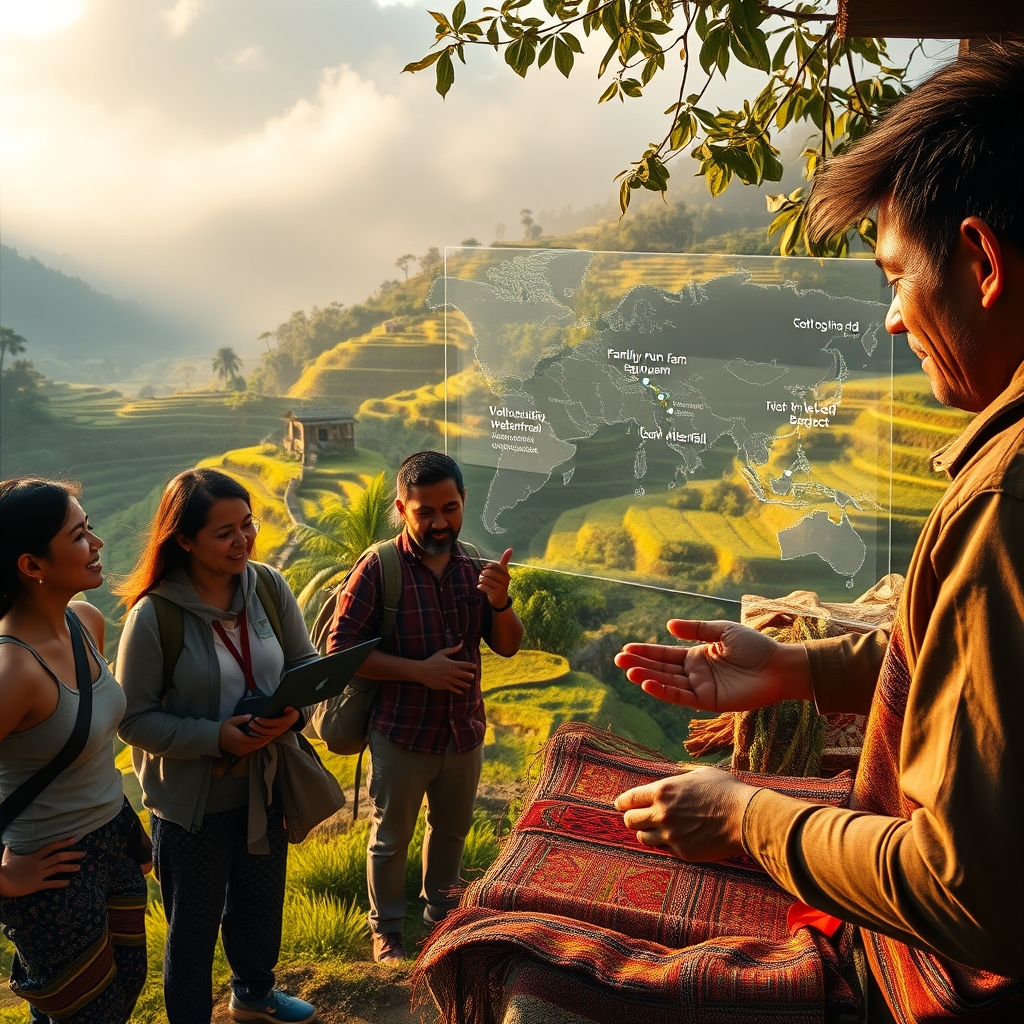
Imagine stepping into a village nestled in the highlands of Peru, where the air hums with the quiet energy of ancient traditions. Instead of a generic tour guide reciting facts from a script, your companion is an app—one that doesn’t just tell you where to go, but why it matters. Powered by AI, this digital guide learns from the stories of local artisans, farmers, and historians, weaving their narratives into a personalized journey. It doesn’t just show you the ruins of Machu Picchu; it introduces you to the weaver whose family has passed down textile techniques for generations, or the farmer who grows quinoa using methods older than the Inca Empire. This is the power of AI in travel: not replacing human connection, but amplifying it.
AI-driven platforms are now capable of curating experiences that feel deeply personal, yet are rooted in the collective wisdom of a place. By analyzing data from local storytellers, cultural historians, and even social media, these systems identify the hidden threads that connect a destination’s past to its present. The result? Travelers no longer skim the surface of a place; they dive into its soul, guided by the voices of those who know it best.
The Art of Slow Discovery
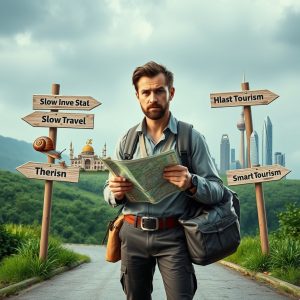
In a world where speed is often equated with success, hidden gem eco experiential tourism dares to slow down. It’s a rebellion against the whirlwind tours that rush travelers from one landmark to the next, leaving little room for genuine connection. Instead, it embraces the philosophy of slow travel, where the journey itself becomes the destination. Here, the goal isn’t to check off a list of must-see sights, but to immerse oneself in the rhythms of a place—whether that means spending a week learning the art of bread-making in a Tuscan village or participating in a traditional tea ceremony in Kyoto.
Local storytelling is the heartbeat of this approach. When travelers hear the tales of a place from those who call it home, the experience transcends mere observation. A farmer’s story about the land he tends becomes a lesson in sustainability. A fisherman’s account of the changing tides becomes a conversation about climate change. These narratives transform travel into a dialogue, one where the traveler is no longer a passive observer, but an active participant in the story of a place.
Regeneration Through Connection
The most profound shift in this new wave of tourism is its focus on regeneration. Unlike traditional tourism, which often extracts value from a destination without giving back, eco experiential tourism seeks to leave a place better than it was found. This is achieved through a symbiotic relationship between travelers and locals, where both parties contribute to the preservation and enrichment of the destination. AI plays a crucial role here, too, by identifying opportunities for sustainable engagement—whether that’s connecting travelers with conservation projects, local cooperatives, or community-led initiatives.
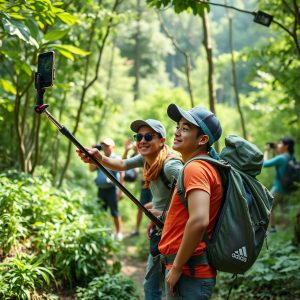
Take, for example, a hidden gem destination like the Azores, an archipelago in the middle of the Atlantic. Here, AI-powered platforms might suggest a visit to a family-run farm where travelers can learn about permaculture, or a guided hike led by a local biologist who shares insights into the island’s unique ecosystem. The experience isn’t just about seeing the beauty of the Azores; it’s about understanding the delicate balance that sustains it and how travelers can help protect it.
The Future of Travel is Invisible
As technology continues to evolve, so too does the potential for hidden gem eco experiential tourism. Virtual reality, for instance, is no longer just a tool for armchair travel; it’s becoming a way to preview and deepen real-world experiences. Imagine donning a VR headset before your trip to explore the streets of a Moroccan medina, guided by the voice of a local storyteller. By the time you arrive, the place will already feel familiar, not because you’ve seen it in a guidebook, but because you’ve heard its stories and felt its rhythm.
Yet, for all its innovation, the future of travel still hinges on the oldest technology of all: human connection. AI and VR can open doors, but it’s the stories of the people behind them that make a place unforgettable. The most transformative journeys are those where travelers leave not just with photographs, but with a piece of the destination’s soul—whether that’s the recipe for a grandmother’s pasta sauce, the memory of a shared laugh with a stranger, or the quiet understanding that the world is far richer when we take the time to listen.
The Hidden Gems Are Waiting
The world is full of places that don’t make it onto postcards or into travel brochures, but that doesn’t mean they lack magic. In fact, it’s often the opposite. The most extraordinary experiences are found in the quiet corners of the world, where the stories are still told by those who live them, and where travelers are welcomed not as spectators, but as participants. With the help of AI and the power of local storytelling, these hidden gems are no longer out of reach. They’re waiting to be discovered, one whisper at a time, by those willing to listen.
Travel, at its core, has always been about more than just movement. It’s about transformation—the kind that happens when we step outside our comfort zones and into the unknown. In this new era of eco experiential tourism, that transformation is mutual. Travelers return home changed, but so do the places they visit. The stories they hear become part of their own narrative, and the connections they make leave a lasting imprint on the destinations they touch. This is the future of travel: not a one-way journey, but a shared adventure, where every step forward is a step toward a more connected, regenerative world.