
The Whispering Kitchens: How Culinary Tourism and Local Storytelling Are Crafting the Soul of Halal Eco Experiential Travel
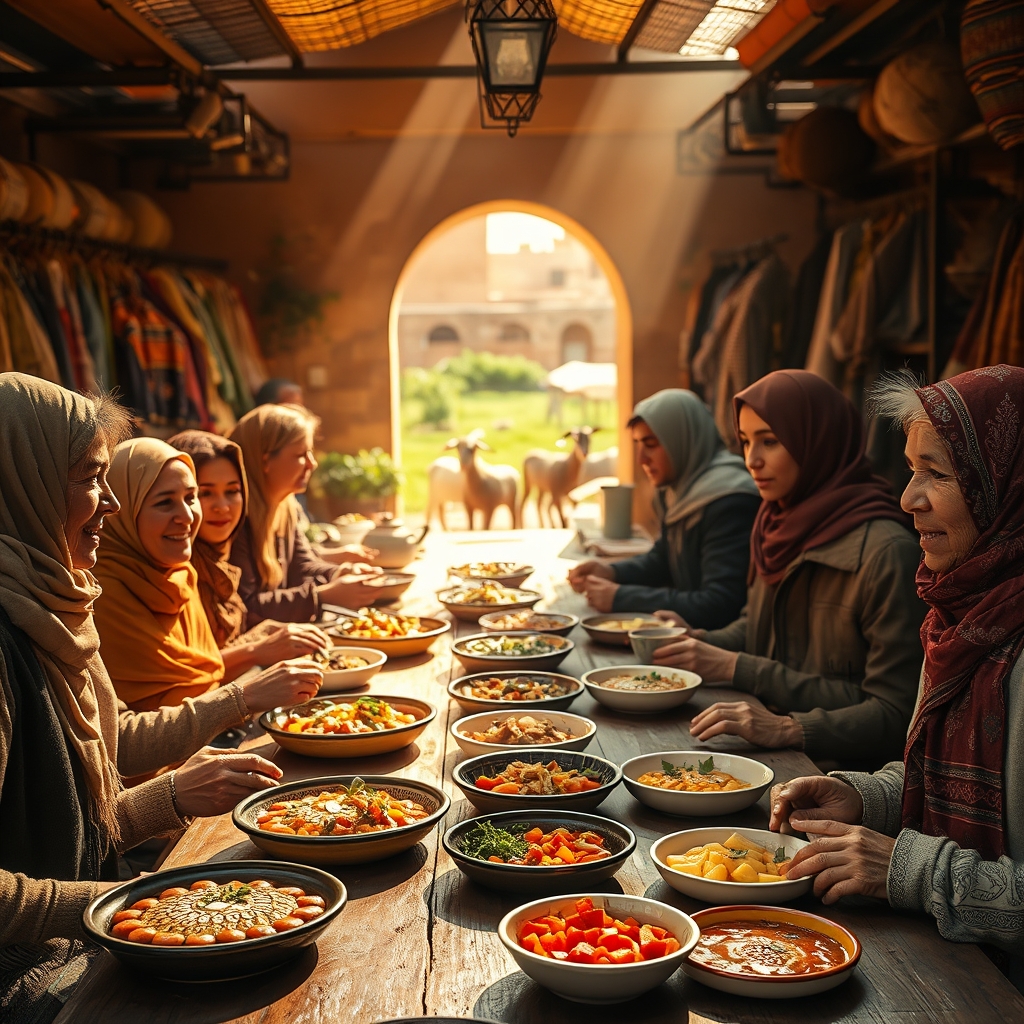
In a world where travel has become synonymous with ticking off bucket-list landmarks, a quieter revolution is unfolding—one that invites wanderers to slow down, savor, and truly connect with the places they visit. At the heart of this movement lies the fusion of culinary tourism and local storytelling, particularly within the rich tapestry of Halal tourism. This isn’t just about tasting food; it’s about tasting the stories, traditions, and values that have shaped communities for generations. When combined with the principles of eco experiential travel, it becomes a powerful force for cultural preservation, environmental stewardship, and authentic human connection.
The Alchemy of Halal Culinary Storytelling
Halal cuisine is far more than a dietary preference—it’s a way of life, a reflection of faith, history, and community. From the spice-laden streets of Marrakech to the fragrant kitchens of Istanbul, Halal food carries with it the whispers of ancestors, the rhythms of daily life, and the unspoken bonds that tie people to their land. Culinary tourism in this context becomes a gateway to understanding the soul of a destination, not just its flavors.
Imagine stepping into a family-run warung in Malaysia, where the scent of lemongrass and turmeric fills the air. The owner, a third-generation cook, shares how her grandmother taught her to balance the heat of chilies with the sweetness of coconut milk—a metaphor for life’s struggles and joys. Or picture yourself in a souk in Oman, where a spice merchant recounts how frankincense, once worth its weight in gold, was traded along ancient routes that connected civilizations. These are not just meals; they are immersive experiences that weave together history, spirituality, and sustainability.
Why Halal Tourism Demands a Storytelling Approach
Halal tourism is one of the fastest-growing segments in the travel industry, yet it often faces misconceptions. Many travelers assume it’s solely about religious compliance, but in reality, it’s about cultural immersion, ethical consumption, and mindful exploration. Local storytelling bridges the gap between perception and reality, allowing visitors to see Halal destinations through the eyes of those who call them home.
For instance, a slow travel itinerary in Turkey might include a visit to a yayla (highland pasture), where nomadic herders share how they produce kaymak (clotted cream) using age-old techniques that honor the land. The story of their migration, their respect for animal welfare, and their zero-waste practices become as integral to the experience as the creamy delicacy itself. This is regenerative travel in action—where every bite, every story, leaves a positive impact on both the traveler and the host community.
The Green Plate: How Halal Culinary Tourism Supports Sustainability
One of the most compelling aspects of Halal culinary tourism is its inherent alignment with sustainable practices. Halal dietary laws emphasize ethical treatment of animals, minimal waste, and respect for natural resources—principles that resonate deeply with eco-conscious travelers. When combined with local storytelling, these practices take on new meaning, transforming meals into lessons in environmental stewardship.
Consider the nasi uduk stalls of Jakarta, where vendors use banana leaves as plates, a tradition that predates plastic waste. Or the tagines of Morocco, slow-cooked in clay pots that retain heat and reduce energy consumption. These aren’t just culinary techniques; they’re sustainable innovations passed down through generations. By engaging with these stories, travelers become part of a larger narrative—one that values the planet as much as the palate.
From Farm to Fork: The Regenerative Power of Halal Food Tours
The farm-to-table movement has gained global traction, but in Halal culinary tourism, it takes on a deeper dimension. Many Halal food tours now incorporate visits to organic farms, where travelers learn about permaculture, water conservation, and biodiversity. In Indonesia, for example, a tour might include a stop at a sawah (rice paddy), where farmers explain the subak system—a centuries-old irrigation cooperative that ensures fair water distribution and ecological balance.
These experiences do more than educate; they empower. Travelers leave with a newfound appreciation for the interconnectedness of food, culture, and nature. They return home not just with recipes, but with a commitment to supporting sustainable agriculture and ethical consumption. This is the essence of regenerative travel—a journey that gives back more than it takes.
Crafting the Future: Technology Meets Tradition in Halal Eco Experiential Travel
While the heart of Halal culinary tourism lies in human connection, technology is playing an increasingly vital role in enhancing these experiences. AI travel planning tools can now curate personalized itineraries that highlight Halal-friendly hidden gem destinations, from the vineyards of Lebanon to the spice gardens of Zanzibar. Virtual reality (VR) platforms offer immersive previews of cooking classes, allowing travelers to virtually step into a kitchen in Cairo or a medina in Fez before they even book their flights.
Yet, the most powerful technology is often the simplest: the smartphone. Apps like Halal Trip and Muslim Pro provide real-time information on Halal dining options, prayer times, and sustainable travel tips, ensuring that travelers can explore with confidence and respect. Meanwhile, social media platforms like Instagram and TikTok have become digital storytelling hubs, where local chefs and guides share their narratives with a global audience, inspiring others to embark on their own culinary adventures.
The Role of Digital Nomads in Halal Eco Tourism
The rise of digital nomadism has opened new doors for Halal culinary tourism. Remote workers seeking long-term stays in Halal-friendly destinations are increasingly drawn to eco-friendly accommodations that offer cooking classes, farm visits, and cultural exchanges. Cities like Kuala Lumpur, Dubai, and Istanbul are responding by creating bleisure travel hubs that cater to both work and wellness, blending modern amenities with traditional hospitality.
For digital nomads, these experiences offer more than just a change of scenery; they provide a sense of belonging. Sharing a meal with locals, learning to cook a family recipe, or participating in a community project fosters connections that transcend borders. In this way, Halal culinary tourism becomes a bridge between the old and the new, the local and the global, the spiritual and the sustainable.
As the sun sets over a bustling market in Istanbul or a quiet village in Malaysia, the aroma of spices lingers in the air, carrying with it the stories of those who prepared them. These are the moments that define Halal eco experiential travel—not as a trend, but as a timeless way of exploring the world. It’s a reminder that the most meaningful journeys are not measured in miles, but in the connections we make, the traditions we honor, and the planet we protect. Every dish tells a story, and every traveler has the power to become part of that narrative, one bite at a time.