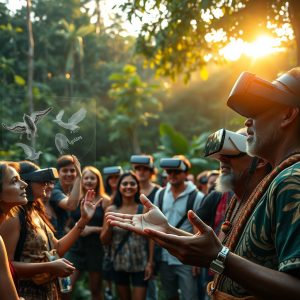
The Fusion of Tradition and Innovation: How Halal Tourism and Smart Tech Are Crafting Immersive Eco Experiences
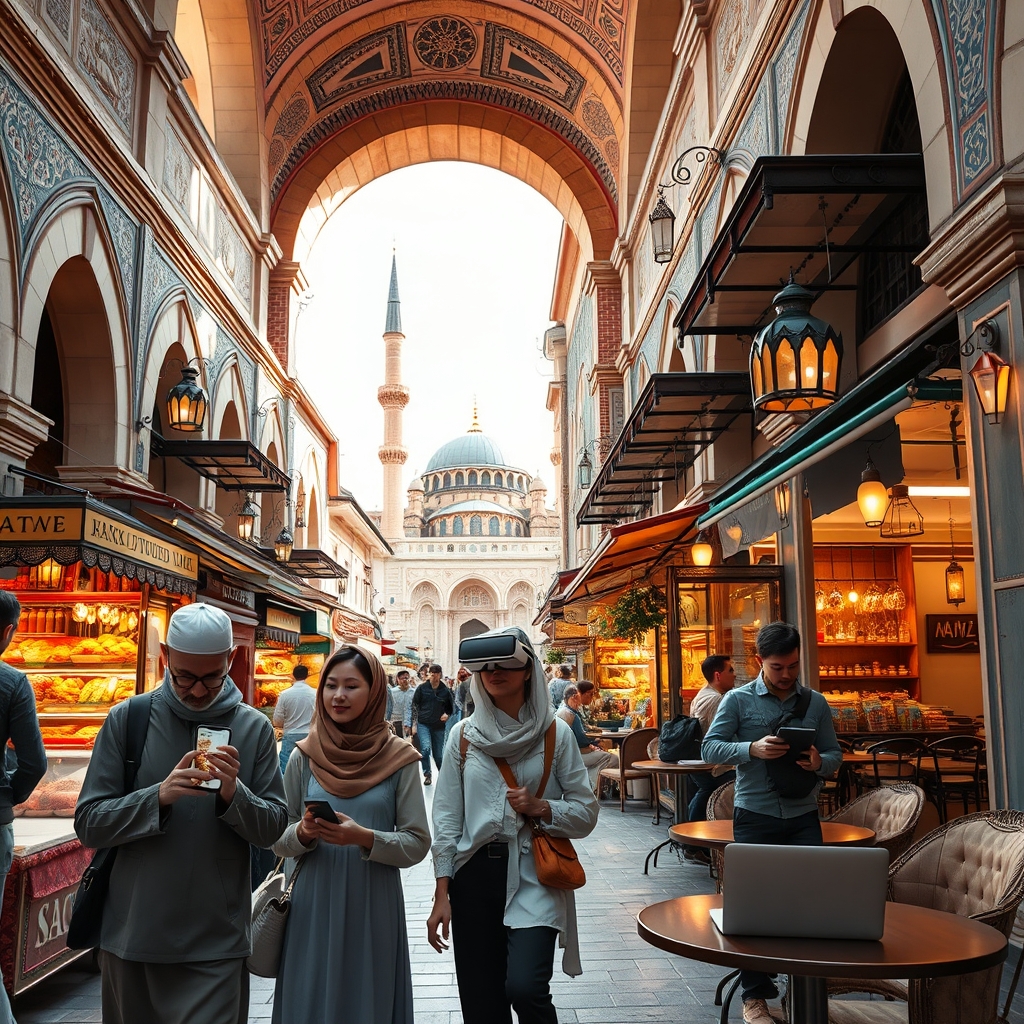
In an era where travel is no longer just about visiting destinations but experiencing them in ways that resonate deeply with personal values and cultural identities, Halal Tourism has emerged as a powerful force. It’s a niche that caters not only to Muslim travelers seeking destinations, accommodations, and experiences aligned with their faith but also to anyone drawn to the richness of Islamic culture, history, and traditions. Yet, what happens when this deeply rooted tradition meets the cutting-edge innovations of Smart Tourism? The result is a transformative travel experience that blends authenticity with technology, creating journeys that are not only immersive but also sustainable and deeply personal.
The Essence of Halal Tourism: More Than Just a Checklist
Halal Tourism is often misunderstood as merely a set of guidelines—halal food, prayer facilities, and gender-segregated spaces. While these elements are undoubtedly important, they only scratch the surface of what Halal Tourism truly represents. At its core, it’s about creating an environment where travelers can explore the world without compromising their beliefs, while also engaging with the cultural and spiritual essence of their destinations. This could mean staying in eco-friendly accommodations that adhere to Islamic principles of sustainability, such as minimizing waste and conserving water, or participating in local storytelling tours that weave tales of Islamic heritage into the fabric of the destination.
For instance, imagine wandering through the historic streets of Istanbul, where a guided tour doesn’t just point out architectural marvels like the Blue Mosque or Hagia Sophia but also shares the stories of the artisans, scholars, and everyday people who shaped these landmarks. These narratives breathe life into the stones and mosaics, transforming a simple visit into an immersive experience that connects travelers to the soul of the city. When Halal Tourism is done right, it becomes a bridge between the past and the present, offering a lens through which travelers can see the world through a different cultural perspective.
Smart Tourism: The Digital Ally of Halal Travel
The rise of Smart Tourism has revolutionized the way we explore the world. From AI-powered travel planners that curate personalized itineraries to augmented reality (AR) apps that bring historical sites to life, technology has made travel more accessible, efficient, and engaging. For Halal Tourism, smart tech is not just a convenience—it’s a game-changer. It enables travelers to seamlessly integrate their faith-based needs into their journeys while also enhancing their overall experience.
Consider the role of AI travel planning in Halal Tourism. Platforms like HalalTrip and Muslim Pro use machine learning to recommend destinations, accommodations, and activities that align with Islamic values. These tools can suggest everything from halal-certified restaurants in Tokyo to prayer times adjusted to the local timezone, ensuring that travelers never feel out of sync with their spiritual practices. Beyond logistics, AI can also curate hidden gem destinations that might not be on the typical tourist radar but offer rich cultural and historical significance. For example, a traveler interested in Islamic history might be directed to the ancient city of Fez in Morocco, where the world’s oldest university, Al Quaraouiyine, stands as a testament to the golden age of Islamic scholarship.
Virtual reality (VR) is another frontier where Halal Tourism and smart tech intersect. Imagine donning a VR headset and being transported to the Alhambra in Granada, Spain, where you can explore the intricate Islamic architecture and gardens without leaving your home. While nothing can replace the tactile experience of standing in such a historic space, VR offers an accessible way to preview destinations, plan trips, or even revisit cherished memories. For travelers with mobility challenges or those who prefer to minimize their carbon footprint, VR can provide a meaningful alternative to physical travel, aligning with the principles of sustainable tourism.
Eco-Friendly Accommodations: Where Faith Meets Sustainability
One of the most exciting developments in Halal Tourism is the rise of eco-friendly accommodations that cater to Muslim travelers. These spaces go beyond the basics of halal food and prayer facilities to incorporate sustainable practices that reflect Islamic teachings on environmental stewardship. For example, the Soneva Jani resort in the Maldives offers a luxurious yet eco-conscious experience, with villas built from sustainable materials, solar-powered energy, and a commitment to zero waste. The resort also provides halal dining options and prayer spaces, ensuring that Muslim travelers can enjoy a guilt-free stay that aligns with their values.
Similarly, the Alila Villas Uluwatu in Bali combines modern luxury with traditional Islamic design elements, such as open-air pavilions and water features that evoke the tranquility of Islamic gardens. The resort’s commitment to sustainability is evident in its use of locally sourced materials, energy-efficient systems, and a ban on single-use plastics. For travelers seeking a blend of spiritual fulfillment and environmental responsibility, these accommodations offer a sanctuary where faith and sustainability coexist harmoniously.
Local Storytelling and Culinary Tourism: The Heart of Halal Experiences
No journey is complete without the stories that give a destination its character. In Halal Tourism, local storytelling tours play a crucial role in creating immersive experiences that go beyond the surface. These tours often focus on the Islamic heritage of a region, highlighting the contributions of Muslim communities to art, science, and culture. For example, in Andalusia, Spain, a storytelling tour might explore the legacy of Al-Andalus, the medieval Islamic kingdom that left an indelible mark on Spanish architecture, language, and cuisine. Travelers can walk through the streets of Córdoba, where the Mezquita stands as a symbol of religious harmony, and hear tales of the scholars and poets who once thrived there.
Culinary tourism is another avenue where Halal Tourism shines. Food is a universal language, and halal cuisine offers a gateway to understanding the cultural and religious traditions of a destination. From the aromatic spices of Moroccan tagines to the rich flavors of Turkish kebabs, halal food is a celebration of diversity and history. In Malaysia, for instance, travelers can participate in a farm-to-fork experience, where they visit local markets, learn about halal food preparation, and even try their hand at cooking traditional dishes. These experiences not only satisfy the palate but also foster a deeper connection to the local culture and its people.
The Future of Halal Tourism: A Harmonious Blend of Tradition and Innovation
As Halal Tourism continues to evolve, the integration of smart technology will play an increasingly vital role in shaping its future. AI, VR, and other digital tools will make it easier for travelers to find destinations and experiences that align with their values, while also enhancing the depth and authenticity of their journeys. Yet, at its heart, Halal Tourism will always be about more than just technology—it’s about the human connections, the stories, and the shared experiences that make travel meaningful.
The fusion of tradition and innovation in Halal Tourism is a testament to the adaptability of travel. It shows that even in a world driven by technology, there is still room for the timeless values of faith, culture, and sustainability. Whether it’s through the quiet reflection of a prayer in a historic mosque, the thrill of discovering a hidden gem destination, or the joy of sharing a meal with locals, Halal Tourism offers a way to explore the world that is both deeply personal and universally resonant. As travelers, we are no longer just observers of the world—we are active participants in its stories, and with the right blend of tradition and innovation, those stories can be as enriching as they are unforgettable.