Virtual Reality and the New Era of Immersive Cultural Heritage Tourism: Exploring the Past Without Leaving the Present
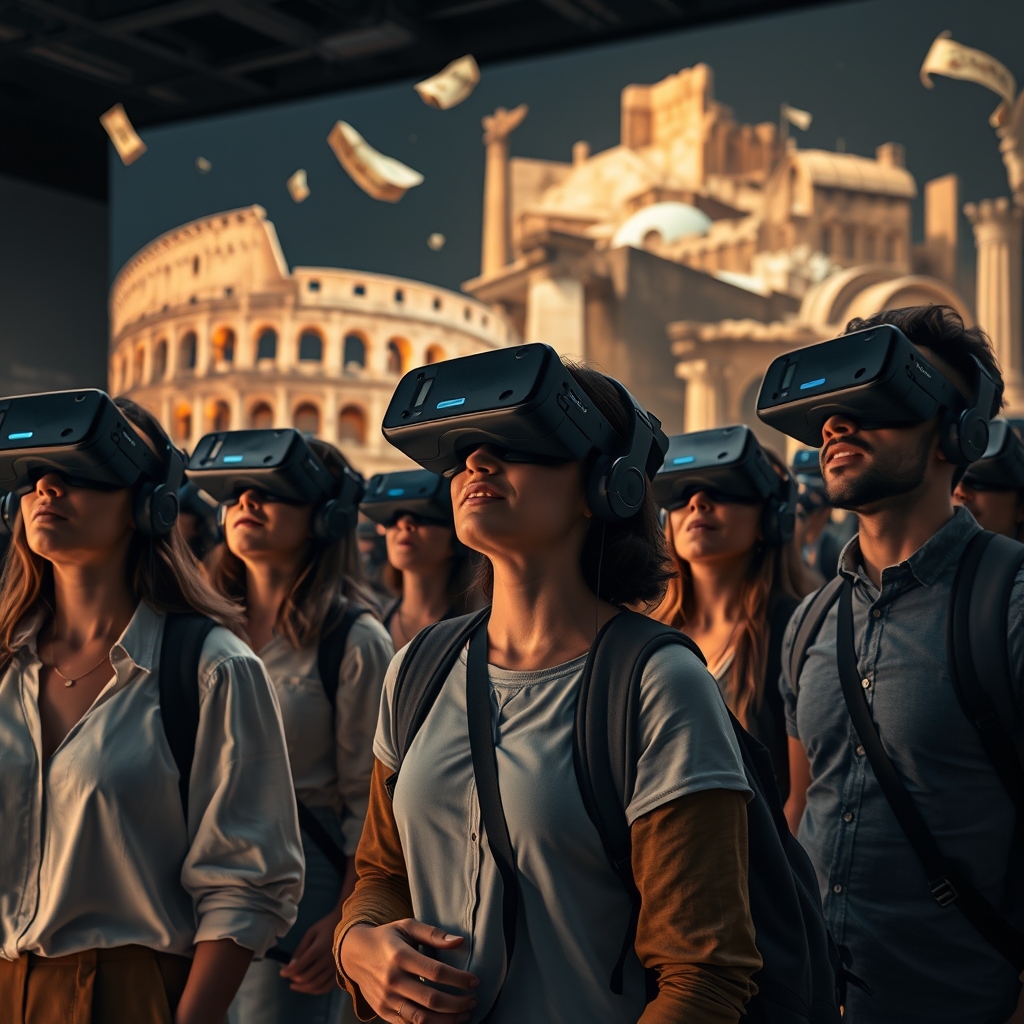
Imagine standing in the middle of the Colosseum, not as a tourist snapping photos behind a roped-off barrier, but as a spectator in ancient Rome, hearing the roar of the crowd and feeling the dust of the arena beneath your sandals. This is no longer the stuff of science fiction—it’s the transformative power of virtual reality (VR) in cultural heritage tourism. As technology continues to blur the lines between the physical and digital worlds, VR is emerging as a revolutionary tool for preserving, experiencing, and reimagining history in ways that were once unimaginable. This isn’t just about seeing the past; it’s about stepping into it, engaging with it, and understanding it on a deeply personal level.
The Evolution of Cultural Heritage Tourism
Cultural heritage tourism has long been a cornerstone of travel, drawing millions of visitors to historic sites, museums, and landmarks each year. Traditionally, these experiences have relied on static displays, guided tours, and informational plaques to convey the significance of a place. While these methods provide valuable context, they often fall short of creating a truly immersive connection. Visitors may leave with facts and figures, but rarely do they depart with a visceral sense of what it was like to live in another era.
Enter virtual reality. By leveraging cutting-edge technology, VR has the potential to transform passive observation into active participation. Whether it’s walking through the streets of Pompeii before the eruption of Mount Vesuvius or witnessing the construction of the Great Pyramid of Giza, VR allows travelers to engage with history in a way that is both educational and emotionally resonant. This shift from passive to immersive tourism is not just a trend—it’s a fundamental reimagining of how we experience the past.
How VR is Enhancing Cultural Heritage Experiences
One of the most compelling aspects of VR in cultural heritage tourism is its ability to restore and reconstruct sites that have been lost to time. Take, for example, the ancient city of Palmyra in Syria, much of which was destroyed during the conflict in the region. Through VR, visitors can explore a meticulously recreated digital version of the city, complete with its grand temples, bustling markets, and intricate architecture. This not only preserves the memory of Palmyra but also allows future generations to experience its beauty and significance.
Beyond restoration, VR is also being used to enhance existing heritage sites. Museums and historical landmarks are increasingly incorporating VR experiences to provide deeper context and engagement. The British Museum, for instance, offers a VR tour that allows visitors to explore the Parthenon Marbles in their original setting on the Acropolis. Similarly, the Louvre has experimented with VR to give visitors a closer look at the Mona Lisa, free from the crowds and glass barriers that typically obscure the painting. These experiences don’t replace the physical visit but rather enrich it, offering layers of understanding that would otherwise be inaccessible.
The Role of Local Storytelling in VR Experiences
What sets VR apart from other forms of digital engagement is its ability to weave local storytelling into the experience. Unlike traditional tours, which often rely on generic scripts, VR can incorporate the voices and narratives of local historians, descendants of historical figures, and even fictional characters based on real events. This approach not only adds authenticity but also fosters a deeper emotional connection to the material.
For example, a VR experience at the Gettysburg National Military Park might allow visitors to witness the Civil War battle through the eyes of a soldier, complete with personal anecdotes and historical details that bring the event to life. Similarly, a VR tour of the Mayan ruins of Chichen Itza could include stories passed down through generations of indigenous communities, offering insights into the cultural and spiritual significance of the site. By centering these narratives, VR transforms cultural heritage tourism into a more inclusive and meaningful experience.
The Intersection of VR and Sustainable Tourism
While VR offers unparalleled opportunities for immersion, it also presents a solution to some of the challenges facing sustainable tourism. Overtourism has become a pressing issue for many heritage sites, leading to environmental degradation, overcrowding, and strain on local communities. VR can help alleviate these pressures by providing an alternative way to experience these sites without physically being there.
This concept, often referred to as “virtual tourism,” allows travelers to explore destinations from the comfort of their homes, reducing their carbon footprint and minimizing the impact on fragile ecosystems. For example, a VR tour of Machu Picchu could offer the same breathtaking views and historical insights as an in-person visit, without contributing to the erosion of the site or the disruption of local wildlife. Moreover, virtual tourism can make cultural heritage sites accessible to those who may not have the means or ability to travel, democratizing access to history and culture.
Challenges and Considerations
Despite its potential, the integration of VR into cultural heritage tourism is not without challenges. One of the primary concerns is the risk of creating a disconnect between the digital and physical worlds. While VR can enhance a visit to a heritage site, it should not replace the tangible experience of being there. The goal is to strike a balance, using VR as a complementary tool rather than a substitute for real-world exploration.
Another consideration is the ethical implications of VR in heritage tourism. The recreation of historical sites and events must be done with care and respect, ensuring that the narratives presented are accurate and culturally sensitive. Collaboration with local communities, historians, and cultural experts is essential to avoid misrepresentation or exploitation of heritage for commercial gain.
The Future of Immersive Cultural Heritage Tourism
As VR technology continues to advance, the possibilities for immersive cultural heritage tourism are virtually limitless. Future developments may include haptic feedback systems that allow users to “feel” textures and temperatures from the past, or AI-driven avatars that can answer questions and provide real-time insights. Augmented reality (AR) is also poised to play a significant role, overlaying digital information onto physical sites to create hybrid experiences that blend the best of both worlds.
Beyond technology, the future of cultural heritage tourism lies in its ability to foster a sense of global citizenship. By breaking down barriers of time and space, VR has the power to connect people across cultures and generations, fostering empathy and understanding. Whether it’s a student in Tokyo exploring the streets of ancient Athens or a retiree in Buenos Aires witnessing the signing of the Declaration of Independence, VR can make history feel personal and relevant to everyone.
As we stand on the brink of this new era, it’s clear that virtual reality is more than just a tool—it’s a gateway to the past, a bridge to the present, and a promise for the future. The stories of our ancestors are no longer confined to the pages of a book or the walls of a museum; they are alive, waiting to be experienced, and ready to inspire the next generation of travelers. The question is no longer whether we can explore the past without leaving the present, but how far we’re willing to go to bring history to life.