The Whispering Trails of Wellness: How Slow Travel and Local Storytelling Are Crafting Holistic Healing Journeys
In a world that moves at breakneck speed, the concept of travel has evolved beyond mere sightseeing. It has become a sanctuary for the soul, a way to reconnect with oneself and the planet. Slow travel and local storytelling are emerging as the heart of wellness tourism, transforming journeys into profound healing experiences. These practices invite travelers to step off the beaten path, immerse themselves in the rhythm of local life, and uncover the hidden narratives that shape a destination’s identity. The result? A deeper, more meaningful connection to the places we visit—and to ourselves.
The Philosophy of Slow Travel: A Journey for the Senses
Slow travel is more than just a trend; it’s a philosophy that encourages mindful exploration. Unlike traditional tourism, which often rushes from one landmark to another, slow travel prioritizes quality over quantity. It’s about savoring the journey as much as the destination, allowing time to engage with the environment, the people, and the stories that define a place. This approach aligns perfectly with wellness tourism, where the goal is to nourish the mind, body, and spirit.
Imagine wandering through the misty hills of Tuscany, where the pace of life is dictated by the sun and the seasons. Here, travelers can participate in farm-to-table cooking classes, learn the art of olive oil pressing from local farmers, or simply sit in a sun-drenched piazza with a cup of espresso, soaking in the atmosphere. Slow travel isn’t about ticking off a checklist; it’s about creating memories that linger long after the journey ends.
The Role of Local Storytelling in Wellness Tourism
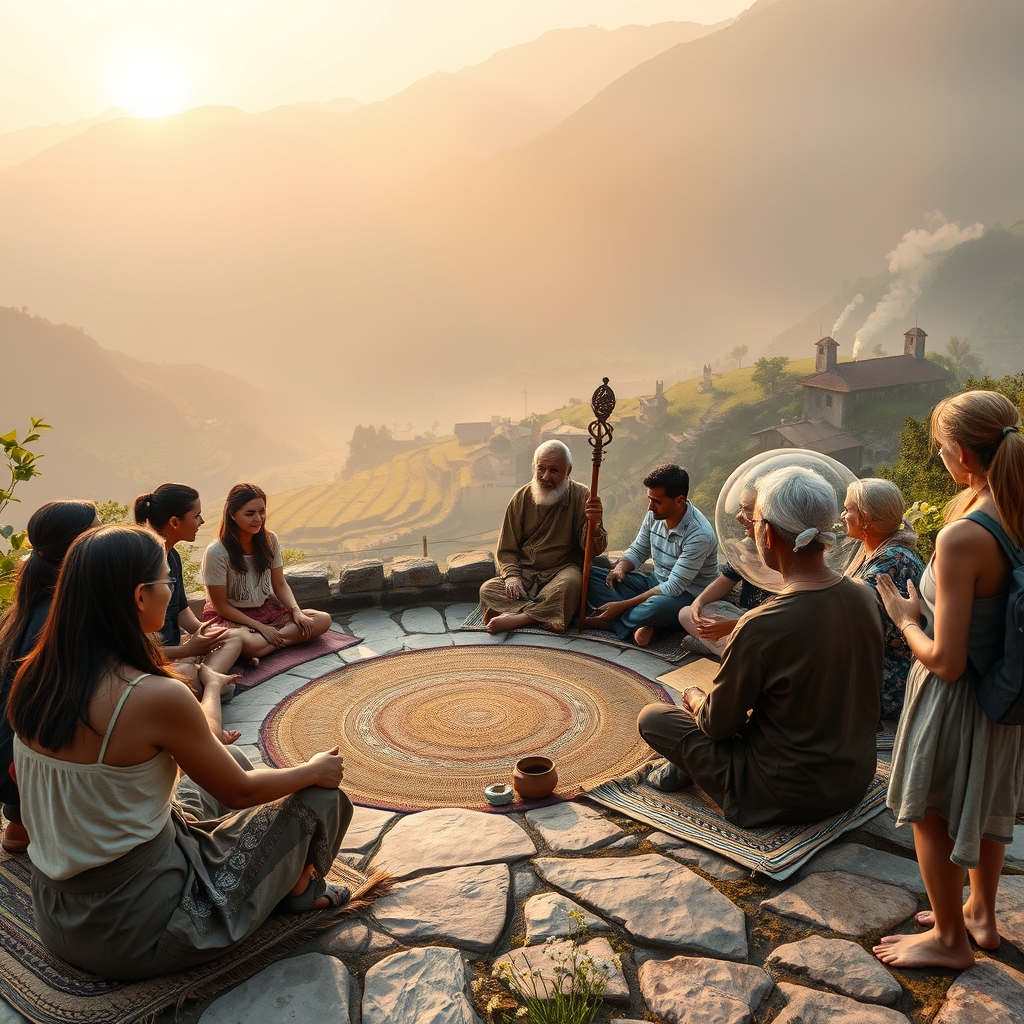
At the heart of slow travel lies local storytelling—a powerful tool that transforms a trip into an immersive experience. Stories have the unique ability to bridge cultures, foster empathy, and create a sense of belonging. When travelers engage with the narratives of a place, they gain a deeper understanding of its history, traditions, and values. This connection is especially potent in wellness tourism, where healing is often tied to cultural and spiritual practices.
Consider the ancient healing traditions of Bali, where local storytellers, known as *dalangs*, weave tales of gods and heroes through shadow puppet performances. These stories are not just entertainment; they are a form of spiritual guidance, passed down through generations. Travelers who participate in these rituals often find themselves on a journey of self-discovery, as the narratives resonate with their own life experiences. Similarly, in the highlands of Peru, shamans share stories of the Andean cosmology, inviting visitors to connect with the earth and its energies through sacred ceremonies. These experiences transcend typical tourism, offering a path to inner peace and renewal.
Wellness Tourism: Beyond the Spa
Wellness tourism is often associated with luxury spas and yoga retreats, but its true essence lies in holistic healing. It’s about addressing the physical, emotional, and spiritual needs of travelers, often through practices rooted in local traditions. Slow travel and storytelling are the threads that weave these experiences together, creating a tapestry of wellness that is as unique as the destinations themselves.
In Japan, for example, the concept of *forest bathing* (*shinrin-yoku*) has gained global recognition as a form of nature therapy. Guided by local experts, travelers walk mindfully through ancient forests, absorbing the sights, sounds, and scents of the natural world. The practice is deeply rooted in Japanese culture, where the forest is seen as a sacred space for healing. Similarly, in India, Ayurveda—a 5,000-year-old system of medicine—offers travelers personalized wellness programs that include herbal treatments, yoga, and meditation. These experiences are often enhanced by local storytellers who share the wisdom of Ayurveda, helping travelers understand the philosophy behind the practices.
The Rise of Eco-Friendly Wellness Retreats
As travelers become more conscious of their environmental impact, eco-friendly wellness retreats are gaining popularity. These sanctuaries combine sustainable practices with holistic healing, offering a guilt-free escape for those seeking rejuvenation. From off-grid glamping sites in Costa Rica to zero-waste yoga retreats in Portugal, these destinations prove that wellness and sustainability can go hand in hand.
One such example is the *Fogo Island Inn* in Newfoundland, Canada, a luxury eco-retreat that blends modern design with traditional craftsmanship. The inn is deeply connected to the local community, with all profits reinvested into the island’s economy. Guests can participate in storytelling sessions with local fishermen, learn about the island’s history, and explore its rugged landscapes. The experience is a testament to how slow travel and local storytelling can create a sense of place that is both healing and transformative.
Crafting Your Own Wellness Journey
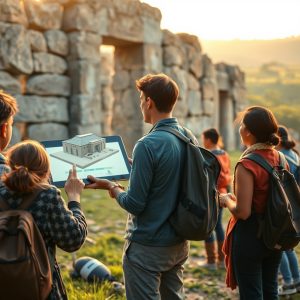
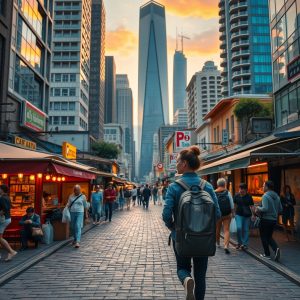
Embarking on a wellness journey rooted in slow travel and local storytelling doesn’t require a grand adventure. It can begin with small, intentional choices—choosing a family-run guesthouse over a chain hotel, dining at a local eatery instead of a tourist trap, or spending an afternoon listening to the stories of elders in a village square. The key is to approach travel with curiosity and openness, allowing the destination to guide the experience.
For those seeking a more structured journey, many tour operators now offer wellness-focused itineraries that prioritize slow travel and storytelling. Companies like *Intrepid Travel* and *G Adventures* have curated trips that combine cultural immersion with holistic healing, from meditation retreats in Bhutan to culinary tours in Italy that explore the therapeutic power of food. These experiences are designed to nourish the soul while leaving a positive impact on the communities visited.
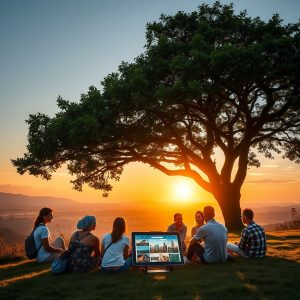
Technology, too, is playing a role in shaping the future of wellness tourism. AI-powered travel planners can help craft personalized itineraries that align with a traveler’s wellness goals, whether it’s finding a secluded beach for meditation or a hidden gem where local artisans share their craft. Virtual reality is also opening new doors, allowing travelers to preview destinations and connect with local storytellers before they even set foot on the ground. These tools make it easier than ever to design a journey that is both meaningful and transformative.
As we navigate a world that often feels disconnected, the fusion of slow travel and local storytelling offers a path back to ourselves. It reminds us that travel is not just about seeing new places, but about feeling them—deeply, authentically, and with an open heart. In the quiet moments between destinations, we find the stories that shape us, the connections that heal us, and the wisdom that stays with us long after the journey ends. The trails we walk are not just paths through the landscape; they are pathways to the soul, whispering the secrets of a life well-lived.