
The Whispering Trails of Nourishment: How Slow Travel and Local Storytelling Are Crafting the Future of Regenerative Culinary Escapes
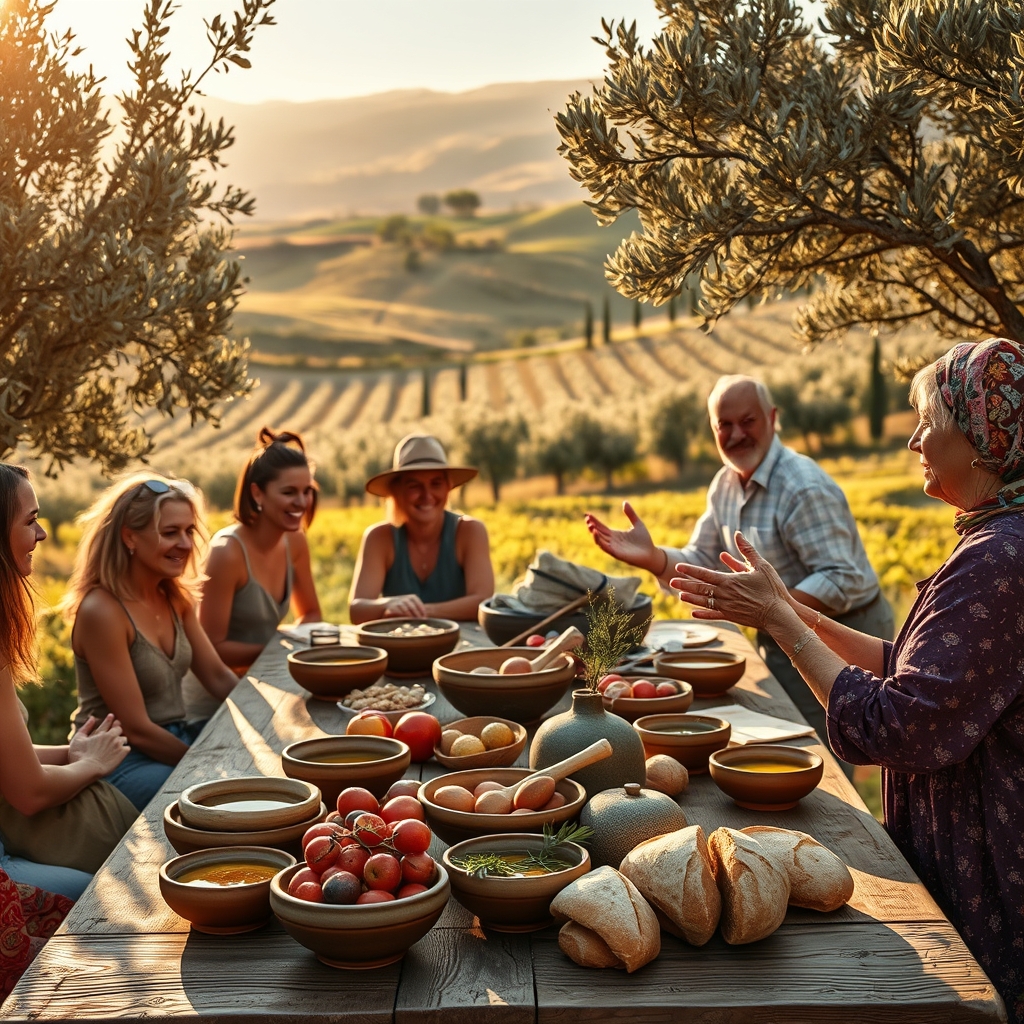
The world is hungry—not just for food, but for stories. For the kind of nourishment that lingers long after the last bite, the kind that seeps into your bones and reshapes how you see the places you visit. This is the essence of regenerative culinary escapes, where slow travel and local storytelling intertwine to create experiences that feed the soul as much as the body. It’s a movement that goes beyond farm-to-table dining; it’s about forging connections with the land, the people, and the traditions that make each destination unique.
The Slow Travel Revolution
In an era where speed is often mistaken for efficiency, slow travel is a quiet rebellion. It’s about savoring the journey as much as the destination, about lingering in a place long enough to let its rhythms sync with your own. When applied to culinary tourism, slow travel transforms eating from a transaction into a ritual. Imagine spending a week in a small village in Tuscany, not just tasting olive oil but pressing it alongside local farmers, learning how the soil and climate shape its flavor. Or wandering through the spice markets of Zanzibar, where vendors share not just their goods but the stories behind them—how cloves arrived on Arab dhows centuries ago, or how vanilla beans are painstakingly pollinated by hand.
Slow travel allows these experiences to unfold organically, without the pressure of checklists or itineraries. It’s about giving yourself permission to get lost, to stumble upon a family-run trattoria where the nonna still rolls pasta by hand, or to accept an impromptu invitation to a home-cooked meal in a stranger’s kitchen. These moments are the threads that weave the fabric of regenerative travel, where every encounter leaves the place—and you—a little richer.
The Power of Local Storytelling
Food is never just food. It’s a vessel for history, culture, and identity. Local storytelling turns a meal into a narrative, a dish into a chapter in a larger story. In Oaxaca, Mexico, a mole recipe might trace its roots back to pre-Columbian times, with each ingredient carrying symbolic meaning. In Japan, the art of kaiseki is a poetic expression of the seasons, where the presentation of a single bite of sashimi can evoke the fleeting beauty of cherry blossoms. When travelers engage with these stories, they’re not just consuming; they’re participating in a living tradition.
Storytelling also fosters a deeper sense of responsibility. When you hear about the struggles of small-scale farmers or the threats to traditional fishing communities, the act of eating becomes political. You begin to question where your food comes from, how it’s produced, and who benefits from its sale. This awareness is the first step toward regenerative travel—where tourism doesn’t just take from a place but gives back, supporting local economies and preserving cultural heritage.
Regenerative Culinary Escapes in Action
Across the globe, destinations are embracing regenerative culinary escapes as a way to redefine tourism. In Portugal’s Alentejo region, travelers can stay at eco-friendly guesthouses that double as working farms, where they learn to make bread from heirloom wheat or forage for wild herbs. In Bali, community-based tourism initiatives invite visitors to participate in traditional ceremonies, where food is offered to the gods before being shared with guests. These experiences are designed to leave a positive impact, ensuring that tourism dollars stay within the community and that cultural practices are passed down to future generations.
Technology is also playing a role in this movement. Apps and platforms now connect travelers with local hosts, allowing them to book immersive culinary experiences directly from the source. Virtual reality (VR) is even being used to preserve and share culinary traditions, offering a taste of a place’s flavors and stories before you ever set foot there. But no matter how advanced the tools become, the heart of regenerative culinary escapes remains the same: human connection.
The Ripple Effect of Mindful Eating
The impact of regenerative culinary escapes extends far beyond the individual traveler. When you choose to support local farmers, artisans, and storytellers, you’re voting with your fork for a more equitable and sustainable food system. You’re helping to preserve biodiversity, as small-scale producers often cultivate heirloom varieties that industrial agriculture has left behind. You’re reducing food waste, as farm-to-table dining prioritizes seasonal ingredients and minimal packaging. And perhaps most importantly, you’re keeping culinary traditions alive, ensuring that the stories behind the food don’t disappear.
This mindful approach to eating also has the power to transform how we travel. It encourages us to seek out destinations that prioritize sustainability and authenticity, to spend our money in ways that align with our values, and to view every meal as an opportunity to learn and connect. It turns tourism from a passive activity into an active exchange, where both traveler and host leave the table nourished in ways that go beyond the physical.
Crafting Your Own Culinary Escape
You don’t need to travel to the other side of the world to experience the magic of regenerative culinary escapes. Start by exploring your own backyard—visit a farmers’ market and strike up a conversation with a vendor, or take a cooking class that highlights local ingredients. When you do travel, seek out experiences that prioritize slow, immersive dining. Stay at eco-friendly accommodations that source their food locally, or book a tour with a guide who can introduce you to the stories behind the dishes you’re tasting. Ask questions, listen deeply, and let your curiosity guide you.
Remember that the goal isn’t just to eat well but to travel well. To leave a place better than you found it, even if that simply means supporting a family-run business or sharing the stories you’ve learned with others. Because in the end, regenerative culinary escapes aren’t just about the food—they’re about the connections we make and the legacy we leave behind. Every bite is a chance to honor the past, nourish the present, and sow the seeds for a more sustainable future. And in a world that often feels fragmented, that’s a recipe worth savoring.