
The Rise of Virtual Reality Travel: A New Frontier in Immersive Tourism
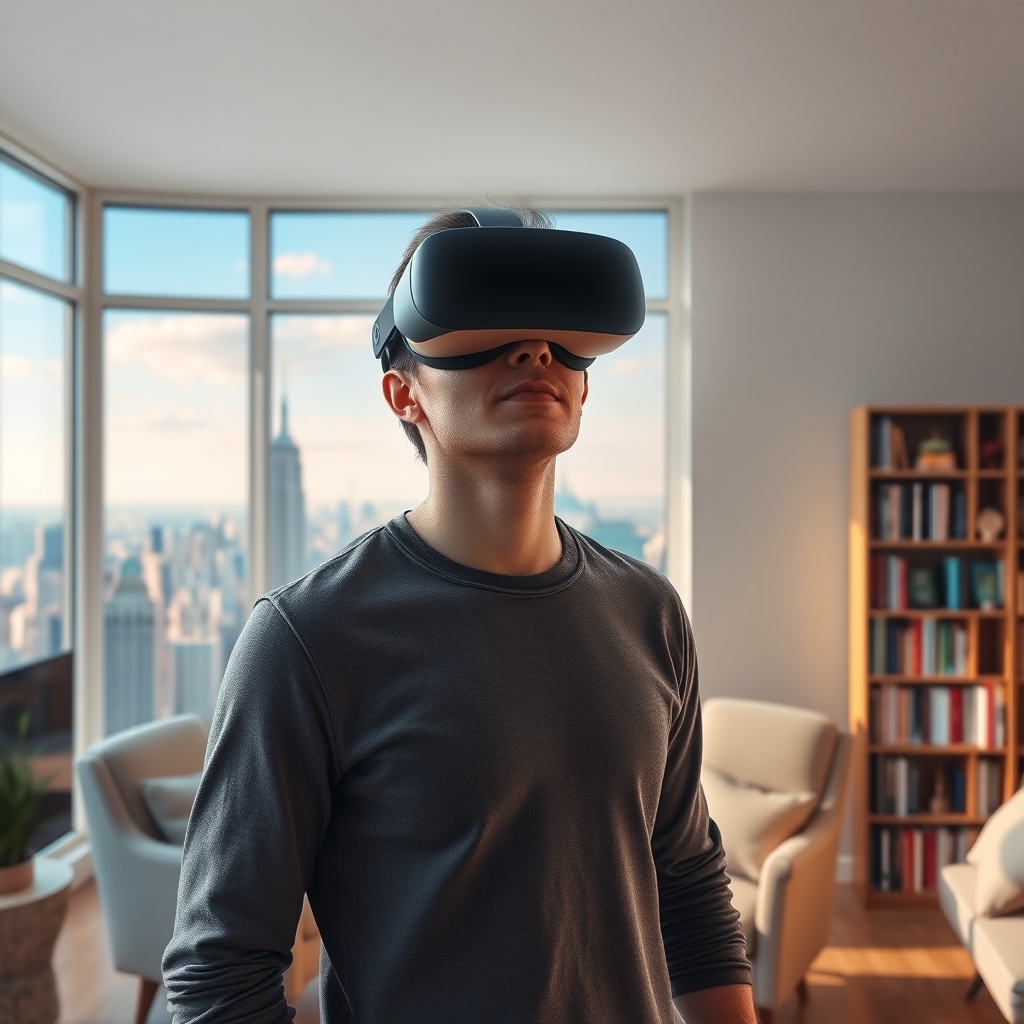
In an era where technology is rapidly evolving, the travel industry is not left behind. Virtual Reality (VR) travel is emerging as a new frontier in immersive tourism, offering experiences that were once unimaginable. This innovative form of travel allows individuals to explore destinations from the comfort of their homes, breaking down geographical barriers and making the world more accessible than ever before.
What is Virtual Reality Travel?
Virtual Reality travel involves the use of VR technology to create a simulated environment that mimics real-world locations. By wearing a VR headset, users can immerse themselves in 360-degree views of destinations, interact with virtual objects, and even engage with local cultures through digital avatars. This technology is not just about visuals; it often includes auditory and sometimes tactile feedback to enhance the realism of the experience.
The Benefits of Virtual Reality Travel
One of the most significant advantages of VR travel is its accessibility. For those with mobility issues or financial constraints, VR travel offers a way to explore the world without the need for physical travel. It also provides a sustainable alternative to traditional tourism, reducing the carbon footprint associated with long-distance travel.
Moreover, VR travel can be a valuable tool for education and cultural exchange. Schools and educational institutions can use VR to take students on virtual field trips, exposing them to different cultures, historical sites, and natural wonders. This immersive learning experience can foster a deeper understanding and appreciation of the world’s diversity.
Applications in the Travel Industry
The travel industry is already embracing VR technology in various ways. Hotels and resorts are using VR to offer virtual tours of their properties, allowing potential guests to experience the amenities and atmosphere before booking. Travel agencies are incorporating VR into their marketing strategies to provide clients with a preview of their destinations, enhancing the booking process.
Additionally, VR travel can complement traditional tourism by offering pre-trip experiences. Travelers can use VR to familiarize themselves with a destination’s layout, local customs, and popular attractions, making their actual visit more enjoyable and efficient.
Challenges and Future Prospects
While VR travel holds immense potential, it also faces several challenges. The cost of high-quality VR equipment and the need for robust internet connectivity can be barriers for some users. Additionally, the technology is still evolving, and there is a need for more immersive and realistic content to truly capture the essence of a destination.
However, the future of VR travel looks promising. As technology advances and becomes more affordable, VR travel is poised to become a mainstream option for both leisure and educational purposes. The integration of artificial intelligence (AI) and machine learning can further enhance the personalization and interactivity of VR experiences, making them even more engaging and realistic.
In conclusion, virtual reality travel is revolutionizing the way we explore the world. By offering immersive, accessible, and sustainable experiences, VR travel is not just a trend but a transformative force in the tourism industry. As we continue to embrace this technology, the boundaries of travel will expand, bringing the world closer to us in ways we never thought possible.