The Rise of Regenerative Glamping: Where Luxury Meets Eco-Conscious Adventure

In an era where travel is no longer just about seeing the world but actively healing it, a new movement is taking root—one that blends the indulgence of luxury with the ethics of sustainability. Regenerative glamping is redefining what it means to escape, offering travelers not just a place to stay, but an experience that leaves the land better than they found it. This isn’t just about reducing harm; it’s about restoring ecosystems, empowering local communities, and creating memories that resonate long after the journey ends.
The Philosophy Behind Regenerative Glamping
Regenerative travel goes beyond the principles of sustainable tourism by focusing on active restoration. While eco-friendly accommodations aim to minimize their footprint, regenerative glamping takes it a step further—designing stays that contribute positively to the environment and local economies. Imagine waking up in a solar-powered geodesic dome nestled in a reforested area, where every element of your stay, from the organic linens to the farm-to-table meals, supports the land’s revival. These aren’t just retreats; they’re living laboratories of conservation, where guests become participants in the healing process.
Many regenerative glamping sites are built on degraded land, transforming barren plots into thriving ecosystems. Through permaculture practices, native plant restoration, and wildlife corridors, these destinations become havens for biodiversity. Travelers don’t just observe nature—they become stewards of it, learning how small actions, like composting or water conservation, ripple into meaningful change. The result? A deeper connection to the environment and a sense of purpose that traditional luxury stays often lack.
Luxury Meets Low-Impact Living
Gone are the days when eco-friendly travel meant roughing it. Regenerative glamping proves that sustainability and luxury can coexist harmoniously. Picture this: a safari tent with a king-sized bed draped in organic cotton, a private deck overlooking a rewilded valley, and a bathroom with biodegradable toiletries sourced from local artisans. These accommodations are designed to immerse guests in nature without sacrificing comfort, using materials like reclaimed wood, bamboo, and recycled glass to create spaces that feel both opulent and earth-conscious.
But the true magic lies in the details. Many regenerative glamping sites offer experiences that blur the line between indulgence and activism. Think farm-to-table dining where guests harvest their own ingredients, guided rewilding workshops that teach the art of land restoration, or stargazing sessions led by local astronomers who share the cultural significance of the night sky. These moments aren’t just activities—they’re invitations to engage with the destination on a deeper level, fostering a sense of responsibility and wonder.
The Role of Local Communities
At the heart of regenerative glamping is a commitment to uplifting the communities that call these destinations home. Unlike mass tourism, which often sidelines local voices, regenerative travel prioritizes partnerships with indigenous groups, farmers, and artisans. Many glamping sites are co-created with local stakeholders, ensuring that economic benefits flow directly into the hands of those who need it most. From hiring local guides to sourcing materials and food from nearby producers, these stays are designed to be symbiotic, not extractive.
Take, for example, a glamping retreat in Costa Rica that collaborates with a nearby women’s cooperative to provide handwoven textiles for its interiors. Or a site in Scotland that works with local shepherds to manage its rewilding projects. These collaborations don’t just add authenticity to the experience—they ensure that tourism becomes a force for social equity. Guests leave with more than just photos; they leave with stories of the people who made their stay possible, forging connections that transcend borders.
Technology as a Tool for Regeneration
While regenerative glamping is deeply rooted in nature, it’s not averse to innovation. Smart technology plays a crucial role in minimizing waste and maximizing efficiency. Solar-powered microgrids, rainwater harvesting systems, and AI-driven energy management ensure that these stays operate with minimal environmental impact. Some sites even use blockchain technology to track their sustainability efforts, giving guests transparent insights into how their stay contributes to regeneration.
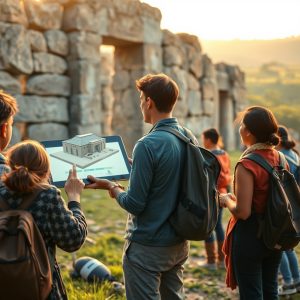
But perhaps the most exciting use of technology is in education. Augmented reality (AR) apps allow guests to visualize the impact of their stay, showing how a reforested area has grown over time or how wildlife populations have rebounded. Virtual reality (VR) experiences transport them to other regenerative projects around the world, inspiring them to carry these principles into their own lives. Technology, in this context, isn’t a distraction from nature—it’s a bridge to deeper understanding.
Destinations Leading the Charge
From the misty highlands of Patagonia to the sun-drenched savannas of Kenya, regenerative glamping is popping up in some of the world’s most breathtaking landscapes. In Portugal, a glamping site built on abandoned farmland has become a model for rewilding, with guests participating in olive tree planting and beekeeping workshops. In Australia, a luxury eco-retreat partners with indigenous rangers to restore native bushland, offering cultural tours that highlight traditional land management practices.
Closer to home, the United States is seeing a surge in regenerative glamping, particularly in the Southwest, where sites like Under Canvas in Utah blend luxury with conservation. These destinations prove that regenerative travel isn’t a niche—it’s a growing movement, one that’s redefining what it means to explore the world responsibly.
As travelers increasingly seek experiences that align with their values, regenerative glamping offers a compelling alternative to conventional tourism. It’s a reminder that luxury doesn’t have to come at the planet’s expense—and that the most unforgettable journeys are those that give back as much as they take. Whether it’s waking up to the sound of birdsong in a restored forest or sharing a meal with the people who call the land home, these stays invite us to reimagine travel not as an escape from the world, but as a way to heal it, one adventure at a time.