
The Rise of Culinary Storytelling: How Food, Tradition, and Local Narratives Are Shaping the Future of Sustainable Travel
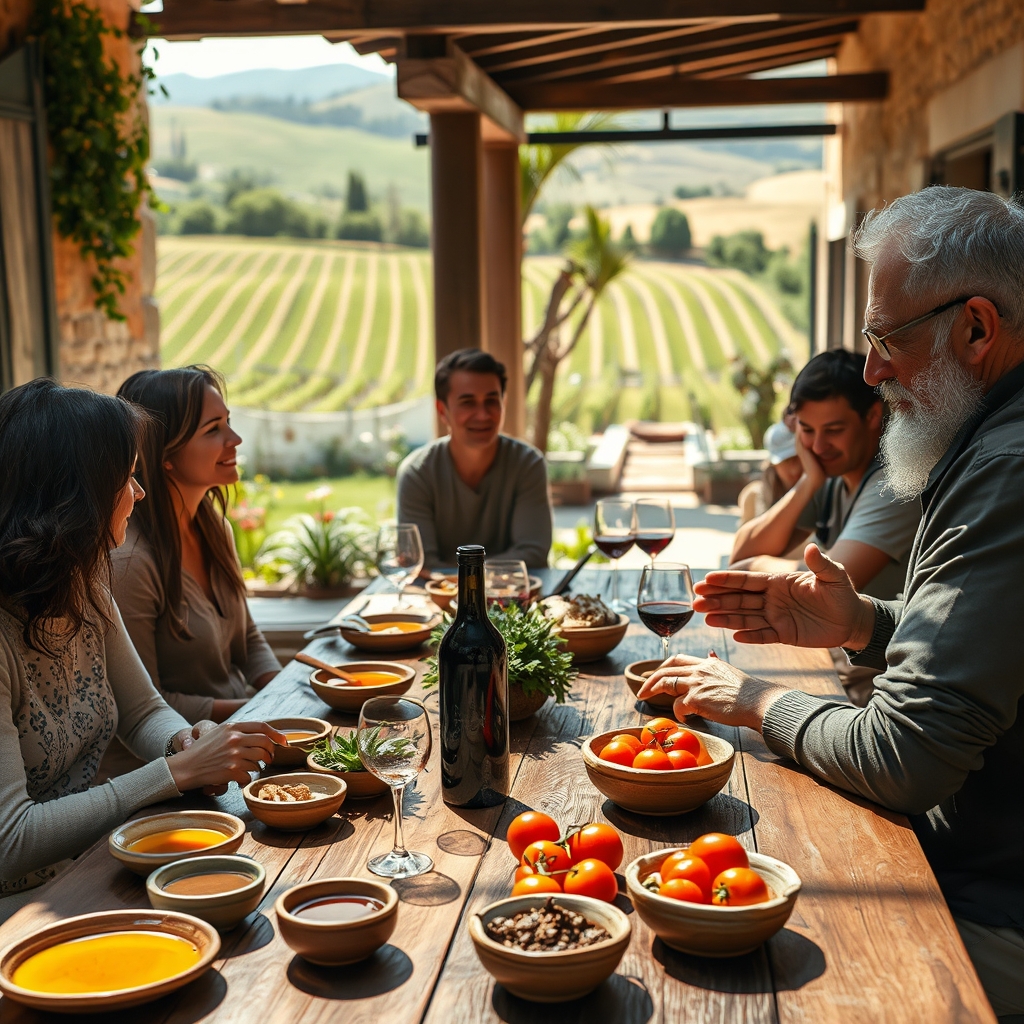
There is something profoundly human about the way food connects us—not just to each other, but to the land, the history, and the hands that cultivate it. In an era where travel is increasingly defined by authenticity and sustainability, culinary storytelling has emerged as a powerful force, transforming how we experience destinations. No longer confined to restaurant menus or cooking classes, food has become a living narrative, a thread that weaves together culture, ecology, and community in ways that resonate deeply with modern travelers.
The Power of a Shared Meal
Imagine sitting at a long wooden table in a sun-drenched courtyard in Tuscany, where the wine is poured from a family vineyard and the olive oil drizzled over crusty bread was pressed just hours before. The host, a third-generation farmer, doesn’t just serve food—he serves stories. He speaks of the drought that nearly ruined last year’s harvest, of the ancient Etruscan techniques still used to tend the vines, of the grandmother who taught him to make pasta by hand. This is culinary storytelling in its purest form: a meal that nourishes not just the body, but the soul, leaving travelers with a sense of connection that lingers long after the last bite.
This kind of experience is at the heart of a growing movement in sustainable tourism, where food is no longer just a commodity but a medium for cultural exchange. Travelers are seeking out destinations where they can engage with local food systems in meaningful ways—whether it’s harvesting saffron in Iran, learning the art of fermenting kimchi in South Korea, or foraging for wild herbs in the Scottish Highlands. These experiences do more than satisfy curiosity; they foster a deeper understanding of the places we visit and the people who call them home.
From Farm to Fork: The Regenerative Dining Movement
The farm-to-table concept has evolved into something even more profound: regenerative dining. This approach goes beyond sustainability by actively restoring ecosystems and supporting local economies. In Costa Rica, for example, eco-lodges like Finca Luna Nueva offer immersive culinary experiences where guests participate in permaculture workshops, learning how food can be grown in harmony with the rainforest. The meals served here are not just organic—they’re part of a larger mission to heal the land, one plate at a time.
Regenerative dining is also gaining traction in urban settings. Cities like Copenhagen and Amsterdam are home to restaurants that prioritize zero-waste cooking, sourcing ingredients from local farms and even growing their own produce in rooftop gardens. These establishments don’t just serve food; they tell the story of a circular economy, where every ingredient has a purpose and nothing goes to waste. For travelers, dining at such places becomes an act of participation in a larger movement—one that values transparency, ethics, and environmental stewardship.
The Role of Technology in Culinary Storytelling
While the essence of culinary storytelling is deeply rooted in tradition, technology is playing an increasingly important role in amplifying these narratives. Augmented reality (AR) apps now allow travelers to point their phones at a dish and instantly learn about its origins, the farmers who grew the ingredients, and the cultural significance behind it. In Japan, some sushi restaurants use AR to show diners the journey of their fish—from the ocean to the plate—highlighting sustainable fishing practices along the way.
Artificial intelligence is also making its mark on culinary tourism. AI-powered platforms like Eatwith and Withlocals connect travelers with local hosts for authentic dining experiences, complete with stories and traditions passed down through generations. These platforms don’t just facilitate meals; they curate experiences that are as rich in narrative as they are in flavor. For digital nomads and remote workers, these tools make it easier than ever to immerse themselves in local food cultures, even during short stays.
Preserving Heritage Through Food
In many parts of the world, culinary storytelling is also a means of preserving cultural heritage. Indigenous communities, in particular, are using food as a way to share their traditions with the world while safeguarding them for future generations. In Peru, the Awamaki cooperative works with Quechua women to offer weaving and cooking workshops, where travelers learn to prepare dishes like quinoa soup and llama stew using ancient techniques. These experiences are not just about tasting food—they’re about understanding the deep connection between a people and their land.
Similarly, in the Middle East, halal tourism is embracing culinary storytelling as a way to showcase the region’s rich history. From the spice markets of Marrakech to the street food stalls of Istanbul, travelers are invited to explore the stories behind dishes like tagine, baklava, and mansaf. These experiences challenge stereotypes and offer a more nuanced understanding of Islamic culture, one bite at a time.
The Future of Culinary Tourism
As travelers become more conscious of their impact, culinary tourism is evolving to meet their demands. The future lies in experiences that are not only delicious but also ethical, educational, and immersive. Imagine a world where every meal tells a story—where the act of eating becomes a form of cultural preservation, environmental regeneration, and human connection. This is the promise of culinary storytelling: a way to travel that nourishes the planet as much as it nourishes the soul.
For those who seek more than just a vacation, food offers a gateway to understanding the world in all its complexity. It’s a reminder that the most memorable journeys are not just about the places we see, but the stories we taste, the hands we shake, and the traditions we carry forward. In a time when travel is often reduced to checklists and Instagram moments, culinary storytelling invites us to slow down, savor, and truly connect—one meal at a time.