The New Wave of Travel: How Wellness Tourism and Glamping Are Redefining Eco-Friendly Escapes
In an era where travel is no longer just about ticking off bucket-list destinations but about meaningful experiences, a new wave of tourism is emerging—one that blends wellness, sustainability, and luxury in unexpected ways. At the heart of this movement lies the fusion of wellness tourism and glamping, two trends that are reshaping how we explore the world while leaving a lighter footprint on the planet.
The Rise of Wellness Tourism: More Than Just a Spa Day
Wellness tourism has evolved far beyond the confines of a five-star spa retreat. Today, it encompasses a holistic approach to travel, where physical, mental, and emotional well-being take center stage. From silent meditation retreats in the Himalayas to forest bathing in Japan’s ancient woodlands, travelers are seeking experiences that nourish the soul as much as the body. The global wellness tourism market is projected to reach $1.2 trillion by 2027, a testament to its growing appeal among conscious explorers.
What sets modern wellness tourism apart is its integration with sustainable practices. Eco-friendly retreats are now designing programs that not only benefit the traveler but also the environment. Think yoga sessions powered by solar energy, farm-to-table meals sourced from organic gardens, and digital detoxes that encourage reconnection with nature. These experiences are not just about relaxation—they’re about regenerative travel, where every aspect of the journey gives back to the planet.
Glamping: Where Luxury Meets the Great Outdoors
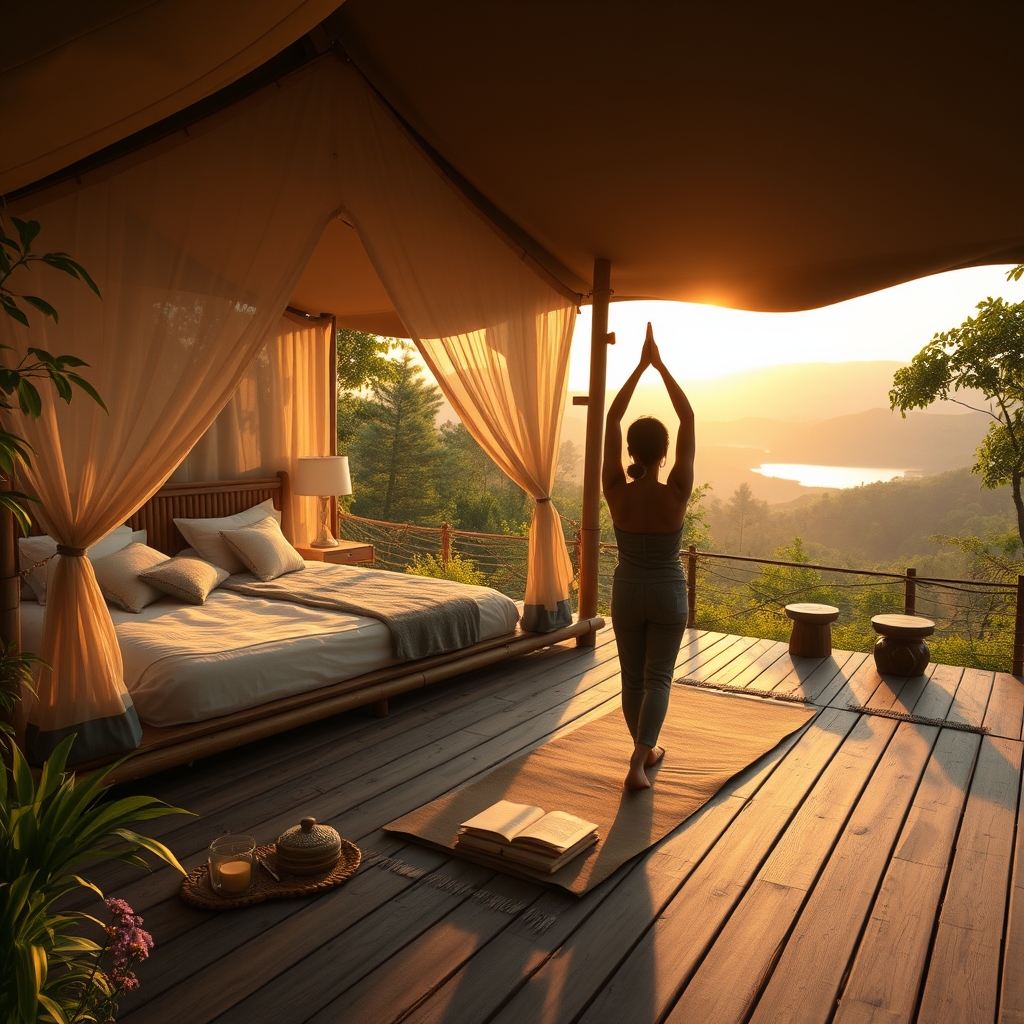
For those who crave the comforts of a boutique hotel but the authenticity of camping, glamping (glamorous camping) offers the perfect solution. Gone are the days of roughing it in a tent with minimal amenities. Today’s glamping destinations feature eco-lodges with private decks, treehouses with panoramic views, and geodesic domes equipped with plush bedding and modern bathrooms. These accommodations are designed to immerse travelers in nature without sacrificing luxury.
The appeal of glamping extends beyond its aesthetic charm. Many glamping sites are built with eco-friendly materials and operate on renewable energy sources. Some even incorporate regenerative practices, such as reforestation programs or wildlife conservation efforts. For example, a glamping resort in Costa Rica might offer guests the opportunity to plant a tree as part of their stay, turning a vacation into a meaningful contribution to the environment.
The Synergy of Wellness and Glamping
When wellness tourism and glamping converge, the result is a travel experience that is both indulgent and impactful. Imagine waking up in a transparent bubble tent under the stars, practicing sunrise yoga on a private deck, and then enjoying a breakfast made from ingredients grown on-site. This is the new standard for eco experiential tourism—where every moment is designed to enhance well-being while minimizing environmental harm.
One standout example is a glamping retreat in Portugal’s Alentejo region, where guests can participate in mindfulness workshops, organic wine tastings, and guided hikes through cork forests. The retreat’s design prioritizes sustainability, from its use of locally sourced materials to its water conservation systems. Such destinations prove that luxury and eco-consciousness can coexist harmoniously.
Technology’s Role in Enhancing the Experience
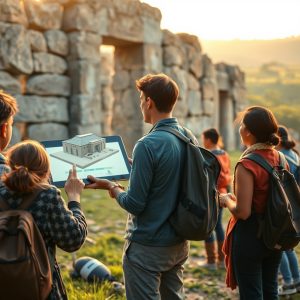
While wellness and glamping emphasize disconnecting from the digital world, smart tourism technologies are playing a crucial role in enhancing these experiences. AI-powered travel planners can curate personalized wellness itineraries, suggesting activities based on a traveler’s preferences and health goals. Virtual reality (VR) previews allow guests to explore glamping sites before booking, ensuring they find the perfect match for their retreat.
Moreover, apps and wearable devices are helping travelers track their well-being during their stay. From monitoring sleep patterns to suggesting meditation sessions, technology is making it easier than ever to maintain a wellness routine while on the road. These innovations are bridging the gap between modern convenience and mindful travel, creating a seamless experience for the digital nomad or solo traveler seeking balance.
Hidden Gems and Local Storytelling
What truly elevates wellness and glamping experiences is their connection to local storytelling. Many retreats and glamping sites are located in hidden gem destinations, away from the crowds, where travelers can immerse themselves in the culture and traditions of the region. Whether it’s a guided tour of a local herb garden in Tuscany or a traditional tea ceremony in a Japanese ryokan, these experiences add depth to the journey.
Local guides and hosts often share personal narratives that bring the destination to life. A glamping host in Patagonia might recount the history of the land, while a wellness retreat in Bali could incorporate ancient healing practices into its programs. These stories create a sense of place, transforming a simple getaway into a transformative experience.
As the travel industry continues to evolve, the fusion of wellness tourism and glamping represents a shift toward more intentional, sustainable, and enriching experiences. It’s no longer enough to simply visit a place—travelers want to feel a connection to it, to leave it better than they found it, and to return home rejuvenated in body and spirit. This new wave of travel is not just a trend; it’s a movement toward a more mindful and meaningful way of exploring the world, where every journey is an opportunity to heal, grow, and inspire.