
Beyond the Guidebook: How Local Storytelling and AI Are Unlocking the Hidden Soul of Smart Tourism
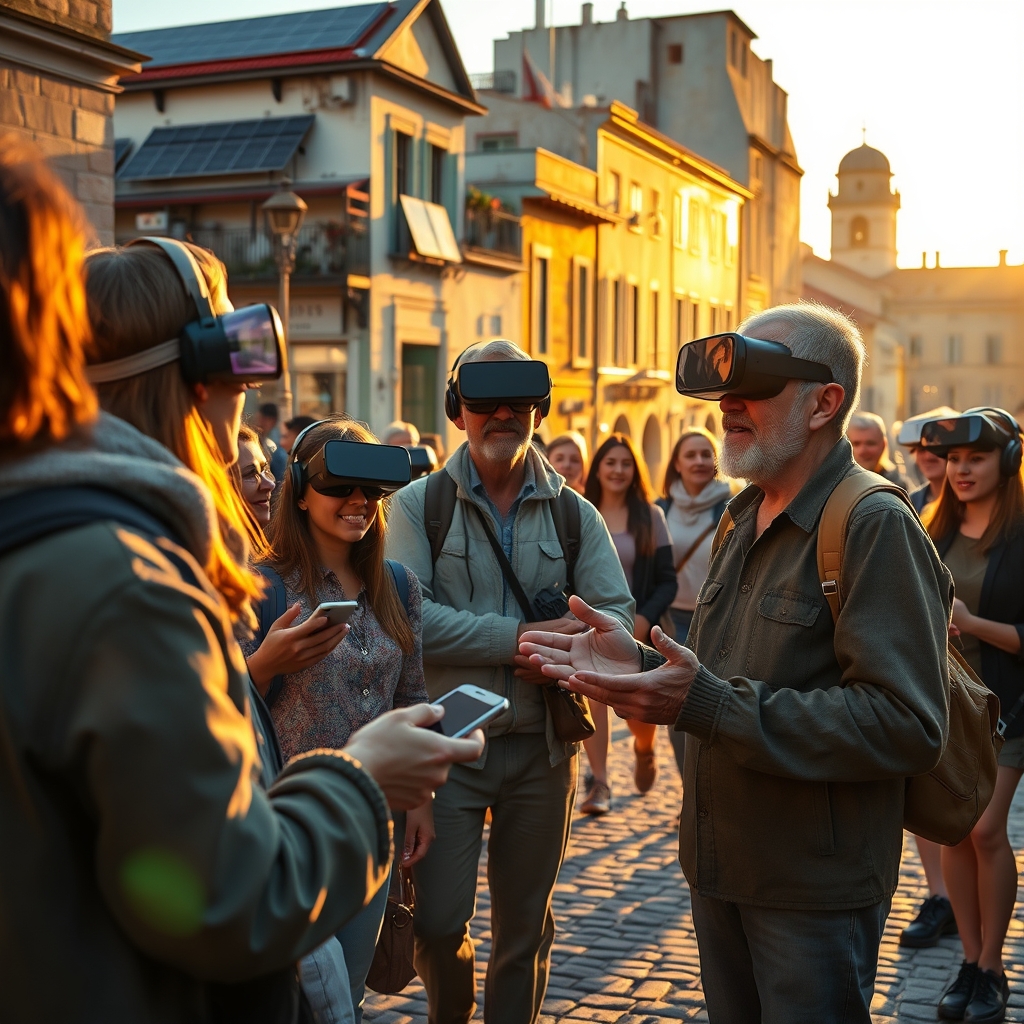
In an era where travel has become synonymous with overcrowded landmarks and Instagram-driven itineraries, a quiet revolution is unfolding—one that prioritizes depth over speed, connection over convenience, and meaning over mere sightseeing. Smart tourism, powered by artificial intelligence and enriched by local storytelling, is redefining how we explore the world. No longer confined to generic recommendations or algorithm-driven suggestions, travelers are now embarking on journeys that feel intimately personal, culturally immersive, and environmentally conscious. This is not just travel; it’s a rediscovery of the hidden soul of destinations, where every step is guided by the whispers of those who know it best.
The Rise of the Conscious Explorer
The modern traveler is no longer satisfied with surface-level experiences. There’s a growing hunger for authenticity, a desire to move beyond the curated highlights and instead engage with the raw, unfiltered essence of a place. This shift has given rise to the conscious explorer—someone who seeks not just to see, but to understand, connect, and contribute. Smart tourism, with its blend of technology and human insight, is the perfect companion for this new breed of traveler. AI-driven platforms can analyze vast amounts of data to suggest hidden gems, while local storytellers provide the context that transforms a visit from ordinary to extraordinary.
Imagine walking through the labyrinthine streets of a historic city, your smartphone guiding you not to the usual tourist traps, but to a tucked-away café where an elderly storyteller shares tales of the neighborhood’s past. Or picture yourself in a remote village, where an AI-powered app connects you with a local guide who reveals the secrets of traditional crafts, passed down through generations. These are the moments that define smart tourism—where technology enhances rather than replaces the human element, creating experiences that are as enriching as they are unforgettable.
The Power of Local Storytelling
At the heart of smart tourism lies local storytelling—a practice as old as humanity itself, yet more vital than ever in our digital age. Stories have the power to bridge gaps, foster empathy, and create lasting memories. They turn a place from a mere dot on a map into a living, breathing entity with a soul of its own. When travelers engage with local narratives, they’re not just learning about a destination; they’re becoming part of its ongoing story.
Local storytellers—whether they’re historians, artisans, chefs, or elders—offer perspectives that no guidebook or travel blog can replicate. They share the nuances of a culture, the unspoken traditions, and the personal anecdotes that bring a place to life. In a world where globalization threatens to homogenize experiences, these storytellers are the keepers of authenticity. Smart tourism platforms are increasingly integrating these voices, using AI to match travelers with storytellers whose insights align with their interests. The result? A travel experience that feels tailor-made, as if the destination itself is speaking directly to you.
AI as the Curator of Hidden Gems
Artificial intelligence is often criticized for its potential to depersonalize experiences, but in the realm of smart tourism, it’s doing the opposite. AI is becoming the ultimate curator of hidden gems, sifting through endless possibilities to present travelers with options that resonate on a deeply personal level. By analyzing preferences, past behaviors, and even emotional responses, AI can recommend experiences that align with a traveler’s unique desires—whether that’s a secluded beach for solitude seekers, a bustling market for food enthusiasts, or a historic site for culture lovers.
But AI’s role goes beyond mere recommendation. It’s also a tool for discovery, uncovering destinations and experiences that might otherwise remain overlooked. For example, an AI-powered platform might identify a lesser-known festival in a rural village, or a family-run farm offering immersive culinary tours. These are the kinds of experiences that define smart tourism—unexpected, authentic, and deeply rewarding. And because AI can process vast amounts of data in real time, it can adapt recommendations based on factors like weather, local events, or even the traveler’s mood, ensuring that every moment of the journey feels intentional.
The Intersection of Technology and Tradition
One of the most exciting aspects of smart tourism is its ability to blend cutting-edge technology with age-old traditions. Virtual reality (VR) and augmented reality (AR) are prime examples of this fusion. Imagine standing in the ruins of an ancient temple, your VR headset overlaying the scene with a reconstruction of what it once looked like, complete with the sounds of daily life from centuries past. Or picture yourself in a bustling souk, where an AR app translates signs and provides historical context as you navigate the labyrinth of stalls. These technologies don’t replace the physical experience; they enhance it, adding layers of meaning and immersion that were previously unimaginable.
Similarly, AI-driven translation tools are breaking down language barriers, allowing travelers to engage more deeply with local communities. No longer limited to basic phrases, travelers can now have meaningful conversations, ask questions, and share stories with people they meet along the way. This not only enriches the travel experience but also fosters mutual understanding and respect—a cornerstone of sustainable and regenerative tourism.
The Future of Sustainable Travel
Smart tourism isn’t just about creating memorable experiences; it’s also about ensuring those experiences are sustainable. By directing travelers to lesser-known destinations, AI can help alleviate the pressure on over-touristed hotspots, distributing the economic benefits of tourism more evenly. Local storytellers, too, play a crucial role in this shift, as they often highlight experiences that support small businesses, preserve cultural heritage, and protect the environment.
Moreover, smart tourism platforms are increasingly incorporating sustainability metrics into their recommendations. Travelers can now choose experiences based on their environmental impact, whether that’s opting for eco-friendly accommodations, supporting regenerative travel initiatives, or participating in conservation efforts. This level of transparency empowers travelers to make choices that align with their values, ensuring that their journeys leave a positive footprint on the world.
As we stand at the crossroads of technology and tradition, smart tourism offers a glimpse into the future of travel—one where every journey is a story waiting to be told. It’s a future where AI doesn’t replace the human touch but amplifies it, where local voices are celebrated rather than silenced, and where every traveler has the opportunity to connect with the soul of a destination. The guidebook may still have its place, but the real magic lies in the unscripted moments, the unexpected encounters, and the stories that unfold when we dare to venture beyond the surface. In this new era of exploration, the world isn’t just a place to visit; it’s a story to be lived.