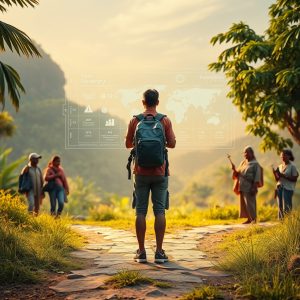
Whispering Trails of Tomorrow: How AI and Local Storytelling Are Crafting the Future of Immersive Smart Tourism
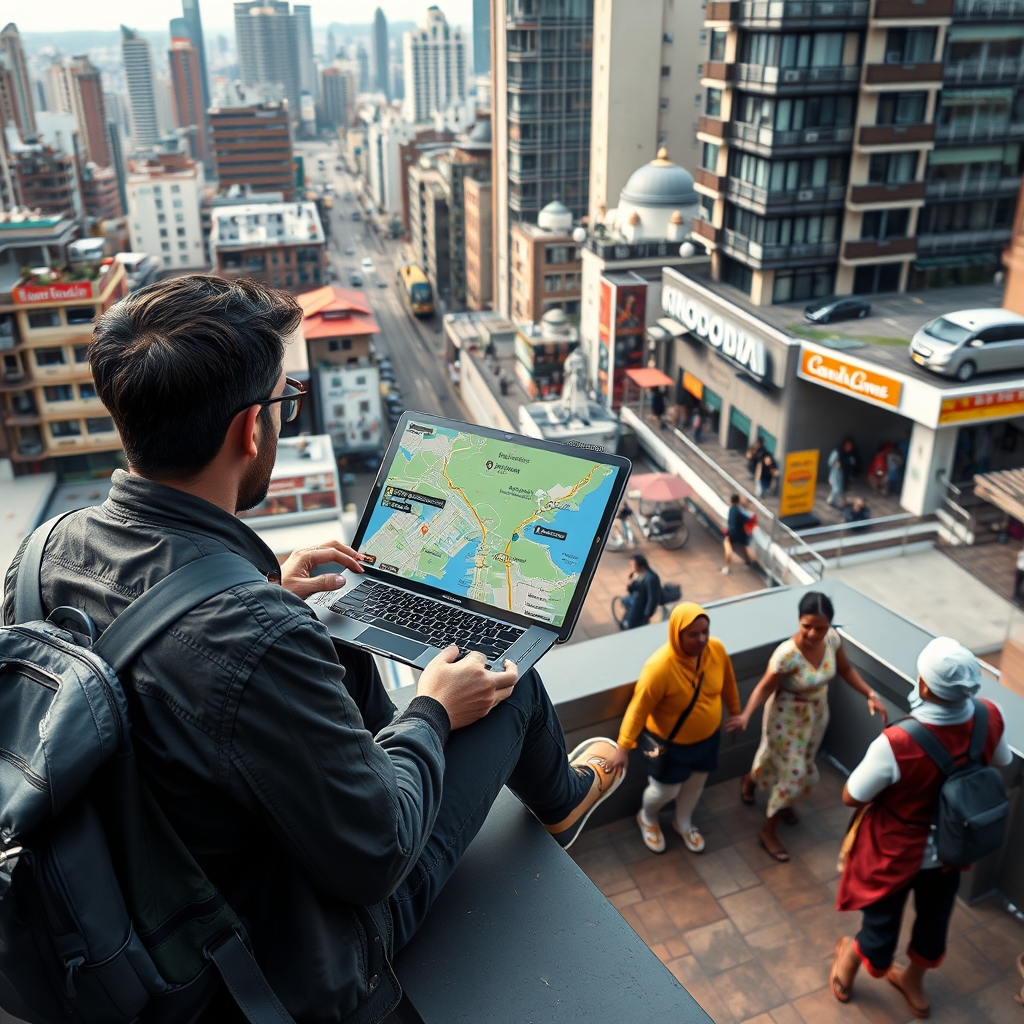
In the ever-evolving landscape of travel, a new paradigm is emerging, one that seamlessly blends the convenience of technology with the richness of local cultures. This is the era of Smart Tourism, a concept that leverages artificial intelligence (AI) and local storytelling to create immersive, personalized travel experiences.
Smart Tourism: A New Frontier
Smart Tourism is not just about visiting popular tourist spots; it’s about experiencing a destination in a way that is tailored to your interests, preferences, and needs. It’s about using technology to connect travelers with the local culture, history, and people in a meaningful way.
AI is at the heart of Smart Tourism. It’s used to create personalized travel itineraries, recommend hidden gem destinations, and even provide real-time translations and cultural insights. But it’s not just about the technology; it’s about the human element. Local storytelling is a crucial component of Smart Tourism, as it allows travelers to connect with the heart and soul of a destination.
The Role of AI in Smart Tourism
AI is revolutionizing the travel industry in numerous ways. It’s used to predict travel trends, optimize routes, and even manage travel bookings. But in the context of Smart Tourism, AI is primarily used to create personalized travel experiences.
For instance, AI-powered apps can analyze a traveler’s preferences and interests, and then suggest a customized itinerary that includes a mix of popular attractions, hidden gems, and local experiences. These apps can also provide real-time updates on events, weather, and traffic, ensuring that travelers have a smooth and enjoyable journey.
Moreover, AI is used to enhance the travel experience through virtual reality (VR) and augmented reality (AR). Travelers can use VR to explore destinations before they visit, or use AR to overlay information about local attractions onto their view of the real world.
The Power of Local Storytelling
Local storytelling is a powerful tool for immersive travel experiences. It allows travelers to connect with the local culture, history, and people in a meaningful way. Storytelling tours, where local guides share their stories and experiences, are a great example of this.
In the context of Smart Tourism, local storytelling is enhanced by AI. AI-powered apps can provide travelers with access to a wealth of local stories and experiences, tailored to their interests and preferences. Travelers can listen to audio guides that share the history and culture of a destination, or participate in interactive storytelling experiences that involve local communities.
Moreover, AI is used to preserve and promote local stories. AI-powered platforms can analyze and preserve local stories, making them accessible to a global audience. This not only helps to promote local cultures, but also ensures that these stories are preserved for future generations.
Immersive Smart Tourism: The Future of Travel
Immersive Smart Tourism is the future of travel. It’s about creating travel experiences that are not just about visiting popular tourist spots, but about experiencing a destination in a way that is deeply connected to its culture, history, and people.
This is achieved through a combination of technology and local storytelling. AI-powered apps provide travelers with personalized itineraries, real-time updates, and access to a wealth of local stories and experiences. Local guides and communities share their stories and experiences, creating a deep connection between travelers and the destination.
Moreover, immersive Smart Tourism is about sustainability. It’s about creating travel experiences that are not only enjoyable, but also respectful of the environment and local communities. This is achieved through eco-friendly accommodations, regenerative travel, and responsible tourism practices.
In conclusion, Immersive Smart Tourism is the future of travel. It’s about creating travel experiences that are personalized, immersive, and sustainable. It’s about using technology to connect travelers with the local culture, history, and people in a meaningful way. It’s about creating travel experiences that are not just about visiting popular tourist spots, but about experiencing a destination in a way that is deeply connected to its culture, history, and people.