
The Whispering Vineyards: How Culinary Tourism and Regenerative Travel Are Crafting the Future of Immersive Wine Experiences
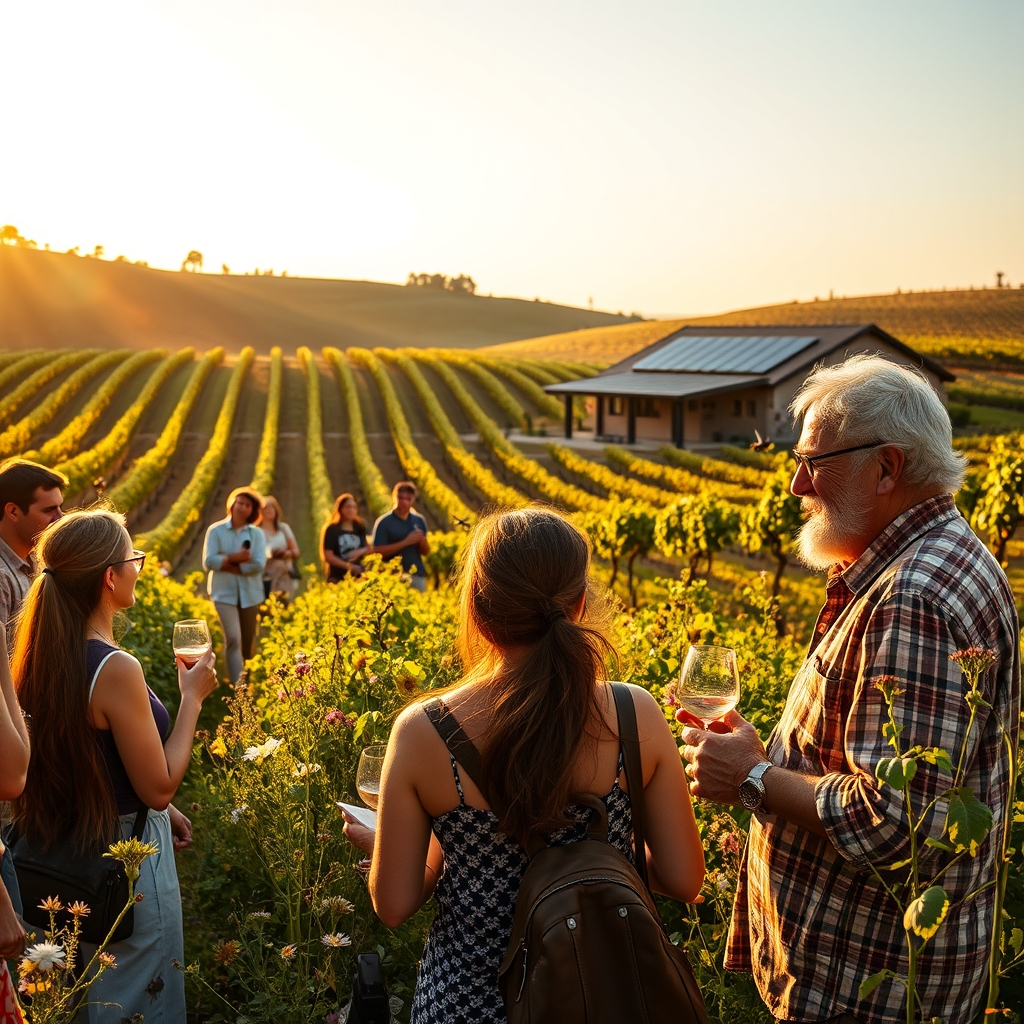
In the heart of Tuscany, where rolling hills stretch endlessly under a golden sun, a quiet revolution is unfolding. Here, the ancient art of winemaking is not just about producing bottles of fine wine; it’s about crafting stories, preserving landscapes, and inviting travelers to become part of something far greater than themselves. This is the essence of regenerative culinary tourism—a movement where every sip, every bite, and every step taken through the vineyards is an act of restoration, connection, and discovery. It’s a journey that transcends the ordinary, inviting explorers to taste not just the wine, but the soul of the land itself.
The Marriage of Wine and Regeneration
Regenerative travel is more than a buzzword; it’s a philosophy that seeks to leave destinations better than they were found. In the context of culinary tourism, this means vineyards and wineries that prioritize soil health, biodiversity, and community well-being alongside their production. Take, for example, the biodynamic vineyards of Chile’s Colchagua Valley, where winemakers work in harmony with lunar cycles and natural composting techniques to nurture the earth. These practices don’t just produce exceptional wine—they restore ecosystems, sequester carbon, and create a legacy that future generations can inherit.
For travelers, this approach transforms a simple wine tasting into an immersive experience. Imagine walking through rows of vines, your guide pointing out the wildflowers planted to attract pollinators or the cover crops that prevent erosion. You’re not just learning about wine; you’re learning about the delicate balance of nature and how human intervention can either harm or heal it. This is the power of regenerative culinary tourism—it turns consumption into contribution.
Local Storytelling: The Secret Ingredient
At the heart of every great wine region is a story waiting to be told. In Bordeaux, it’s the tale of generations of winemakers who have perfected their craft over centuries. In Mendoza, it’s the story of how Andean meltwater irrigates the vineyards, giving life to the Malbec grapes that thrive in the high-altitude desert. These narratives are what transform a visit to a winery from a transactional experience into a deeply personal one.
Local storytelling in culinary tourism isn’t just about sharing history—it’s about creating connections. When a winemaker shares the challenges of a particularly difficult harvest or the joy of a vintage that exceeded all expectations, travelers don’t just hear words; they feel the passion behind them. This emotional resonance is what makes regenerative culinary tourism so powerful. It fosters a sense of belonging, turning visitors into temporary custodians of the land and its traditions.
In Portugal’s Douro Valley, for instance, some wineries offer experiences where travelers can participate in the harvest, learning firsthand how grapes are handpicked and sorted. The stories shared during these experiences—of families who have worked the same terraced vineyards for centuries—add layers of meaning to every glass of port or table wine poured afterward. It’s these stories that linger long after the trip has ended, inspiring travelers to seek out more meaningful experiences in the future.
The Role of Technology in Immersive Wine Experiences
While regenerative travel and local storytelling are deeply rooted in tradition, technology is playing an increasingly important role in enhancing these experiences. Augmented reality (AR) apps, for example, can overlay historical images of a vineyard onto the current landscape, showing travelers how the land has evolved over time. Virtual reality (VR) can transport wine enthusiasts to the cellars of legendary wineries, allowing them to witness the aging process without leaving their homes—though nothing quite compares to the real thing.
AI is also making its mark on culinary tourism by personalizing experiences for travelers. Imagine an app that recommends vineyards based not just on your wine preferences, but on your values—whether that’s sustainability, organic farming, or community support. These tools don’t replace the human element of storytelling; they amplify it, making it easier for travelers to find experiences that resonate with them on a deeper level.
In South Africa’s Stellenbosch region, some wineries are using blockchain technology to provide transparency about their regenerative practices. Travelers can scan a QR code on a bottle of wine to learn about the carbon footprint of its production, the water conservation methods used, and even the stories of the people who worked the land. This level of transparency builds trust and deepens the connection between the traveler and the destination.
The Future of Wine Tourism: A Toast to Regeneration
The future of culinary tourism lies in its ability to blend tradition with innovation, creating experiences that are as enriching for the traveler as they are for the destination. Regenerative practices ensure that the land remains fertile and vibrant, while local storytelling preserves the cultural heritage that makes each wine region unique. Technology, when used thoughtfully, can enhance these experiences, making them more accessible and personalized than ever before.
But perhaps the most beautiful aspect of regenerative culinary tourism is its ability to turn every traveler into a storyteller. When you return home from a trip to the vineyards of Piedmont or the wine country of California, you don’t just bring back bottles of wine—you bring back stories. Stories of the winemaker who risked everything to save an ancient grape variety, of the family who turned a struggling vineyard into a thriving ecosystem, of the land that gave you its bounty and asked for nothing in return. These stories have the power to inspire others to travel more mindfully, to seek out experiences that nourish both the soul and the planet.
As the sun sets over the vineyards, casting long shadows across the rows of vines, it’s easy to see why regenerative culinary tourism is more than just a trend—it’s a movement. It’s a way of traveling that honors the past while nurturing the future, one glass of wine at a time. And in a world that often feels disconnected, it offers a reminder that the most meaningful experiences are those that connect us—to the land, to the people, and to the stories that bind us all together.