Beyond the Guidebook: How AI and Local Storytelling Are Unlocking Hidden Gems in Experiential Tourism

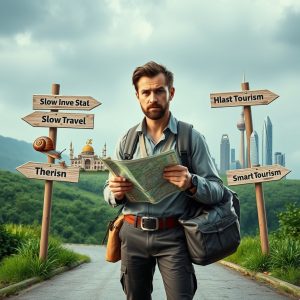
In an era where over-tourism plagues iconic landmarks and cookie-cutter itineraries dominate travel planning, a quiet revolution is unfolding. Travelers are increasingly seeking experiences that transcend the superficial, craving authenticity, connection, and a deeper understanding of the places they visit. This shift has given rise to a new paradigm in tourism—one where artificial intelligence (AI) and local storytelling converge to reveal the soul of a destination, one hidden gem at a time.
The Limitations of Traditional Travel Planning
For decades, travel planning has relied on guidebooks, travel agencies, and generic online recommendations. While these resources provide a starting point, they often fall short in capturing the essence of a place. Popular attractions become overcrowded, local cultures are commodified, and the unique stories that define a community are lost in the noise. The result? A homogenized travel experience that leaves both visitors and locals feeling unfulfilled.
Enter AI travel planning—a tool that is transforming how we discover and engage with destinations. Unlike static guidebooks, AI leverages vast datasets, real-time information, and machine learning to curate personalized itineraries that align with a traveler’s interests, values, and pace. Whether you’re a digital nomad seeking a slow-travel experience or a solo adventurer hunting for off-the-beaten-path cultural heritage sites, AI can sift through the clutter to uncover experiences that resonate on a deeper level.
The Power of Local Storytelling in Immersive Tourism
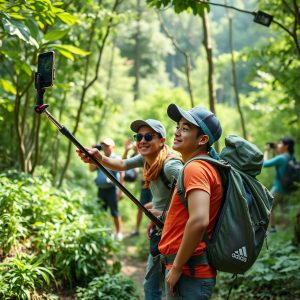
Yet, technology alone cannot capture the magic of a place. That’s where local storytelling comes in. Across the globe, communities are reclaiming their narratives through immersive tours that go beyond surface-level sightseeing. These experiences—often led by historians, artisans, or longtime residents—offer travelers a chance to engage with a destination’s cultural heritage in a meaningful way.
Imagine wandering through the cobbled streets of a medieval European town with a local storyteller who shares tales of forgotten legends, or participating in a culinary tourism workshop where a chef reveals the secrets behind a region’s signature dish. These moments don’t just inform; they transform. They turn a simple trip into a journey of discovery, where every interaction leaves a lasting impression.
How AI Enhances Local Storytelling
AI and local storytelling are not opposing forces but complementary tools in the quest for authentic travel. AI can analyze a traveler’s preferences—such as their interest in wellness tourism, adventure tourism, or eco-friendly accommodations—and connect them with local storytellers who specialize in those areas. For example, a traveler passionate about regenerative travel might be paired with a guide who leads tours focused on community-led conservation efforts, while a digital nomad could discover hidden gem destinations through AI-curated local experiences that cater to remote workers.
Platforms like Withlocals and Airbnb Experiences have already begun integrating AI to match travelers with local hosts, but the potential goes even further. Imagine an AI-powered app that not only suggests activities but also provides context—historical background, cultural significance, and even language tips—to deepen the traveler’s connection to the experience. This fusion of technology and human insight creates a travel experience that is both efficient and enriching.
The Rise of Hidden Gem Destinations
One of the most exciting outcomes of this shift is the growing popularity of hidden gem destinations. As travelers seek alternatives to overcrowded hotspots, lesser-known locales are gaining attention for their authenticity and untapped potential. These destinations—whether a secluded glamping site in the mountains or a coastal village known for its culinary traditions—offer a respite from the masses while providing unique opportunities for cultural exchange.
AI plays a crucial role in uncovering these hidden gems. By analyzing travel patterns, social media trends, and local recommendations, AI can identify emerging destinations before they hit the mainstream. For instance, a traveler interested in halal tourism might discover a thriving Muslim-friendly community in a lesser-known city, complete with AI-suggested itineraries that highlight local mosques, halal restaurants, and cultural festivals.
Sustainable and Regenerative Travel in Action
This approach to travel is not just about personal enrichment; it’s also about sustainability. By dispersing tourists to lesser-known areas, we can alleviate the pressure on over-touristed sites while supporting local economies. Moreover, AI can help travelers make eco-conscious choices, such as recommending eco-friendly accommodations or suggesting low-impact transportation options.
Regenerative travel takes this a step further by encouraging visitors to leave a place better than they found it. Whether through participating in community-led conservation projects or supporting local businesses, travelers can contribute to the well-being of the destinations they visit. AI can facilitate this by connecting travelers with opportunities to give back, such as volunteering with local NGOs or donating to community initiatives.
The Future of Experiential Tourism
As technology continues to evolve, so too will the way we experience the world. Virtual reality travel, for example, is already allowing people to explore destinations from the comfort of their homes, while smart tourism initiatives are enhancing the visitor experience through real-time data and personalized recommendations. Yet, at the heart of these advancements lies a simple truth: the most memorable travel experiences are those that connect us to people, places, and stories in a meaningful way.
AI and local storytelling are not just tools for discovery; they are gateways to a more intentional, sustainable, and immersive form of travel. By embracing these innovations, we can move beyond the guidebook and uncover the hidden gems that make each destination unique. The future of travel is not about ticking off bucket-list items but about forging connections, fostering understanding, and leaving a positive impact on the places we visit. And perhaps, in the process, we’ll rediscover what it means to truly explore the world.